Composure and natural softness
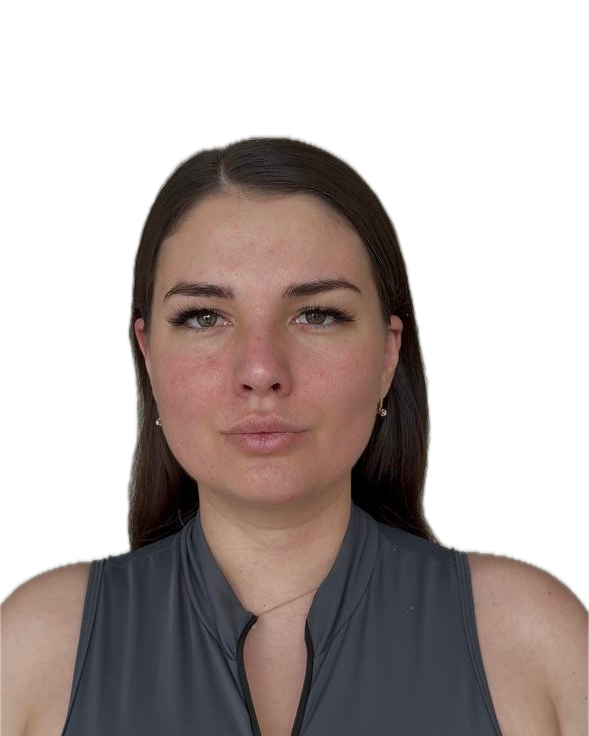
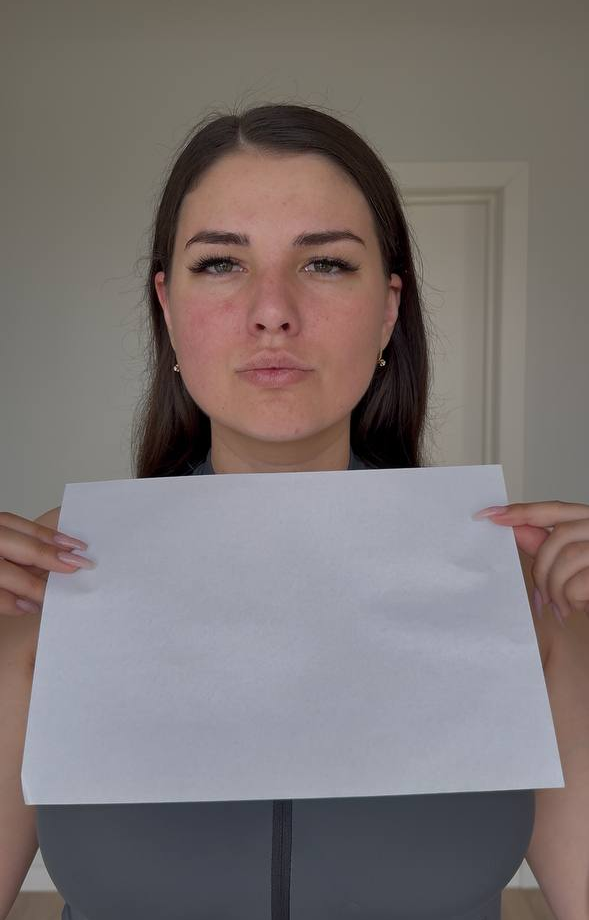
Your appearance rests on two principles. Composure gives high symmetry, a straight, clean-cut nose, even brows with a slight lift and a noticeable narrowing of the face from the cheekbones to the chin. Gentle softness gives a rounded nose tip, a slightly heavy eyelid and a calm, softly defined lower lip. Your gaze combines softness and composure.
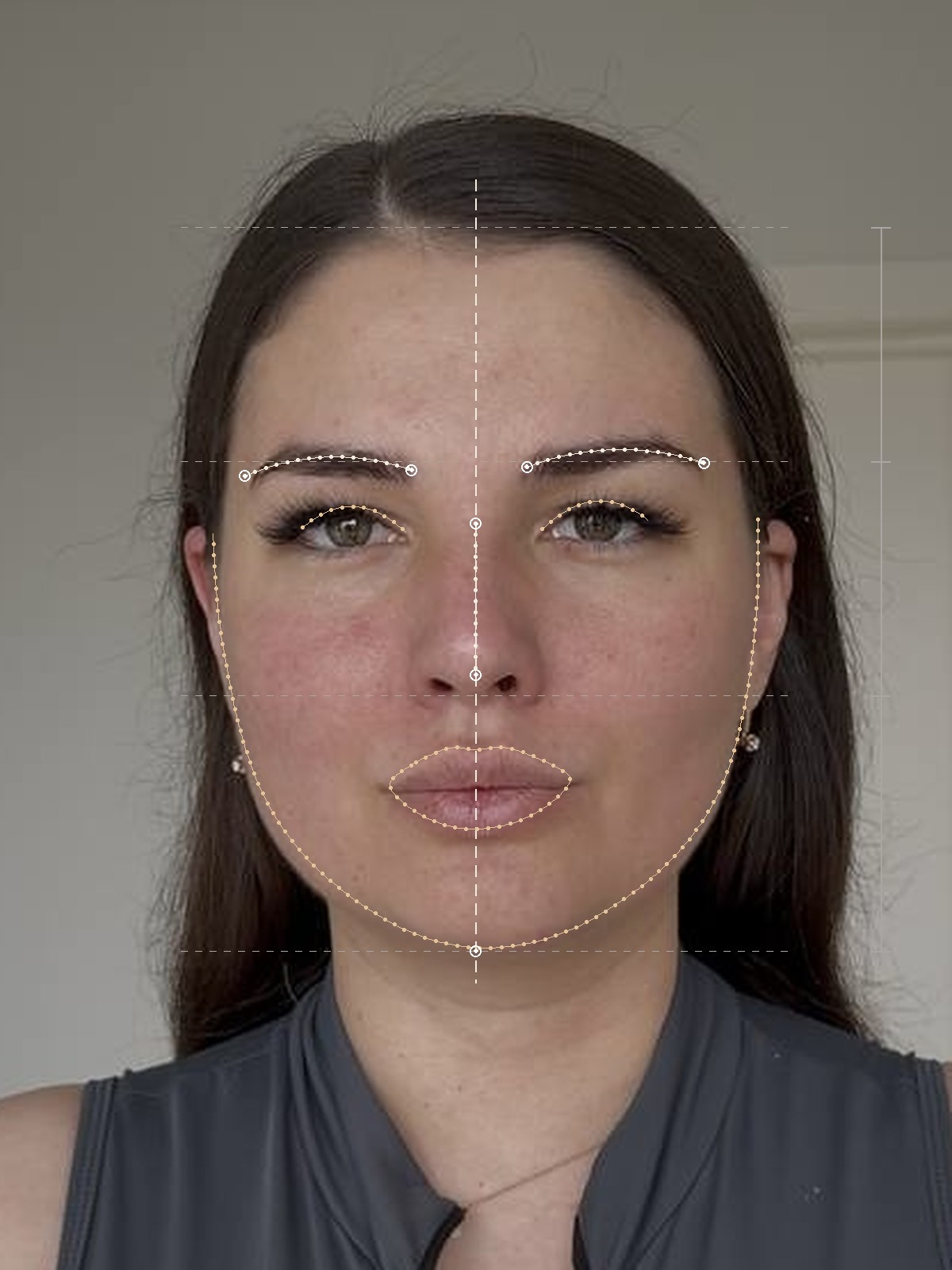
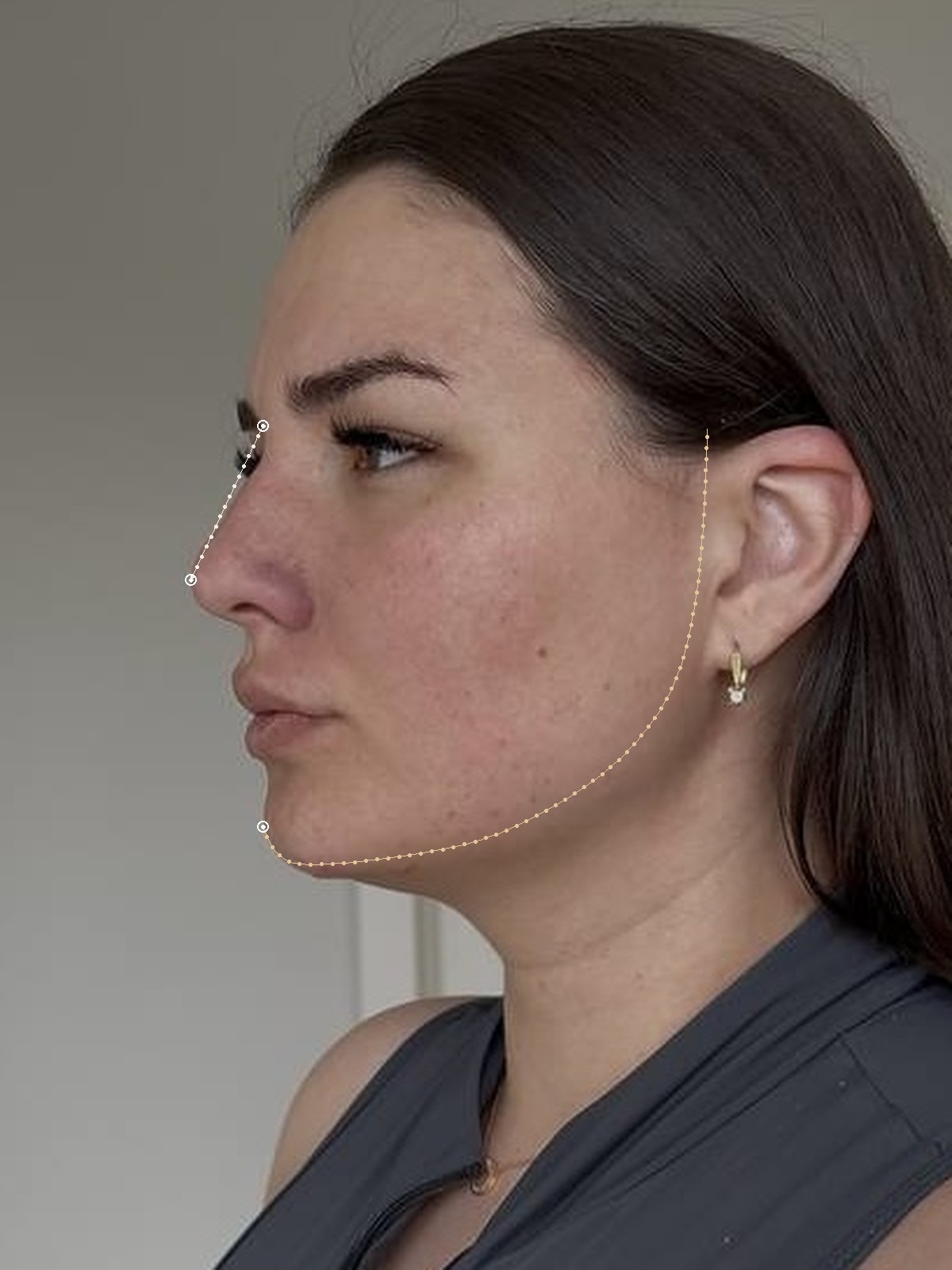
ComposureFacial symmetry, a visible narrowing from cheekbones to chin, gently sloping brows with a slight rise, a straight even nose bridge.
Gentle softnessA heavy lid, a soft upper lip line, volume in the lower face, a rounded nose tip.
The atmosphere of the style
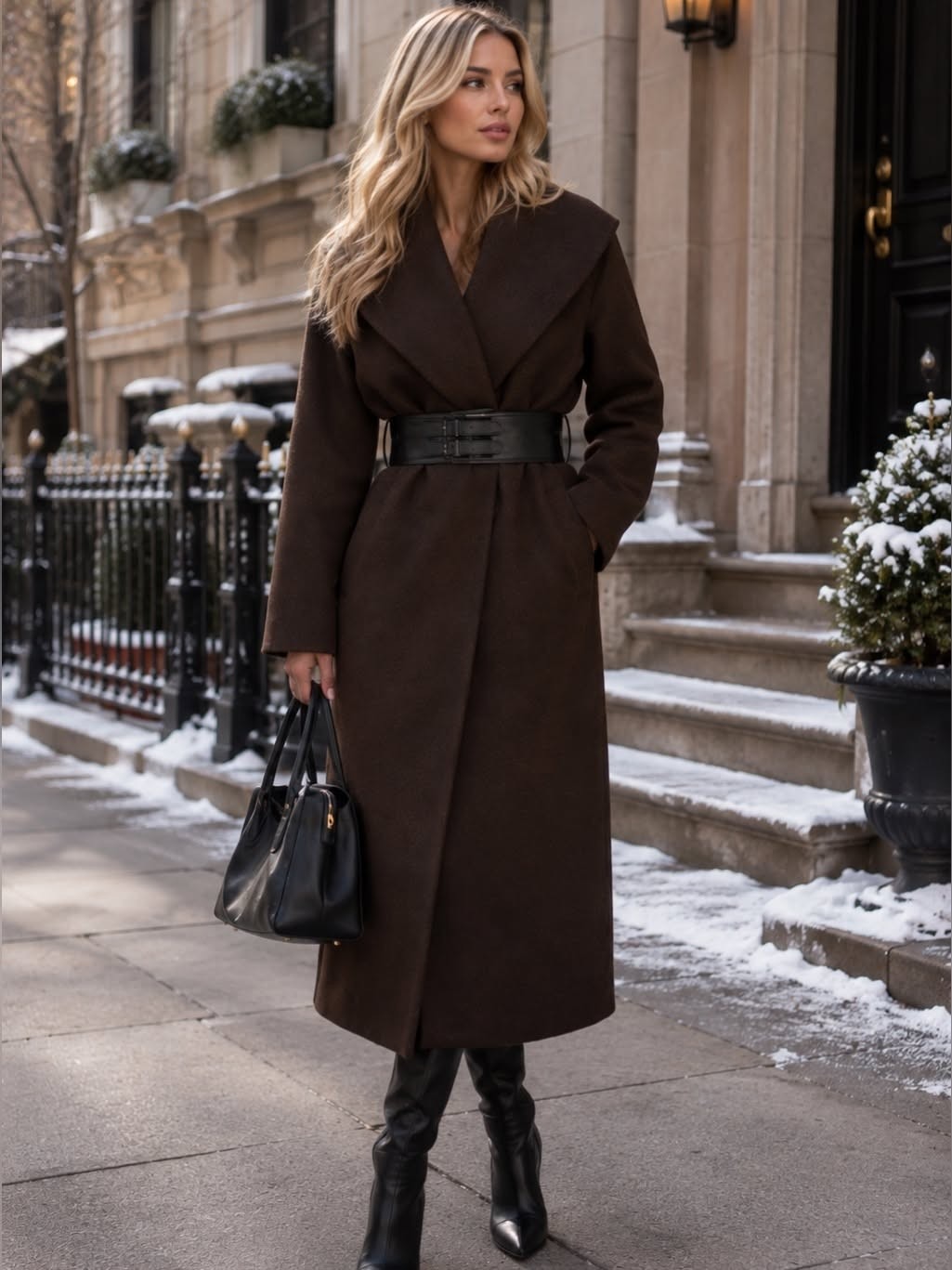
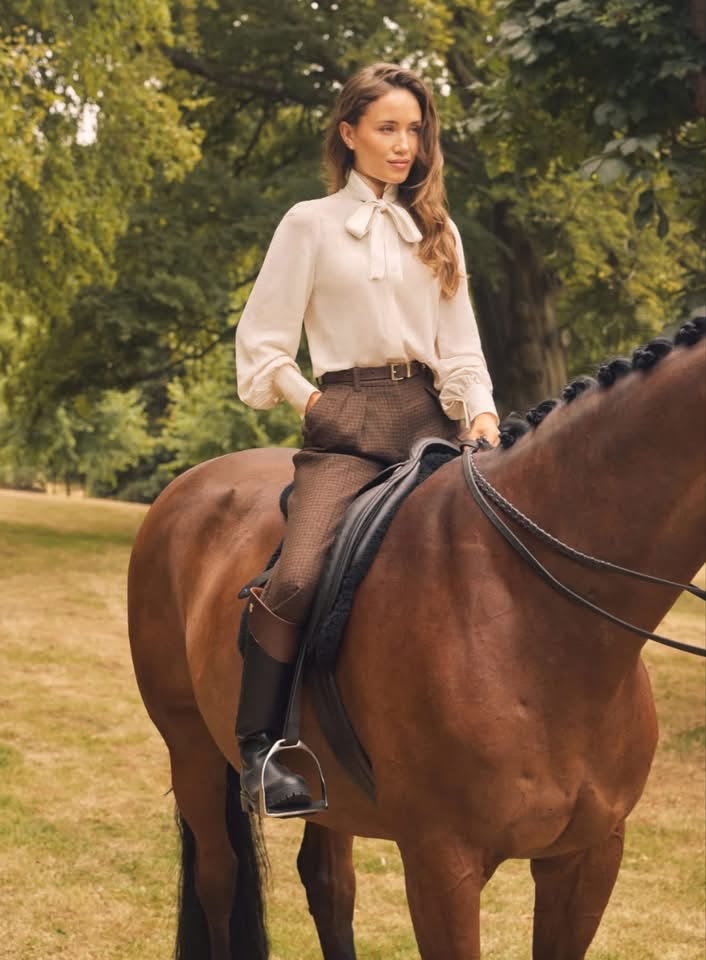
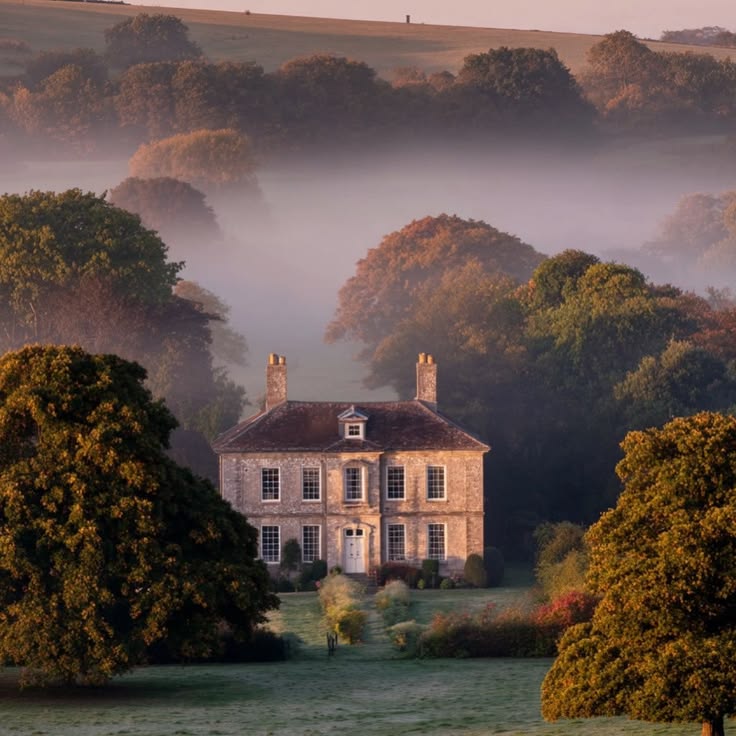
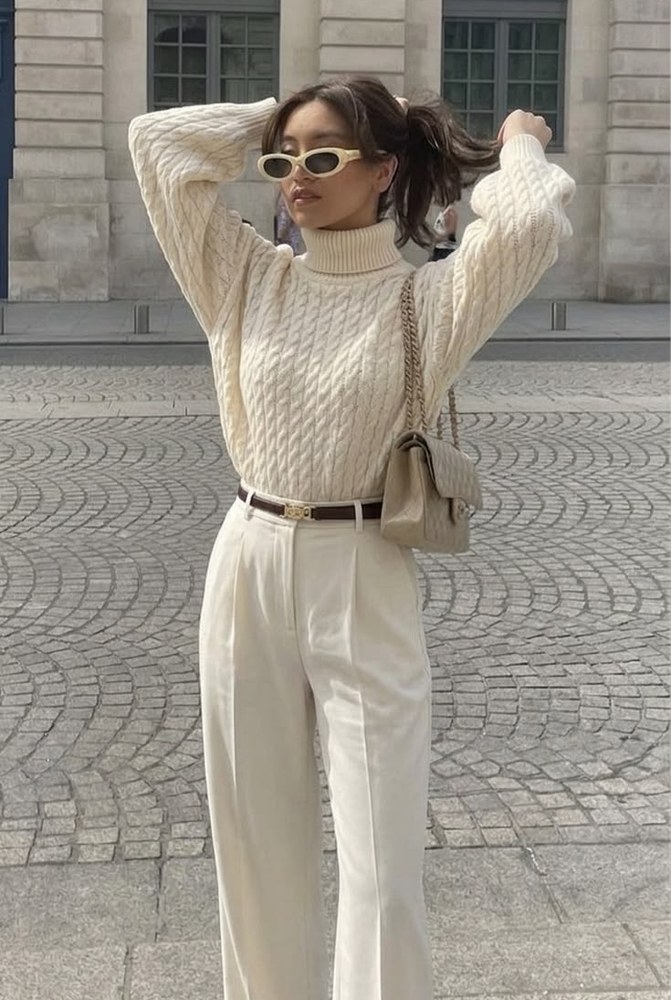
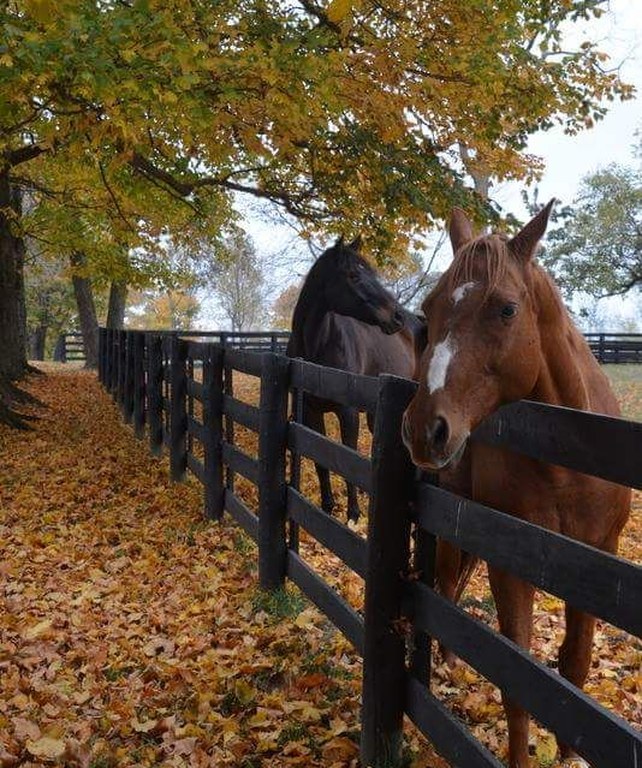
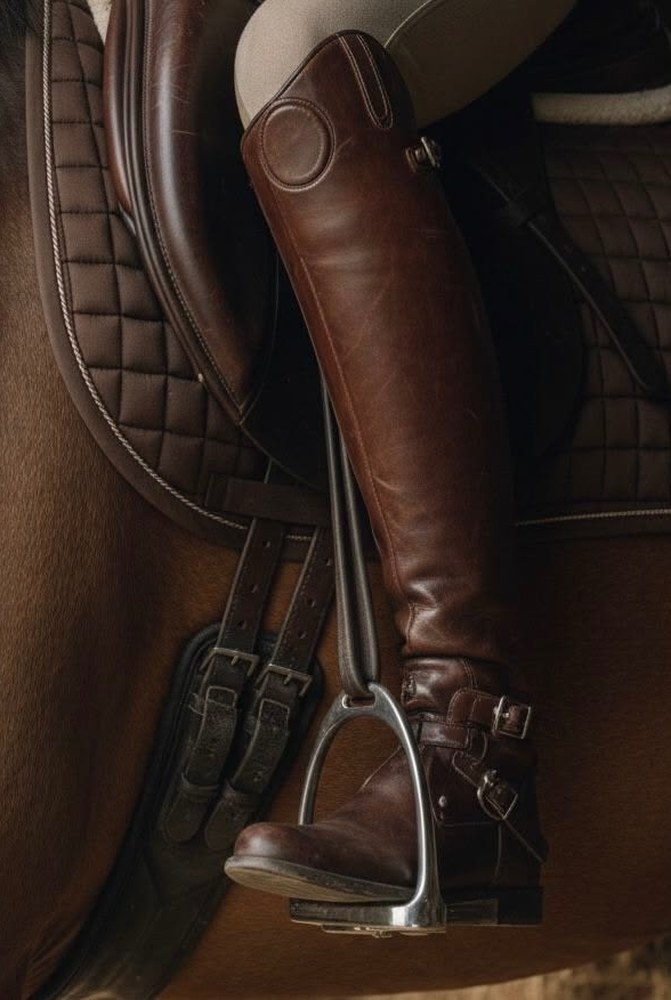
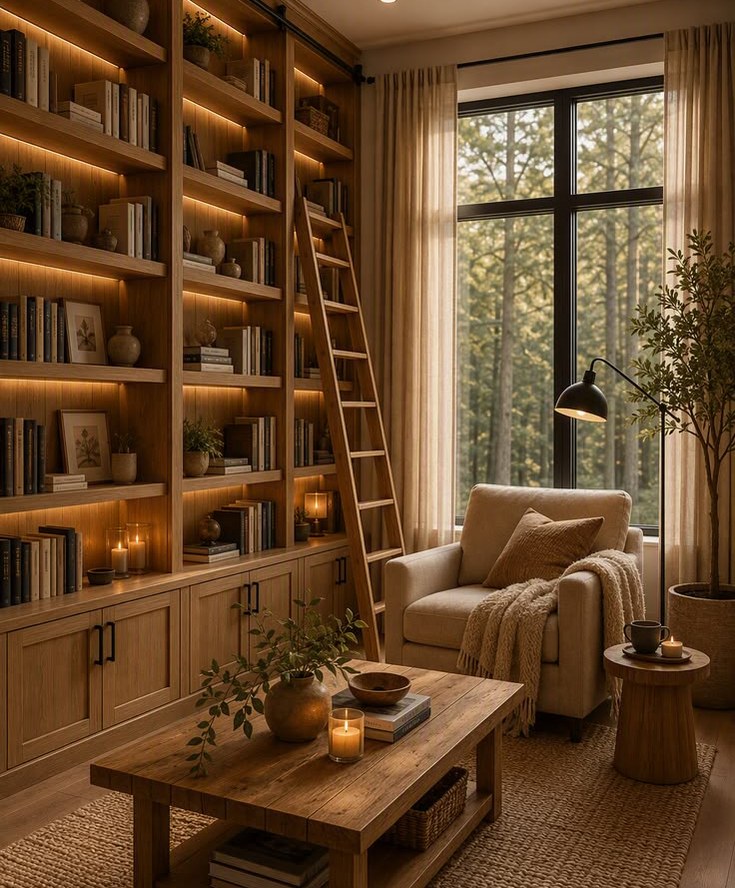
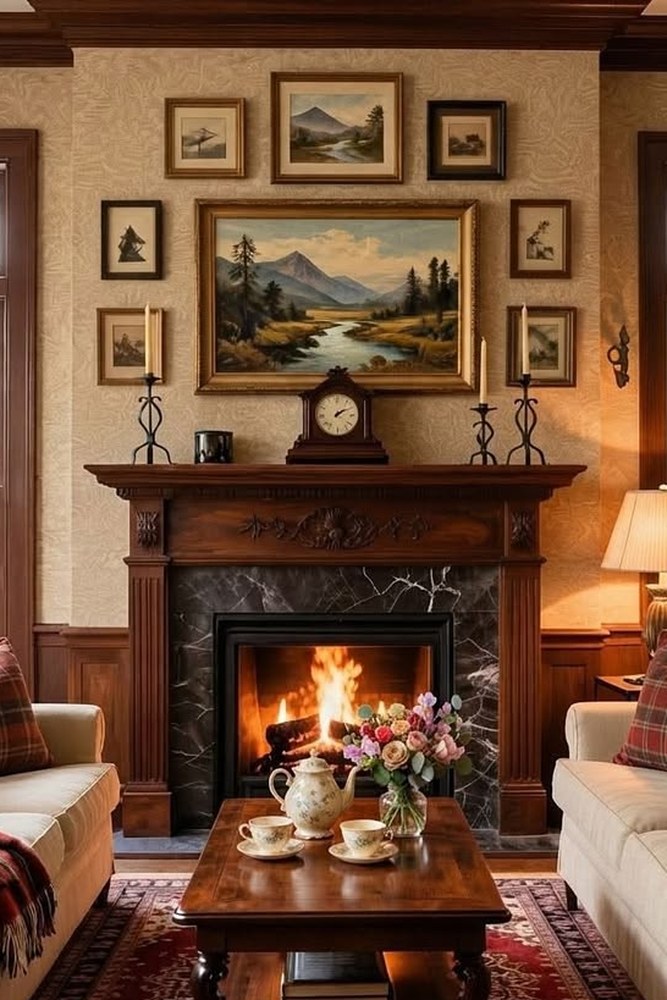
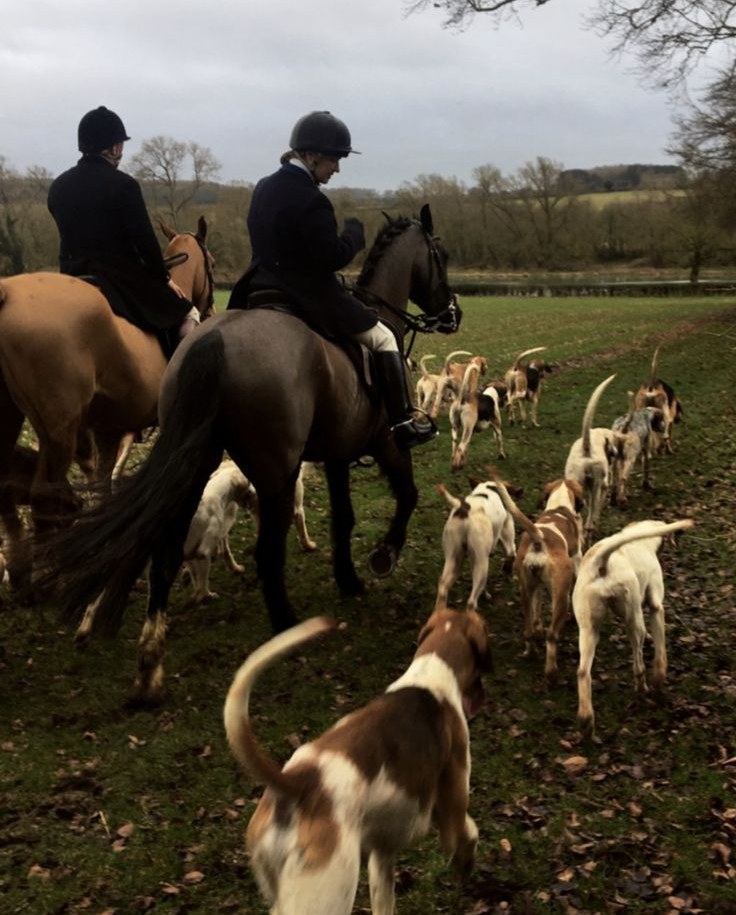
A harmony of strict geometry and natural softness shapes an effortless yet truly well-bred style. This look refers to life on the old family estates of Great Britain: horseback rides, the country leisure of high society and unhurried hours by the fireplace.
The heroine of this type reads as a pupil of an exclusive private school: educated, elegant, with impeccable taste and manners, yet open, unaffected and light.
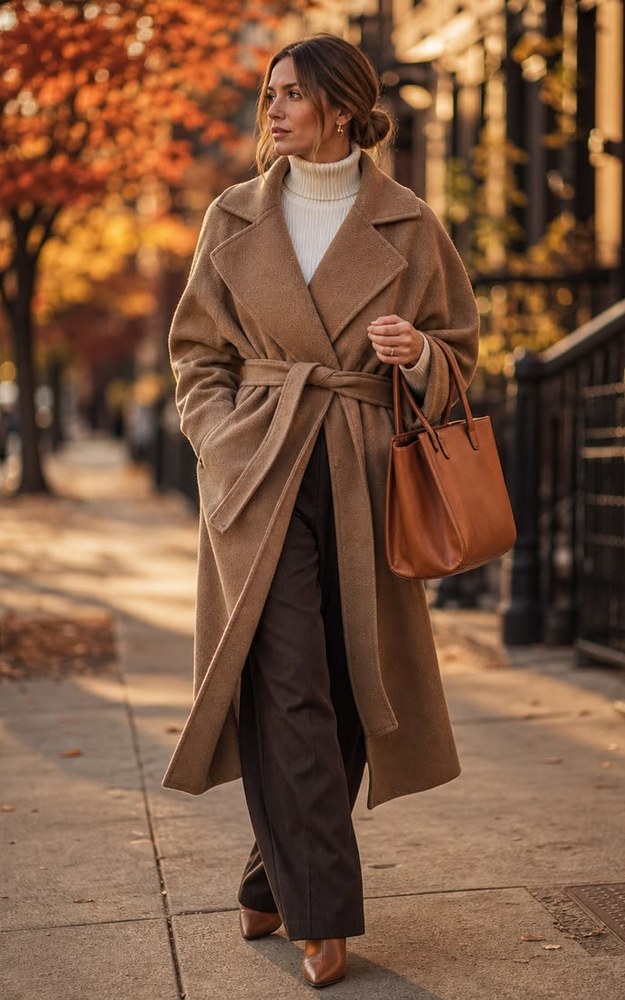
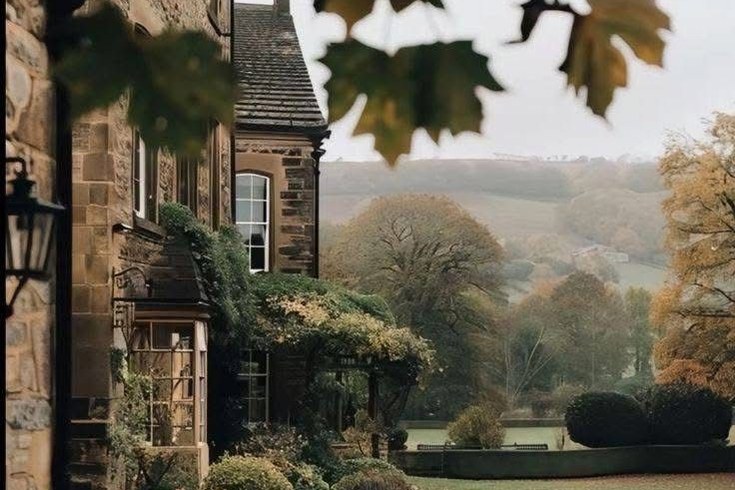
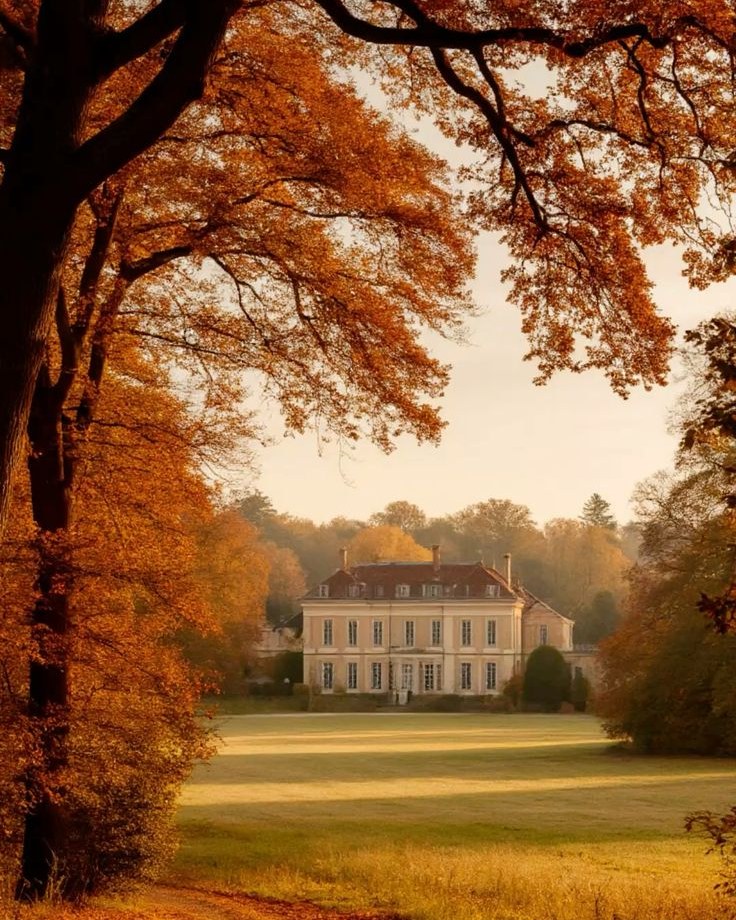
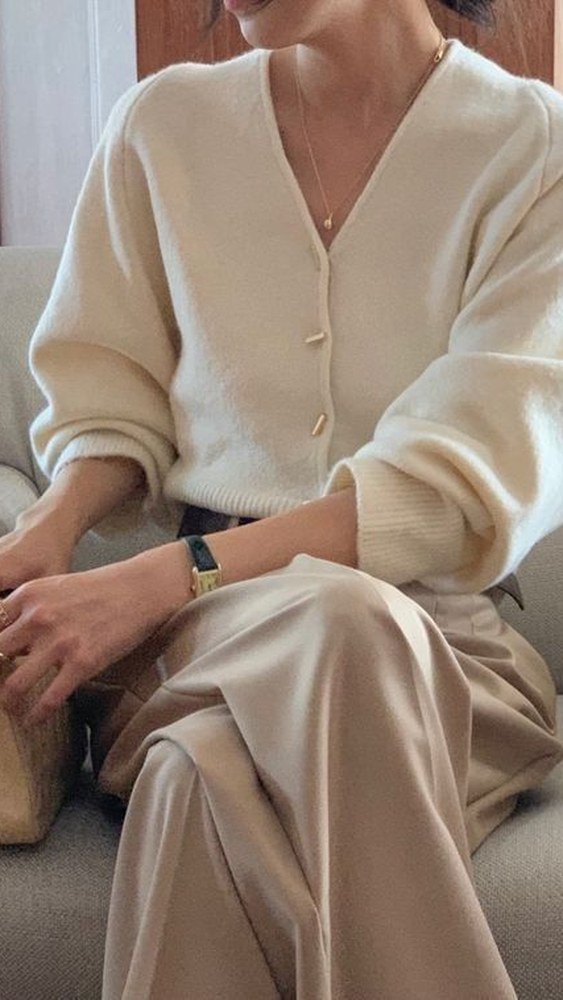
Wardrobe of the Gentlewoman type
Colours
The palette of this type is very inviting and calm, full of restrained natural shades. There are no loud colours here. The palette brings together two directions: calm, restrained tones and natural shades. Every tone is of medium saturation, from medium-light to medium-dark.
These colours reflect the character of the noble type. Your personal colouring, however, may differ from the palette of this type. In that case, always follow your natural colouring: it shows which shades look best next to your face. And the colours of the type that don't match your colouring can be freely used in accessories and in the lower part of an outfit.
Fabrics and prints
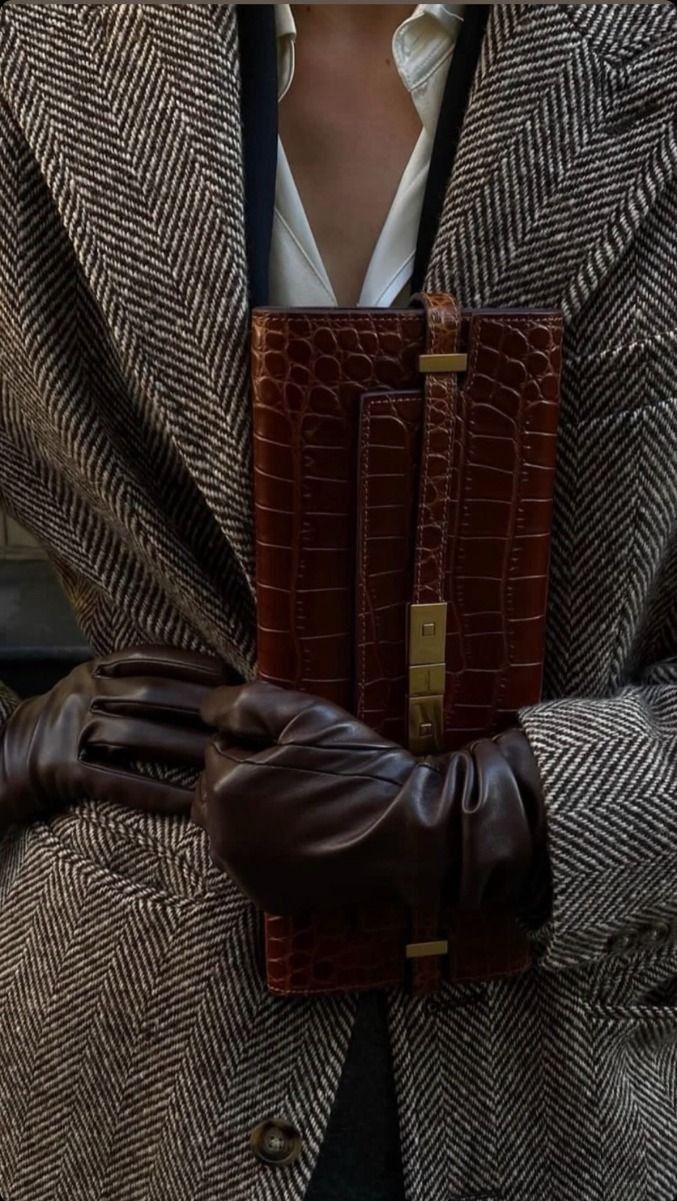
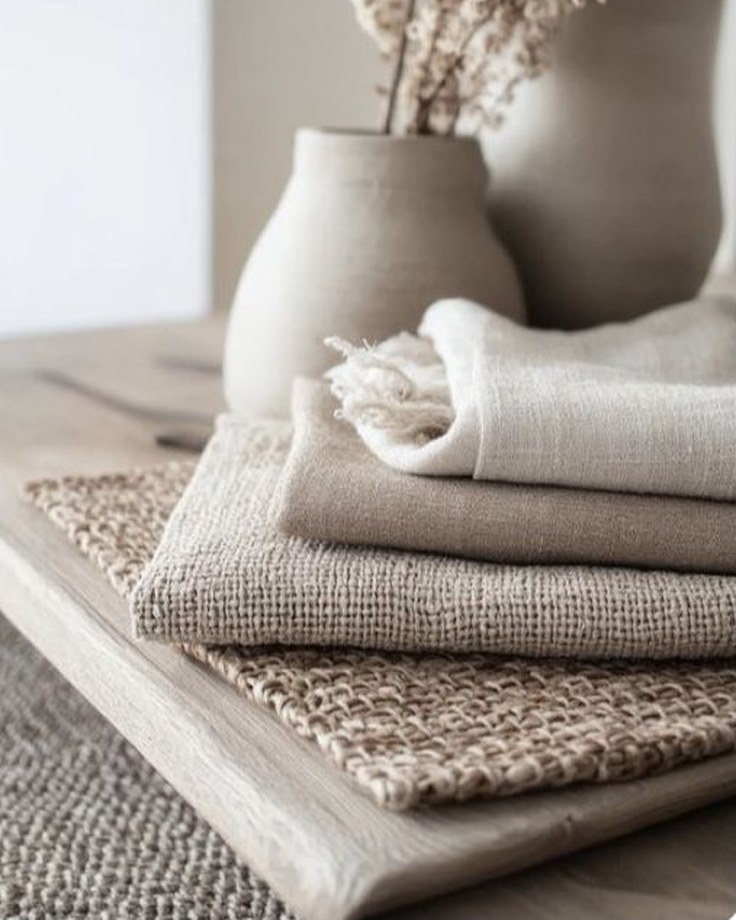
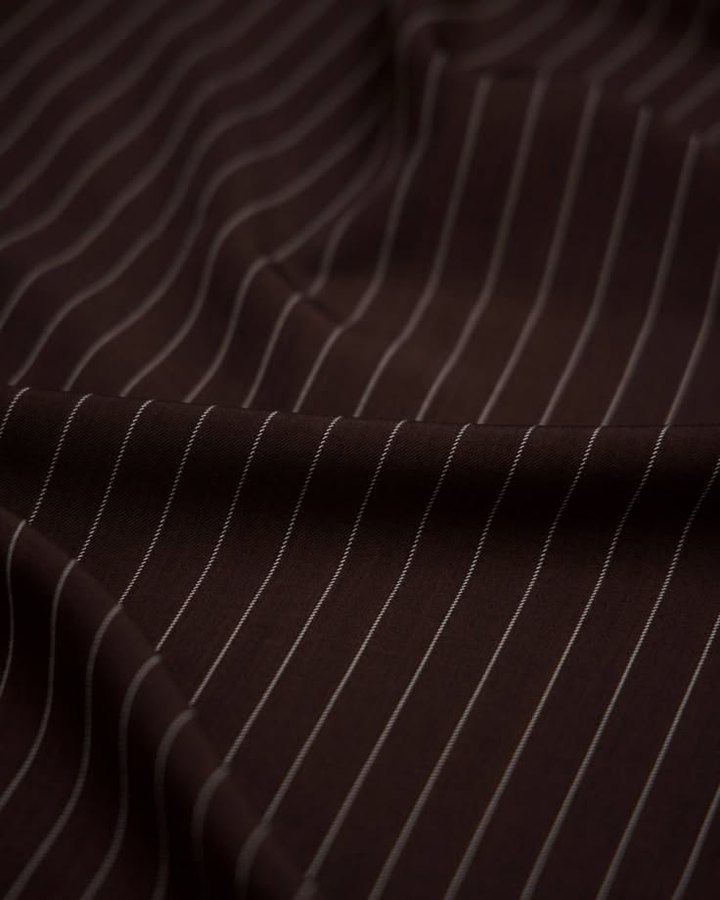
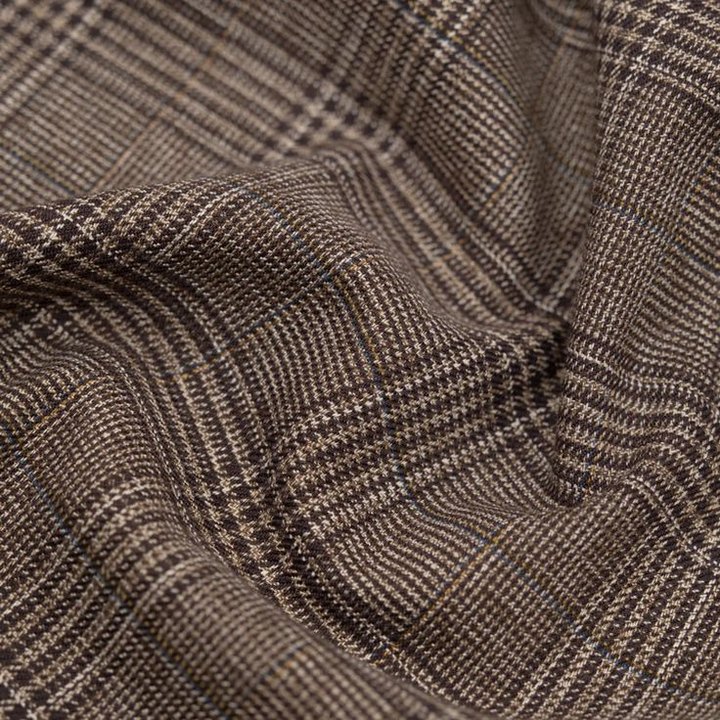
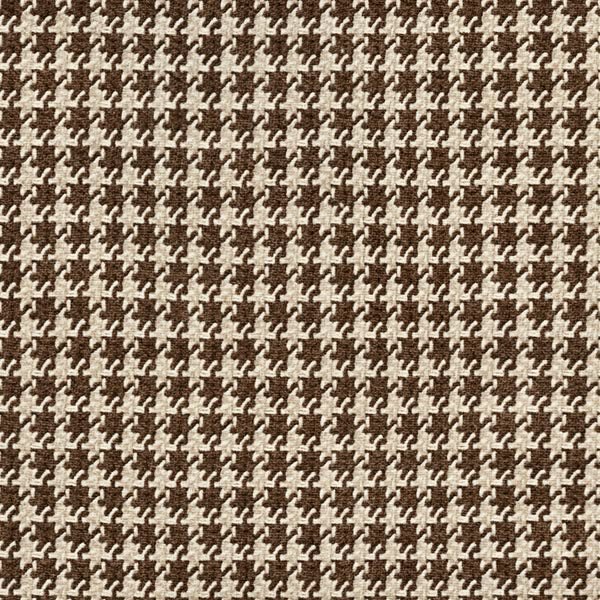
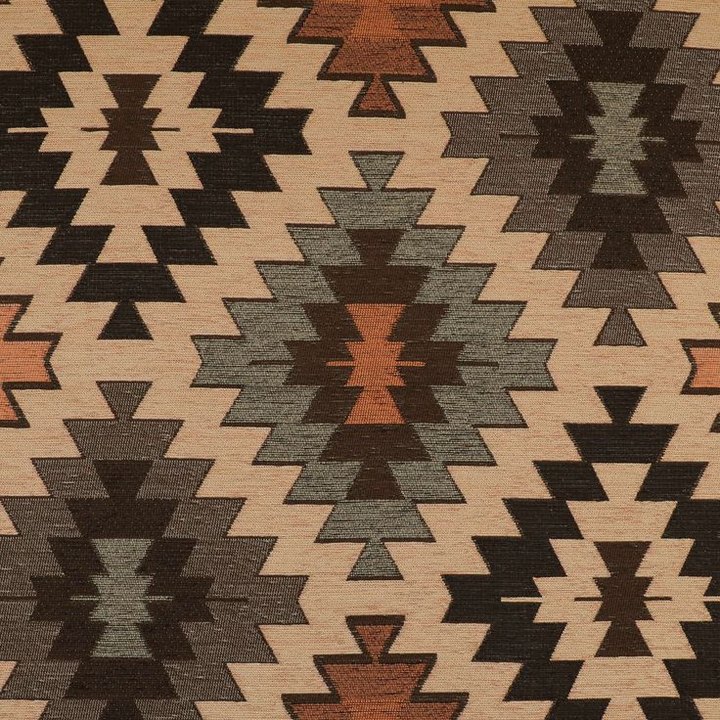
The foundation of this type's wardrobe is tweed, cashmere and linen. Suiting fabrics, wool, cotton, knitwear, denim, suede and leather join them. All these fabrics are comfortable: some hold their shape well, others are softer.
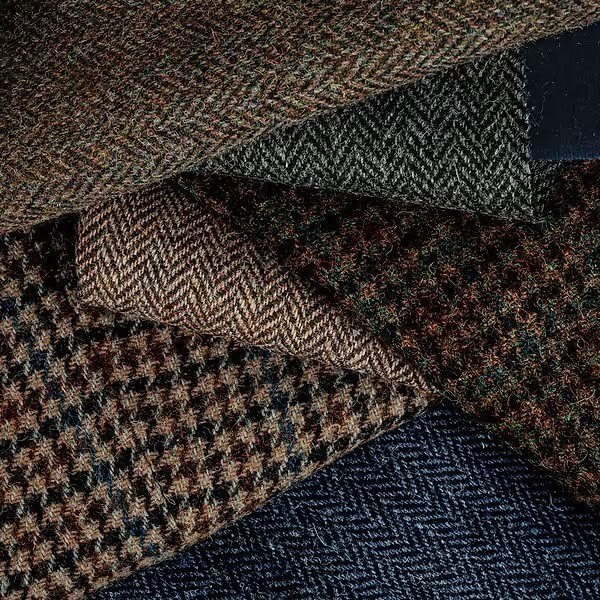
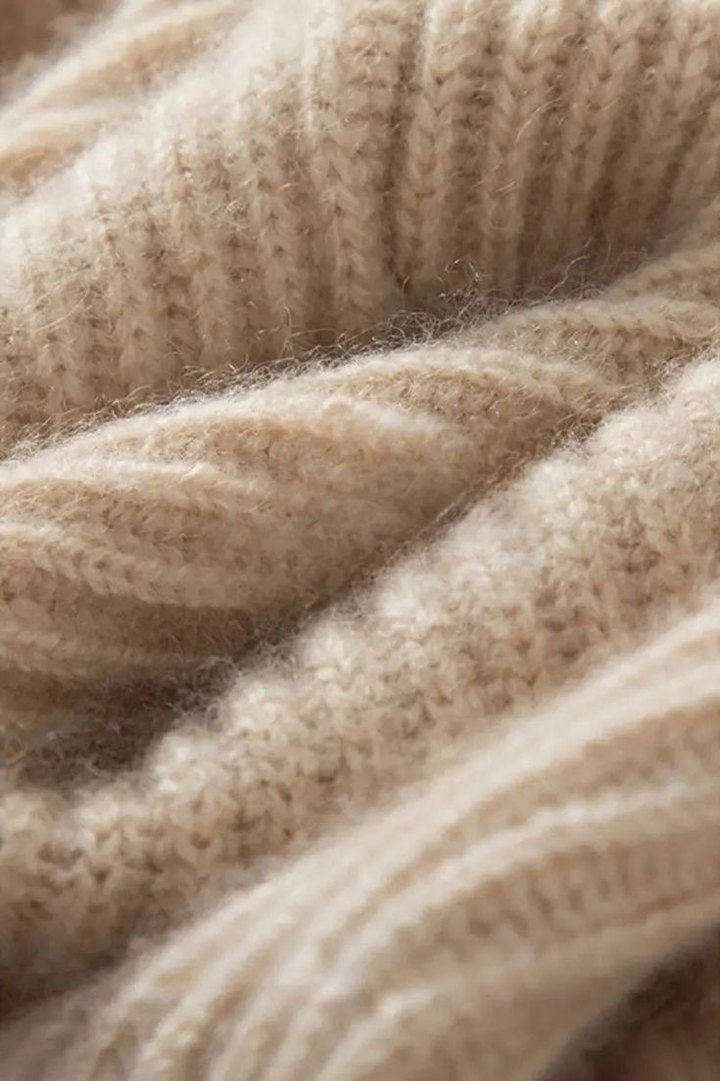
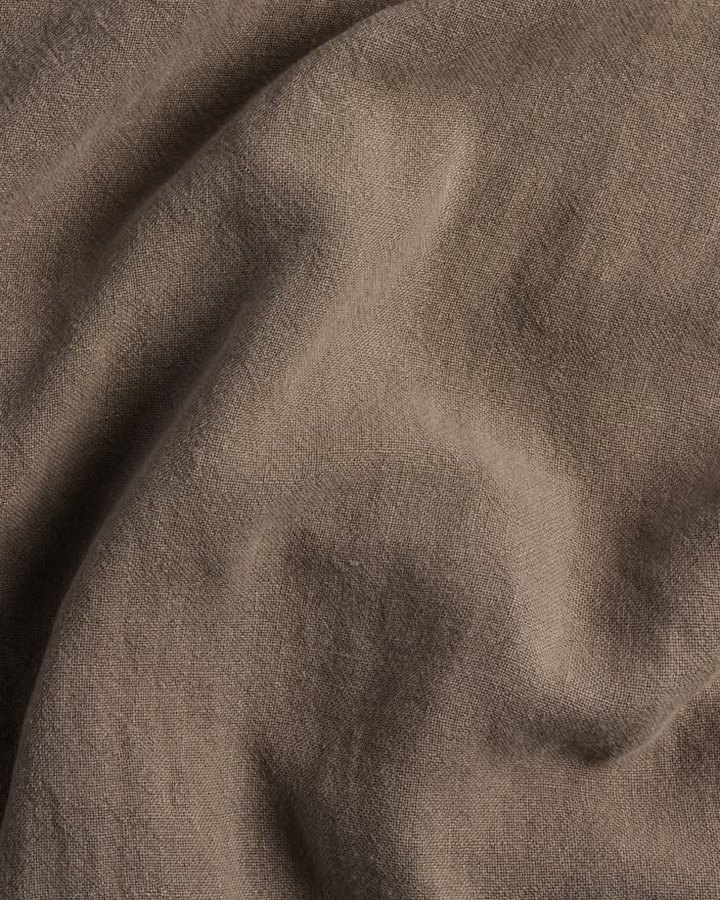
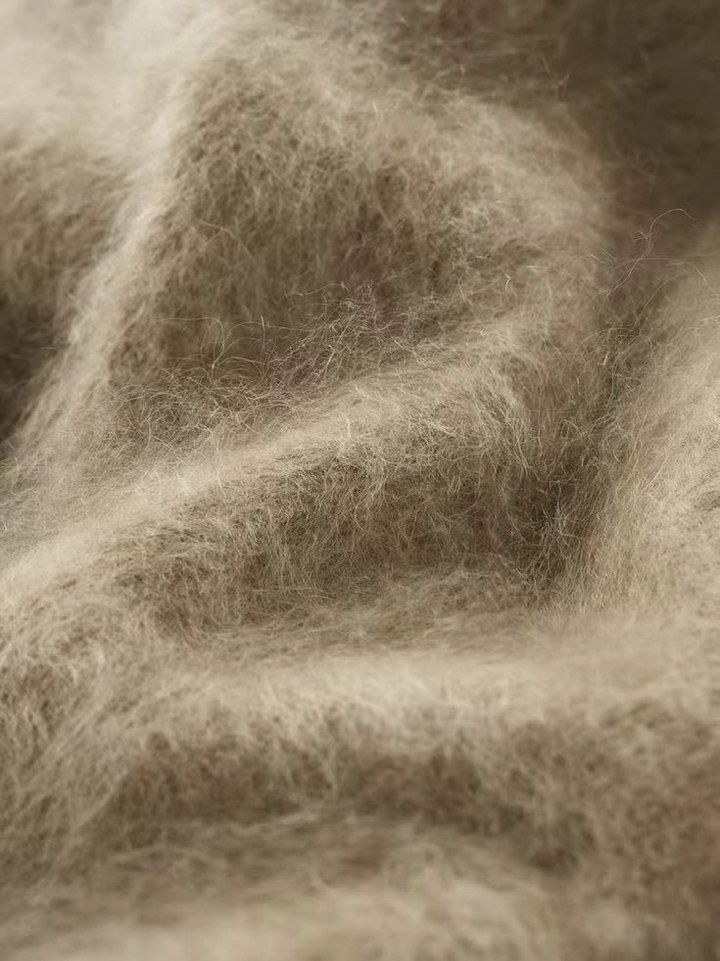
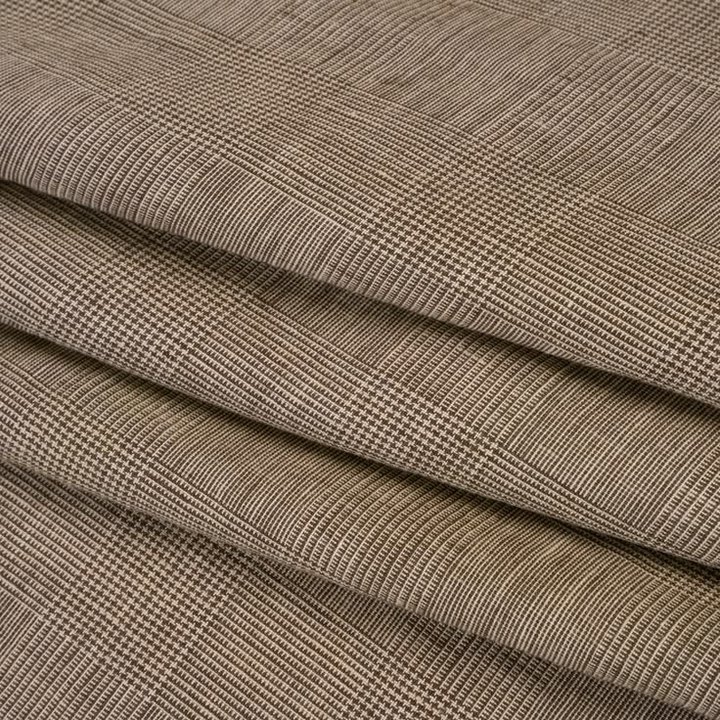
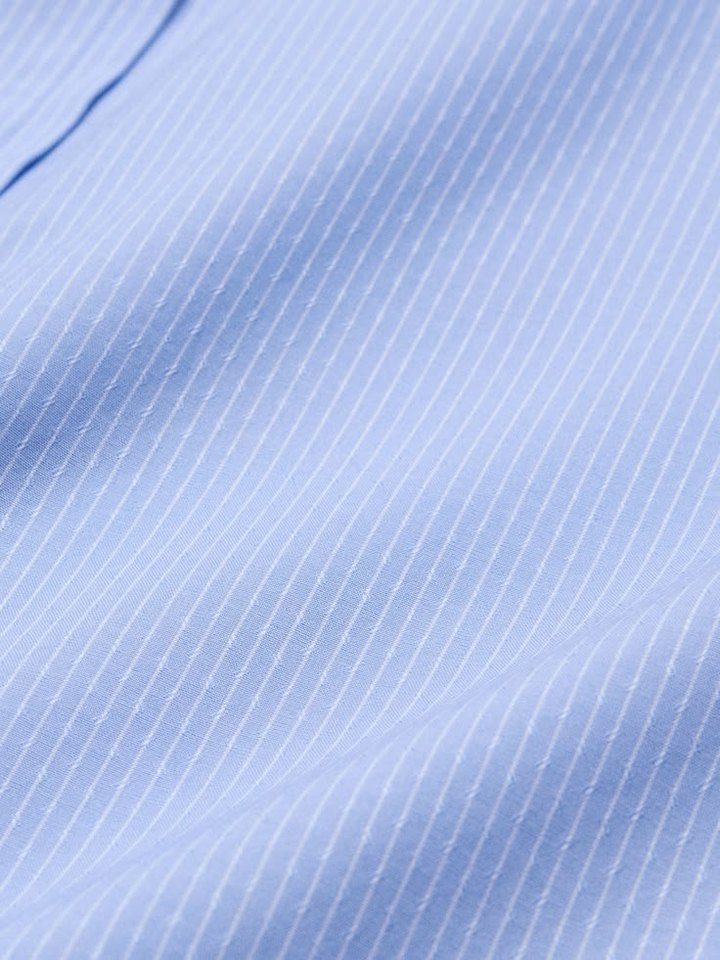
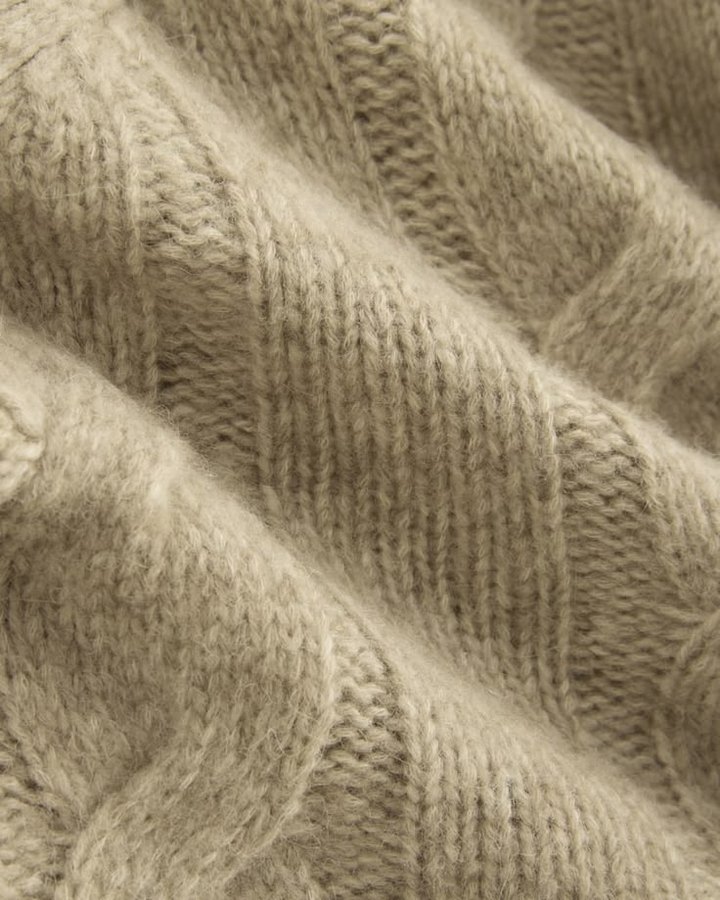
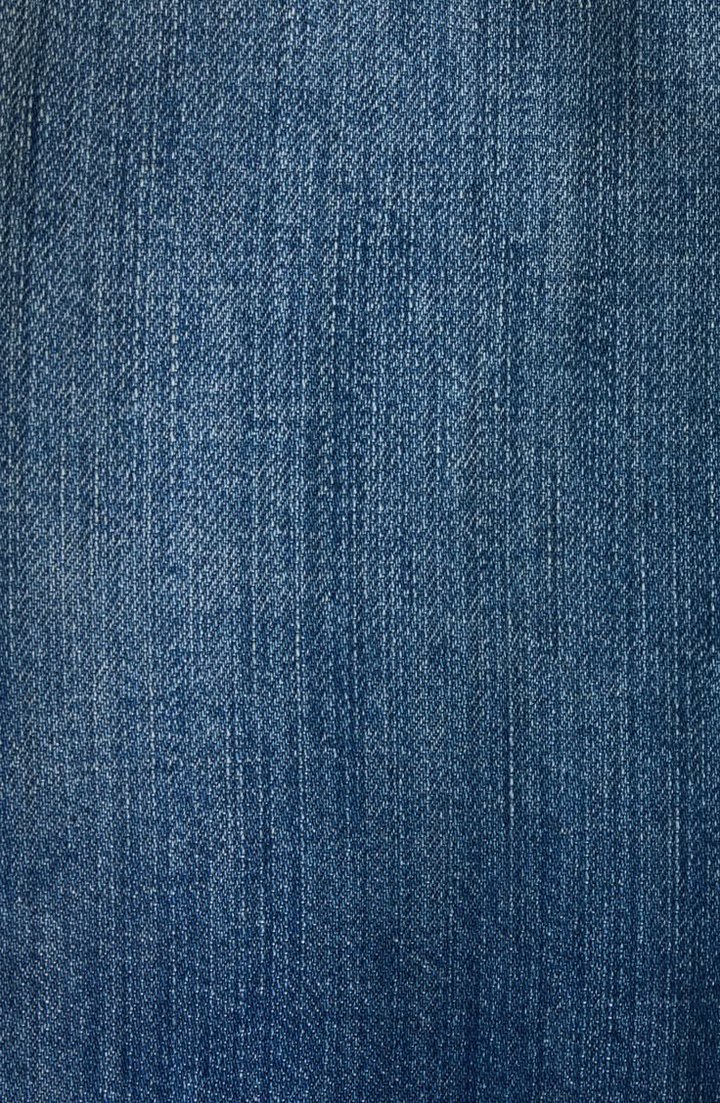
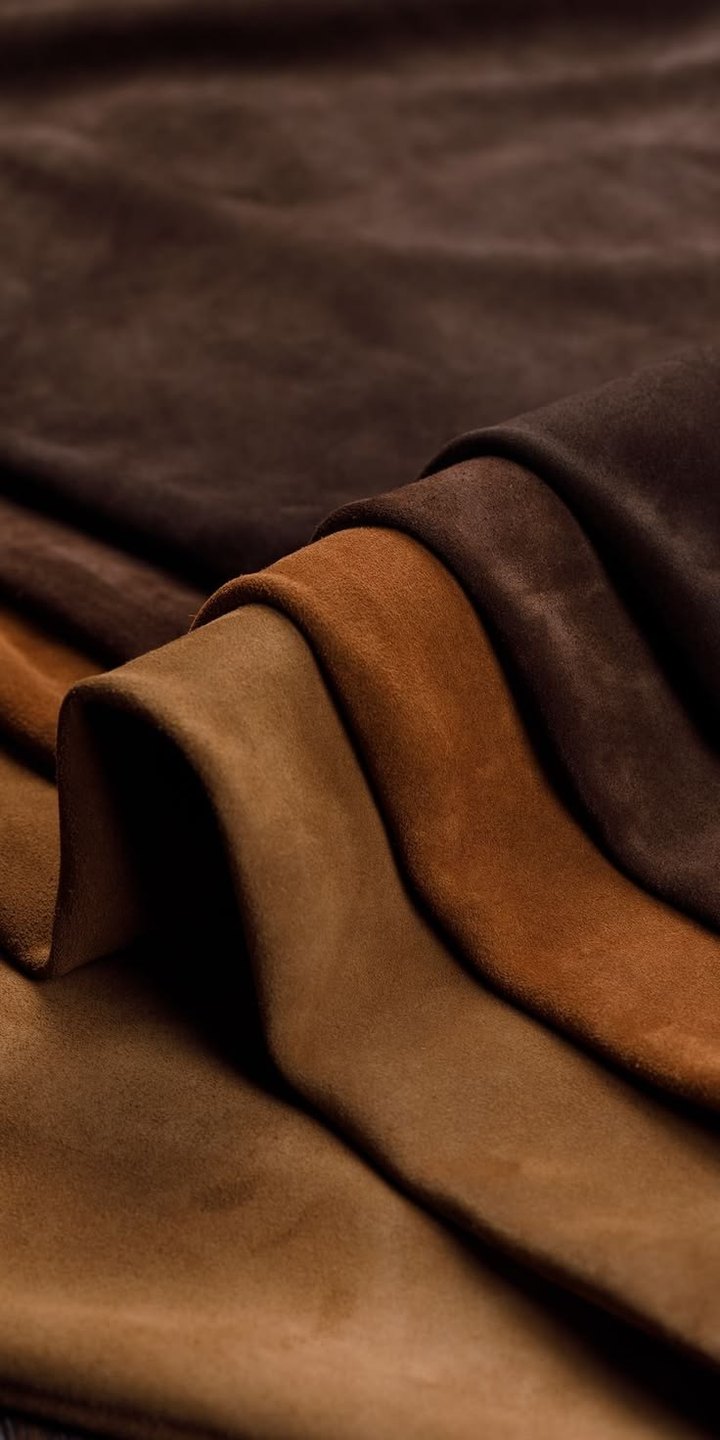
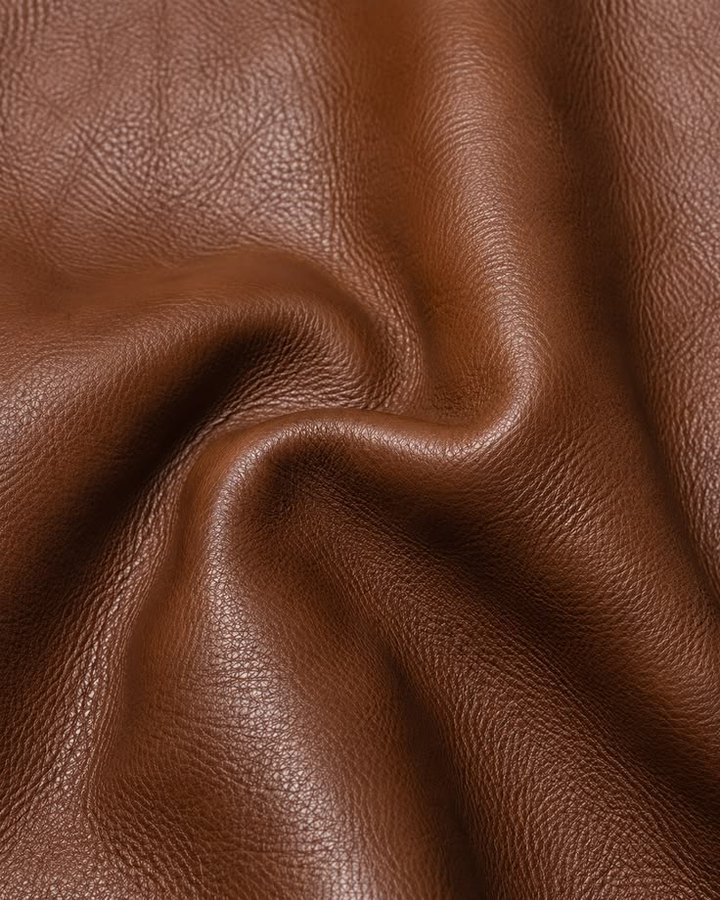
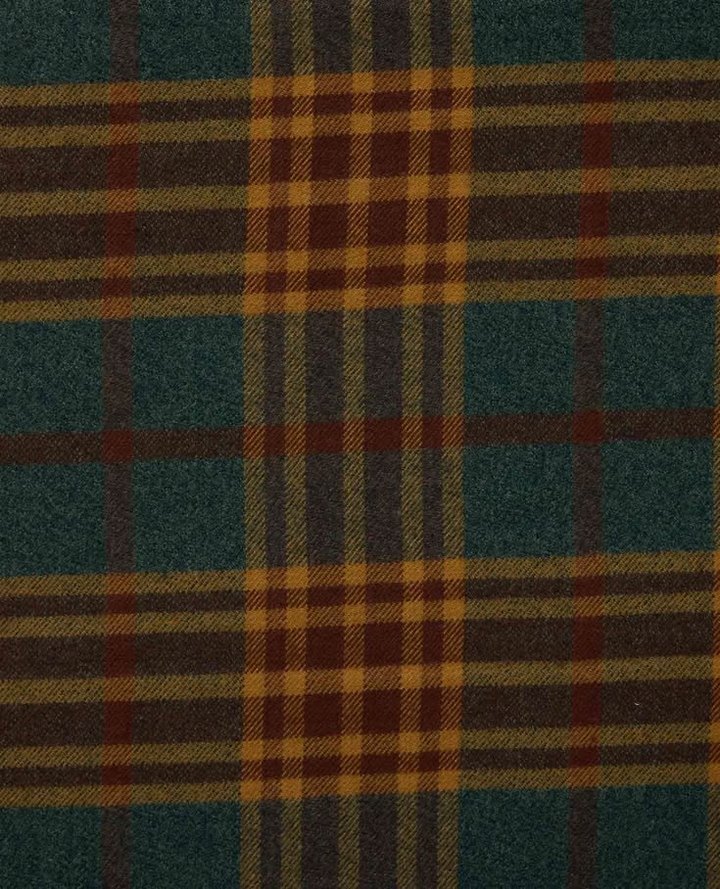
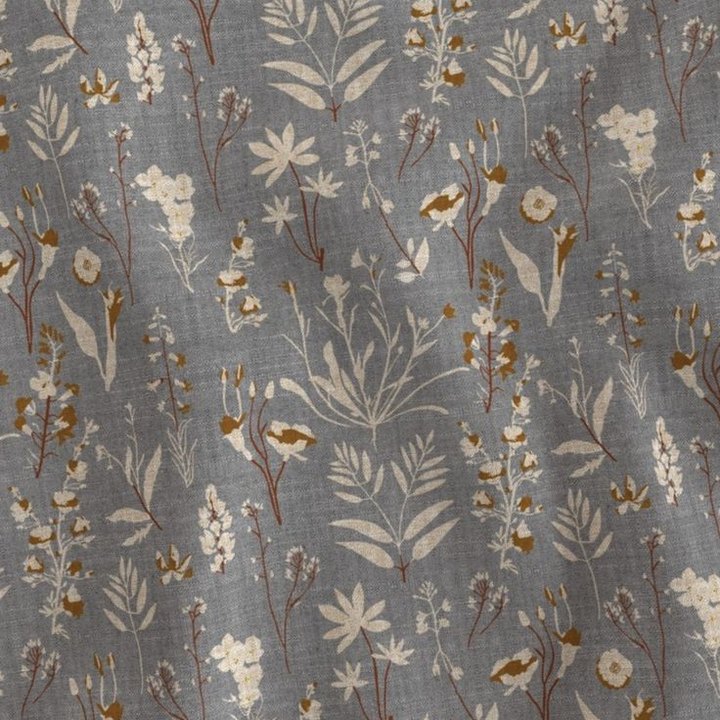
The key print of this type is tartan. A crisp stripe, a check, a geometric print, an ethnic ornament and a simple botanical print also work. Prints here are simple, mostly geometric.
Cut
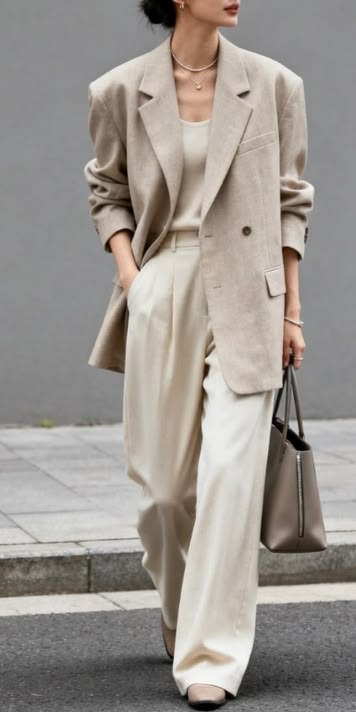
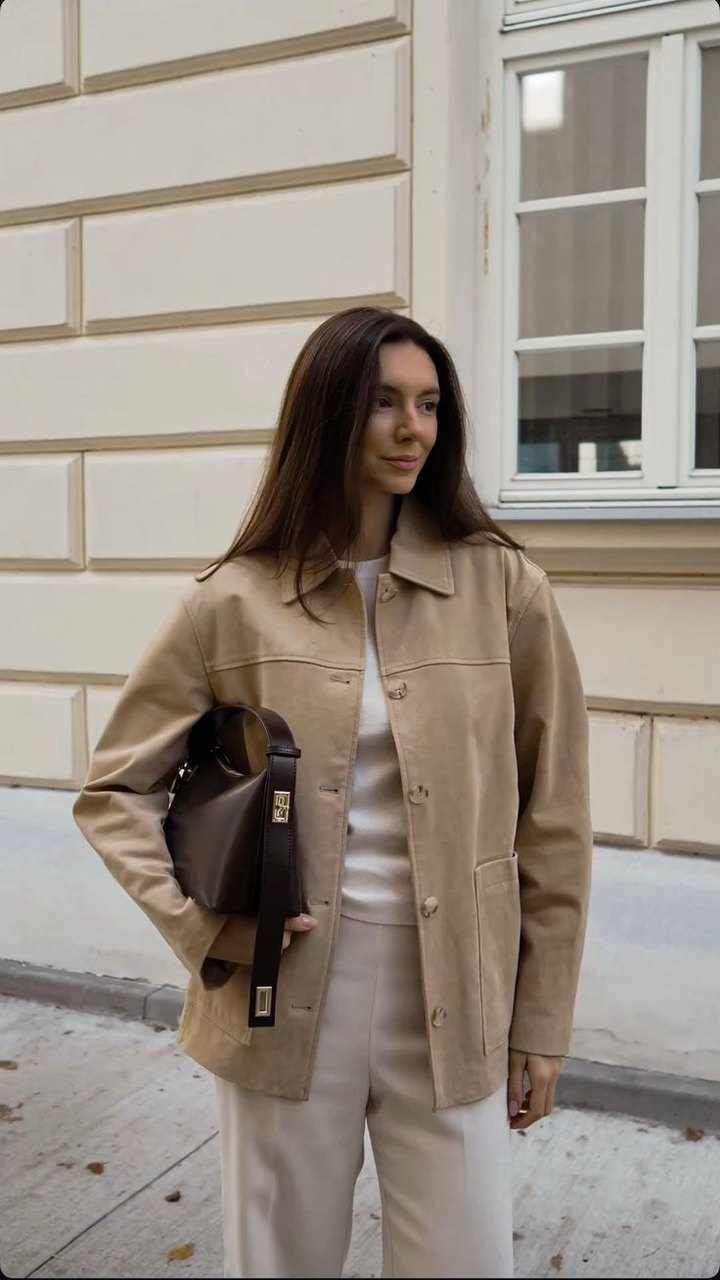
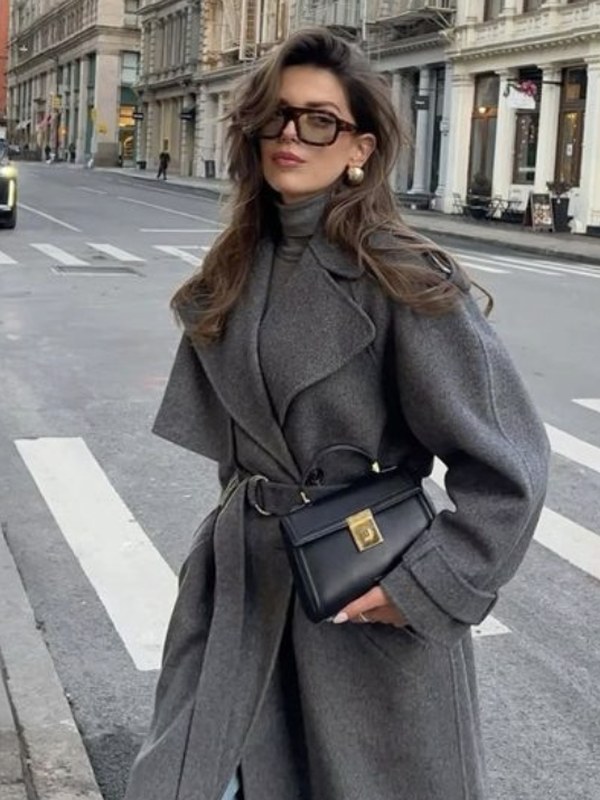
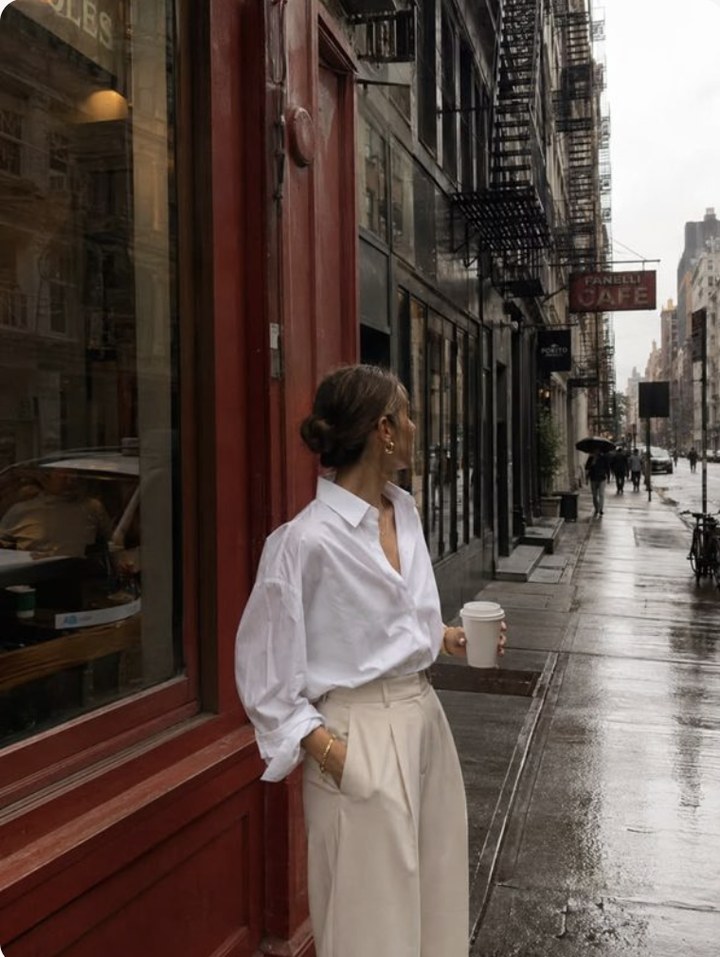
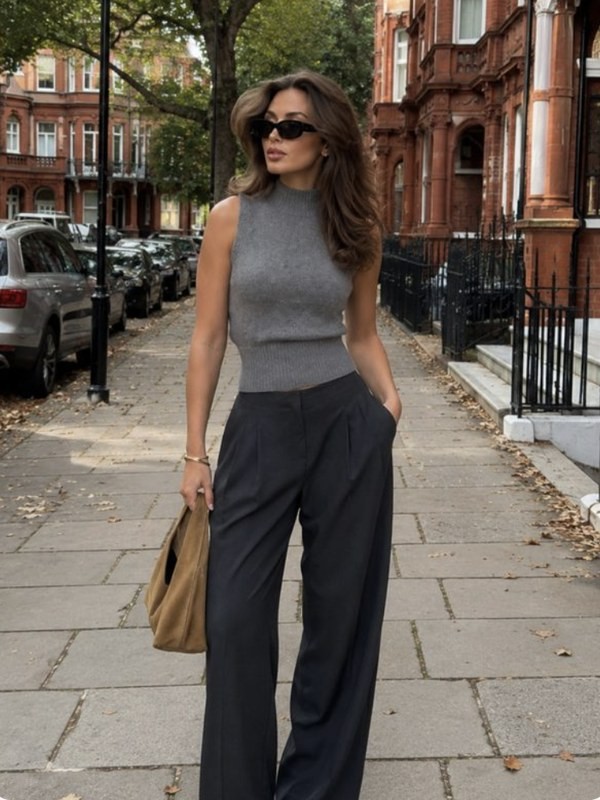
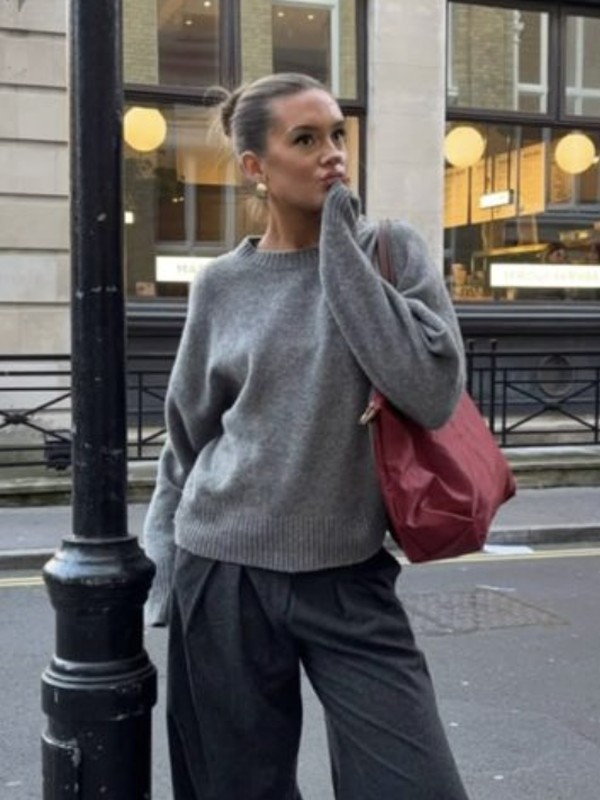
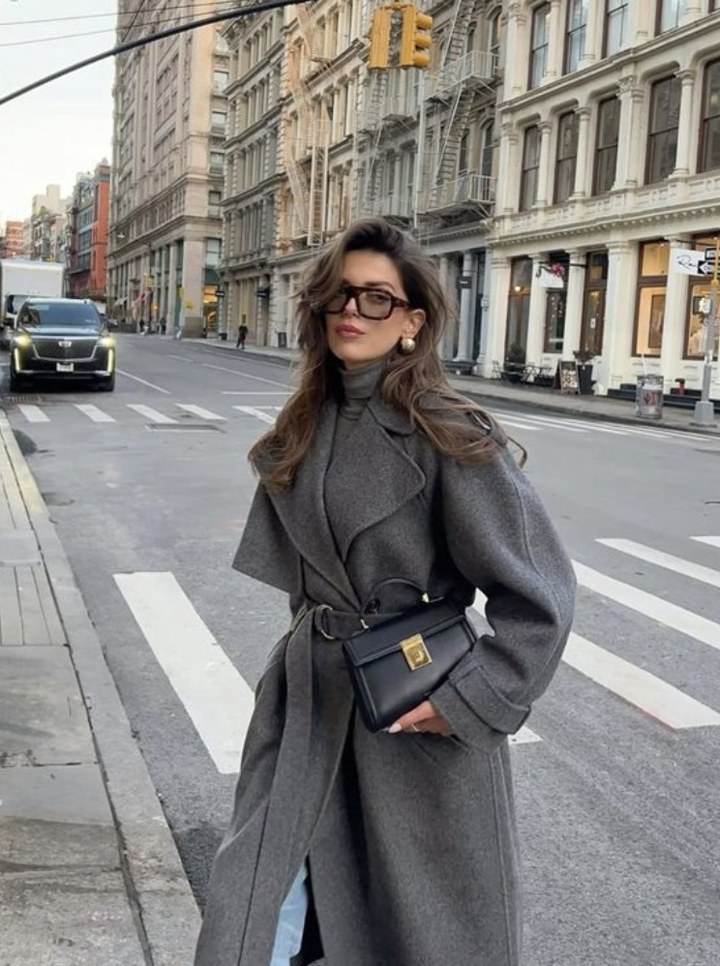
The cut for this type rests on the classics: clear lines, calm proportions, a minimum of detail. Yet the clothes never constrain the figure; they sit relaxed and natural. That is the particular charm of this style, nonchalant elegance: the strictness of the form remains, the tension goes, and the look is composed yet effortless.
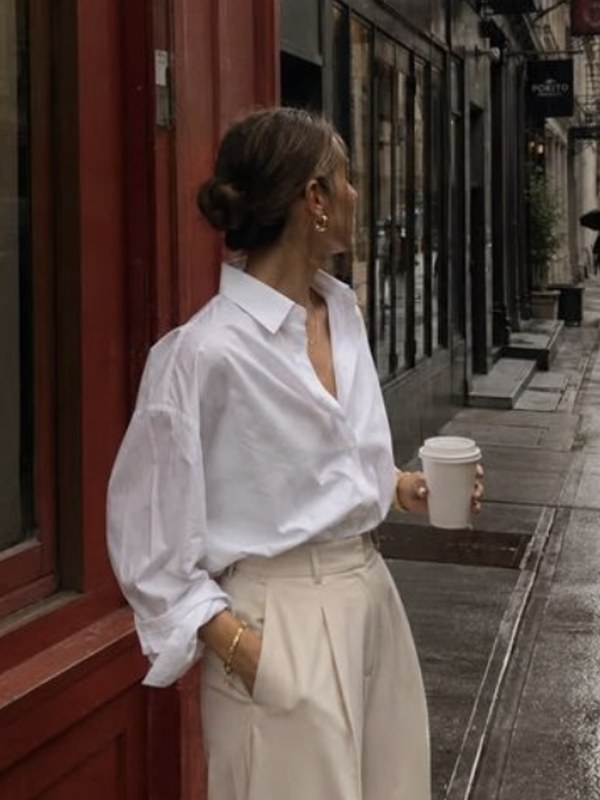
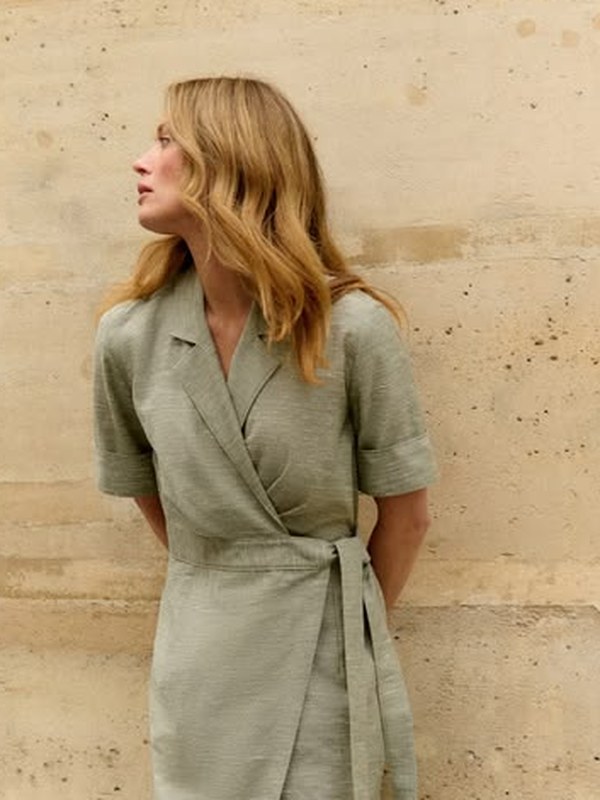
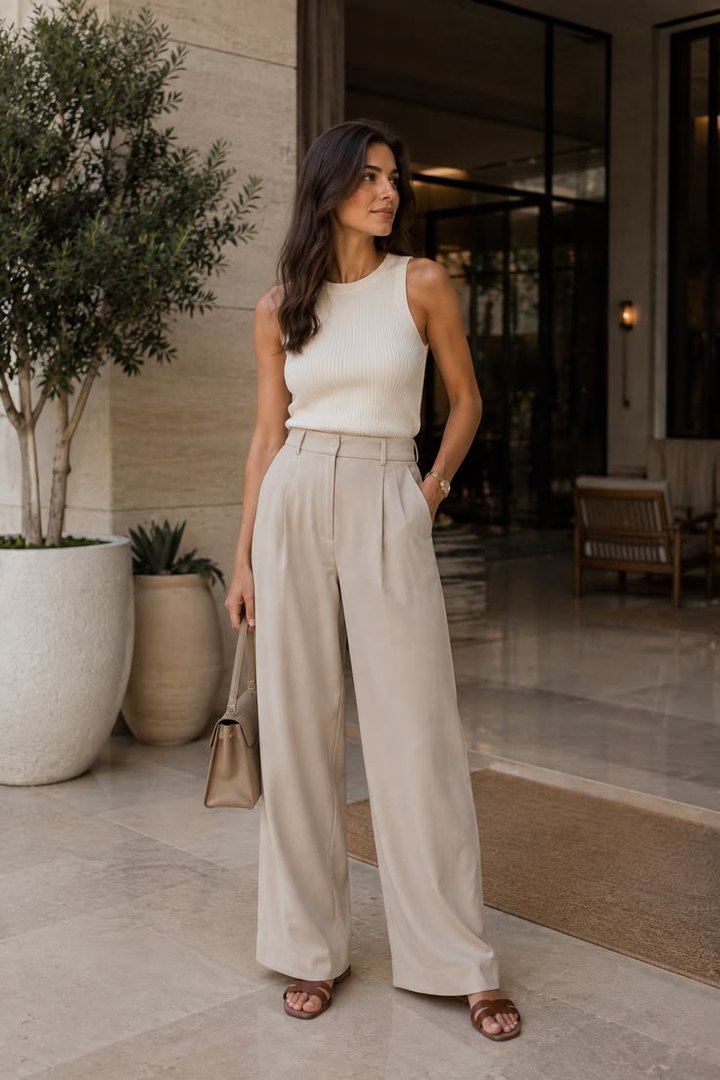
481 looks for the Gentlewoman type
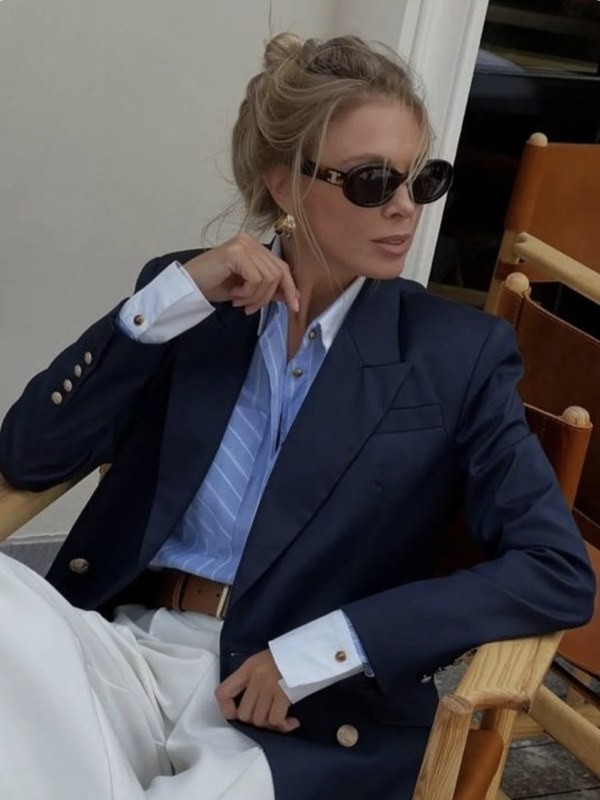
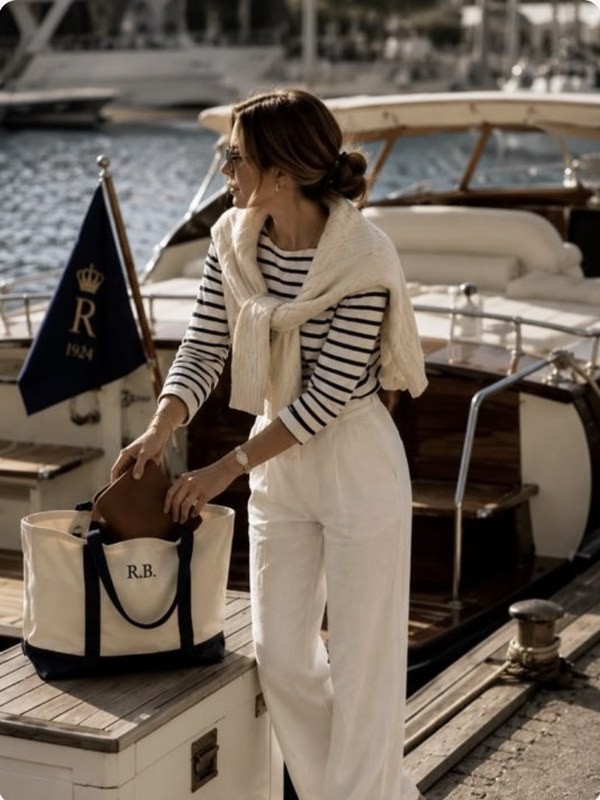
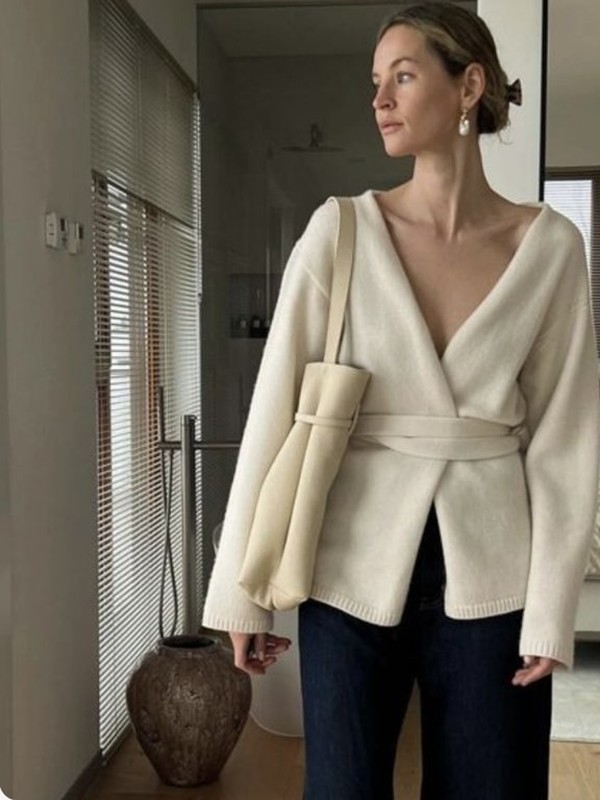
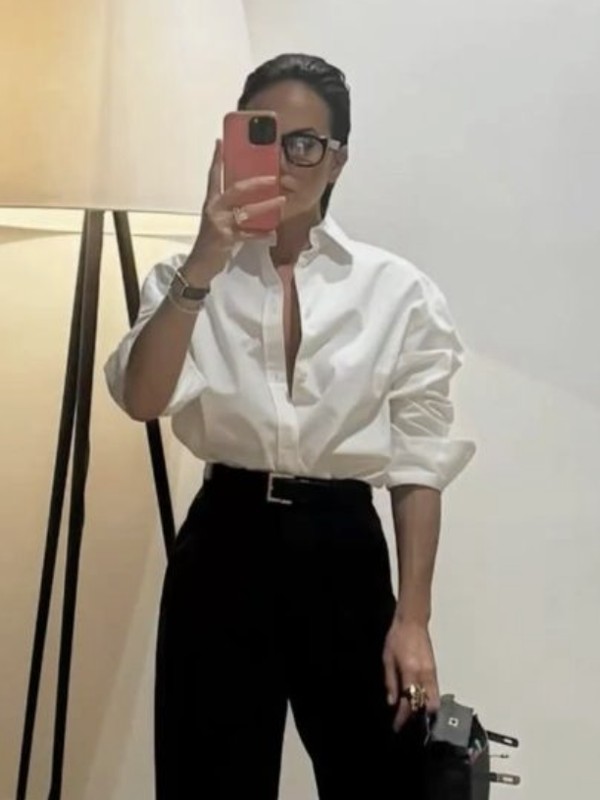
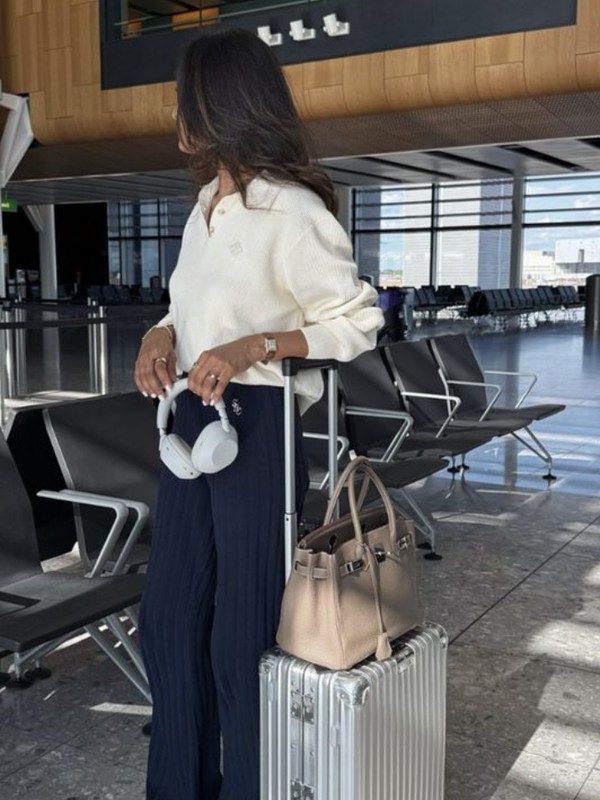
Hair and hair colour
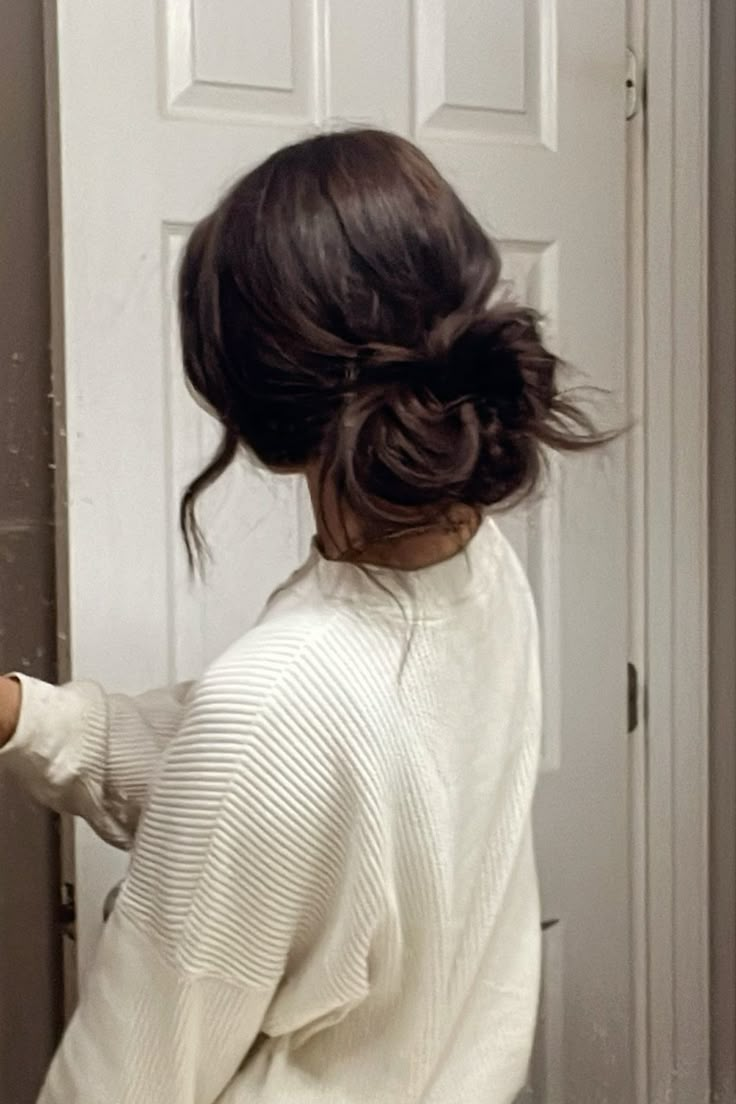
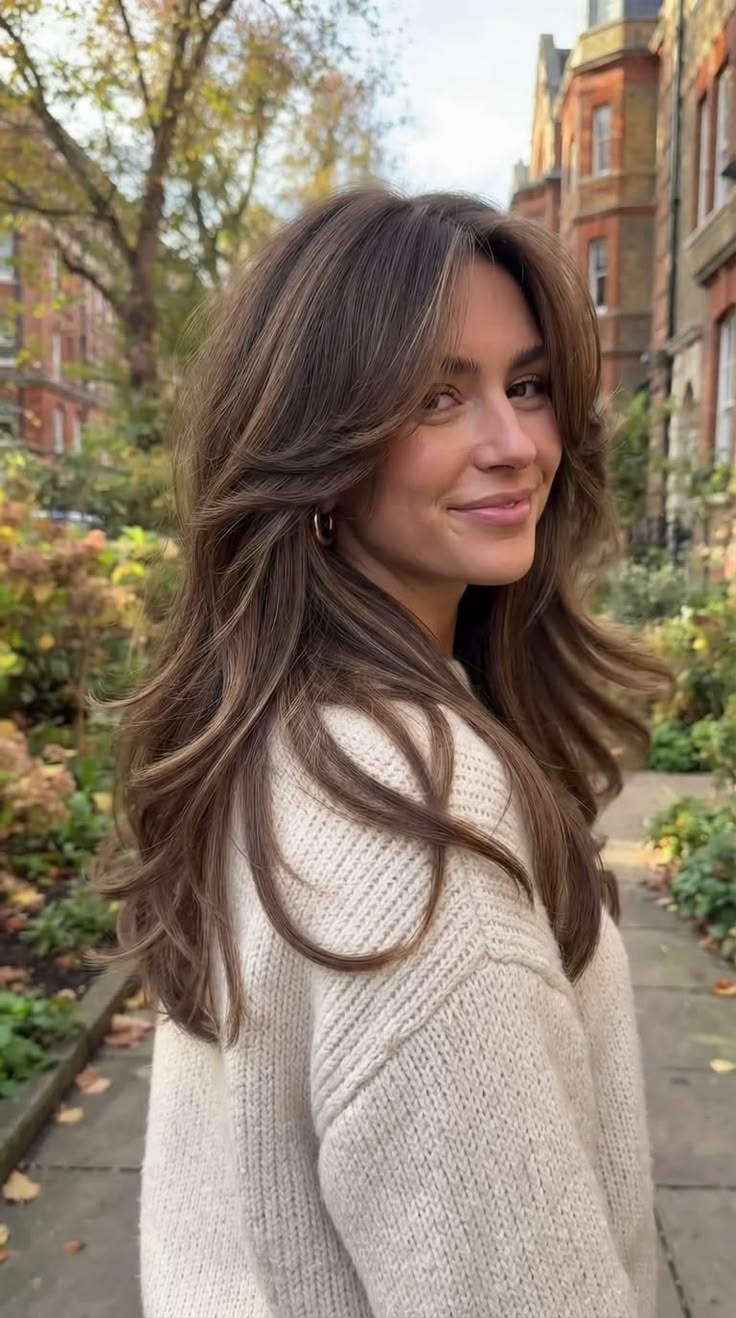
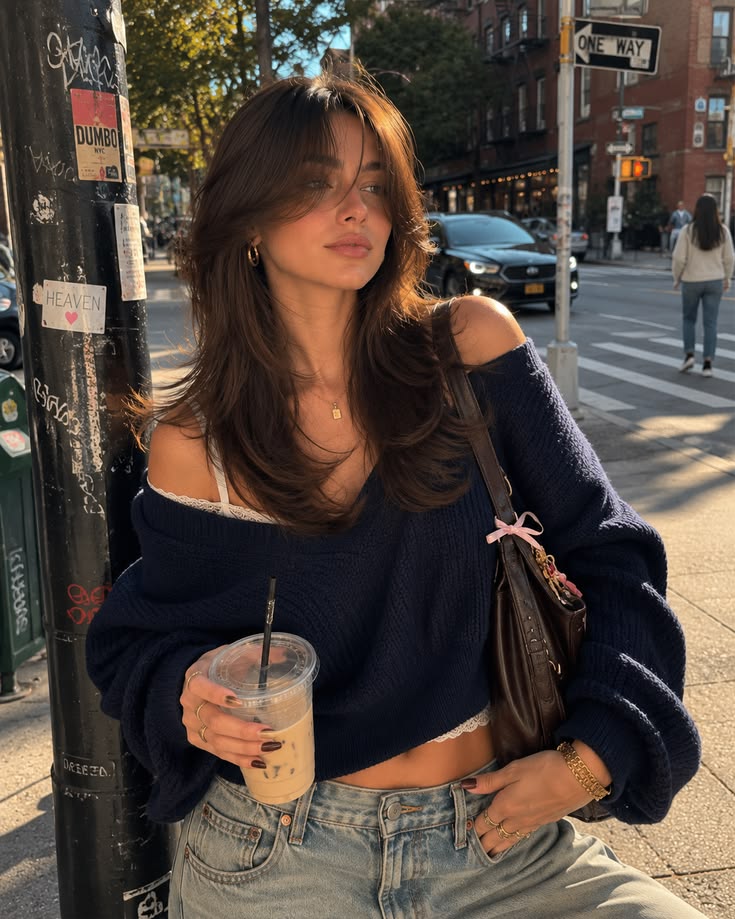
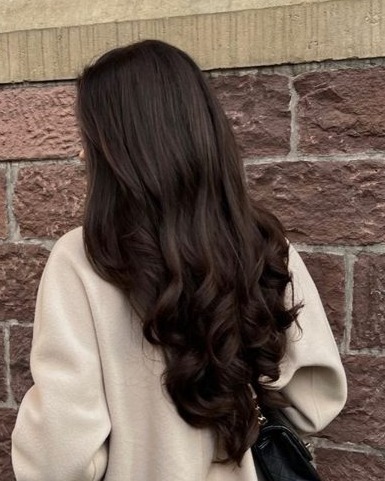
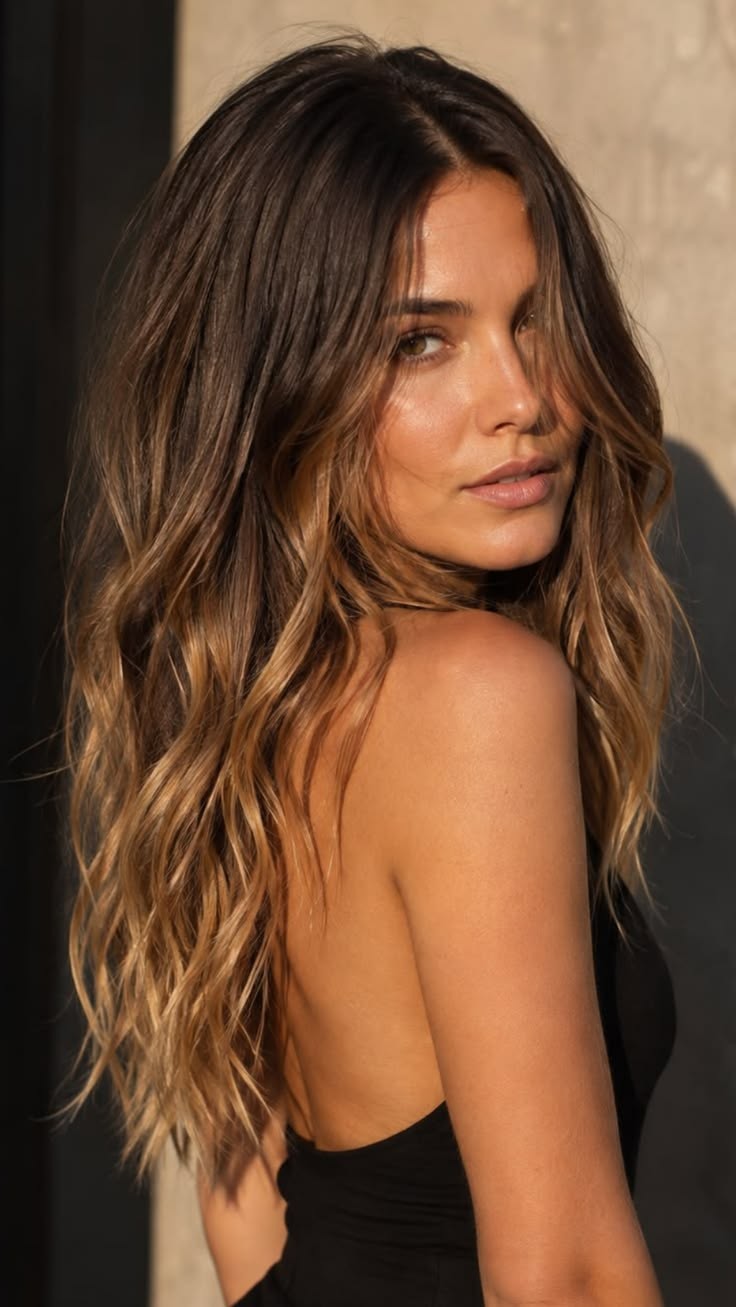
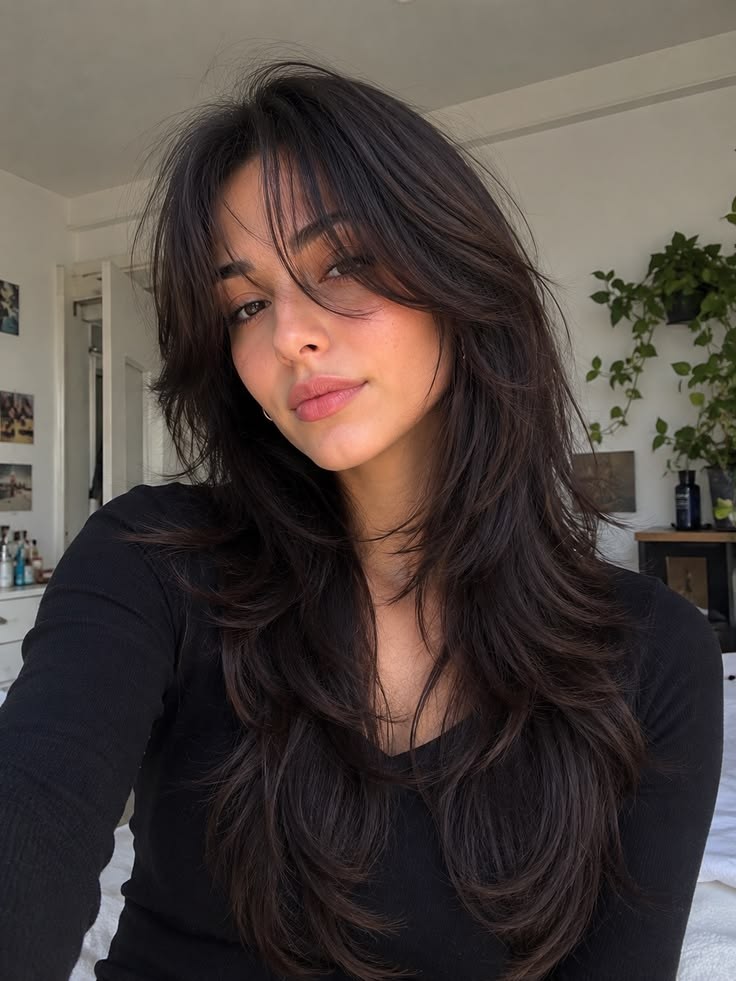
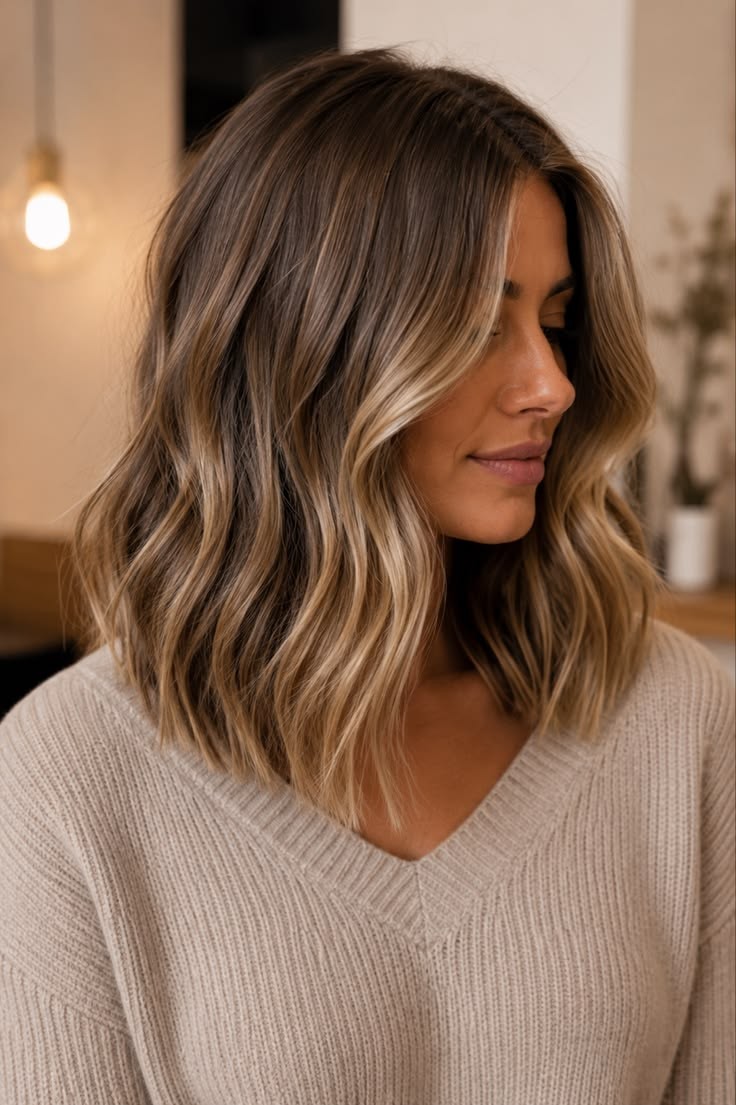
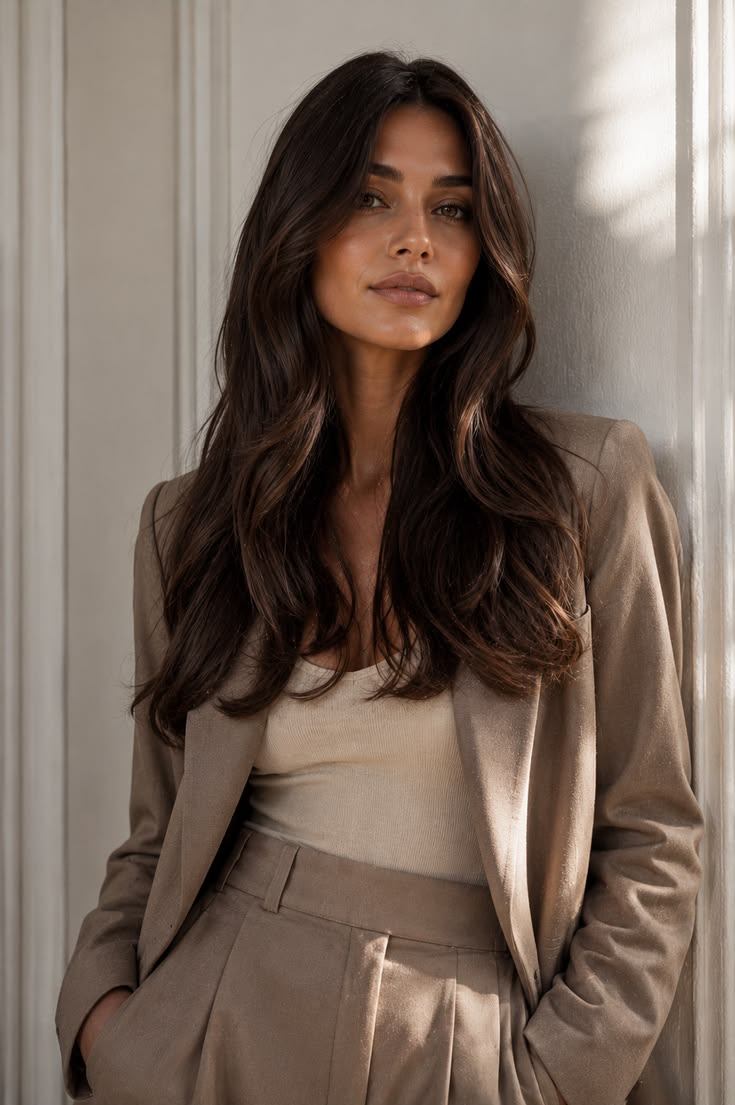
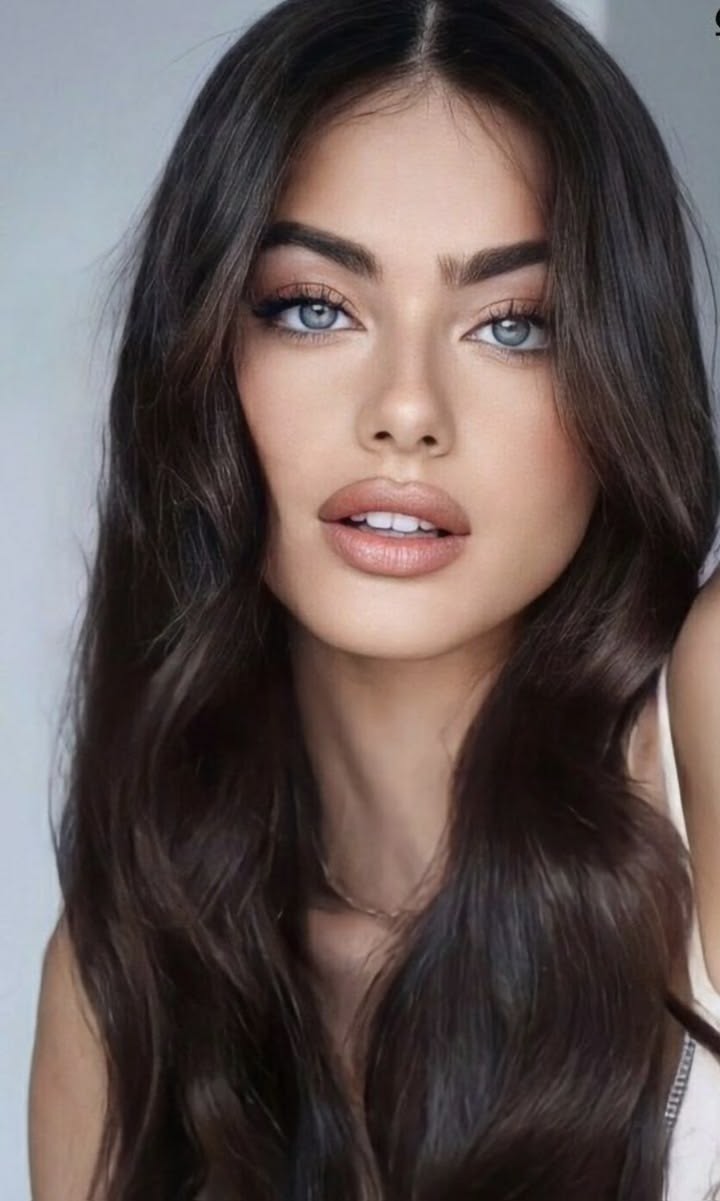
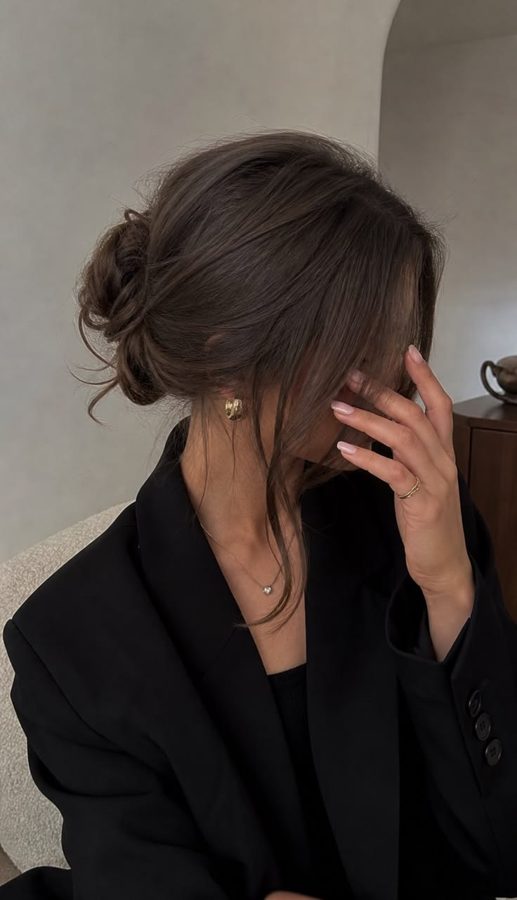
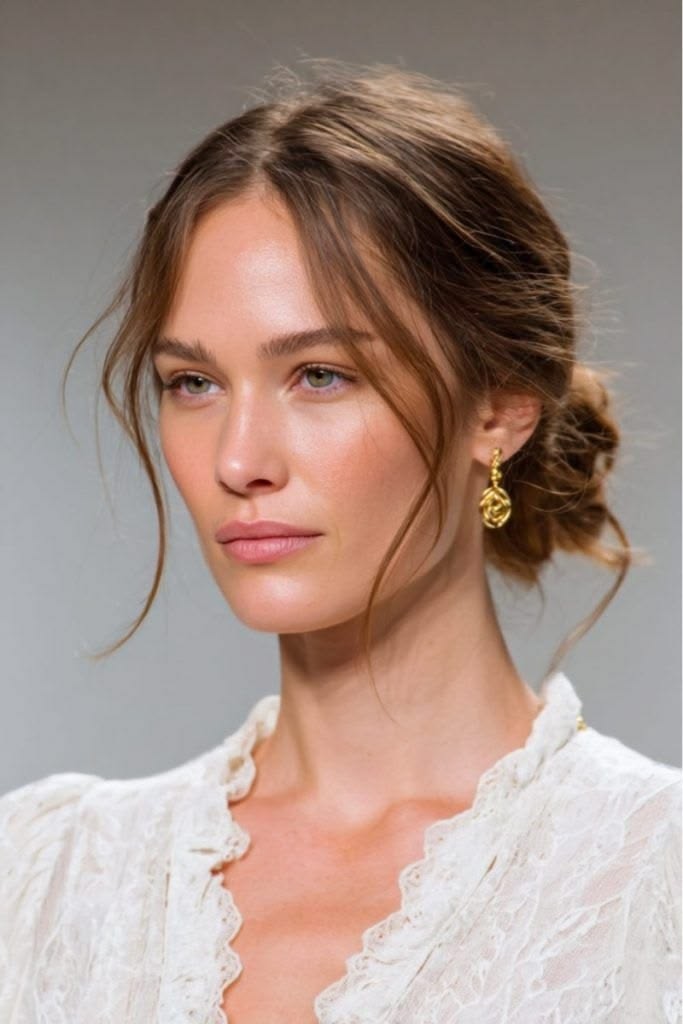
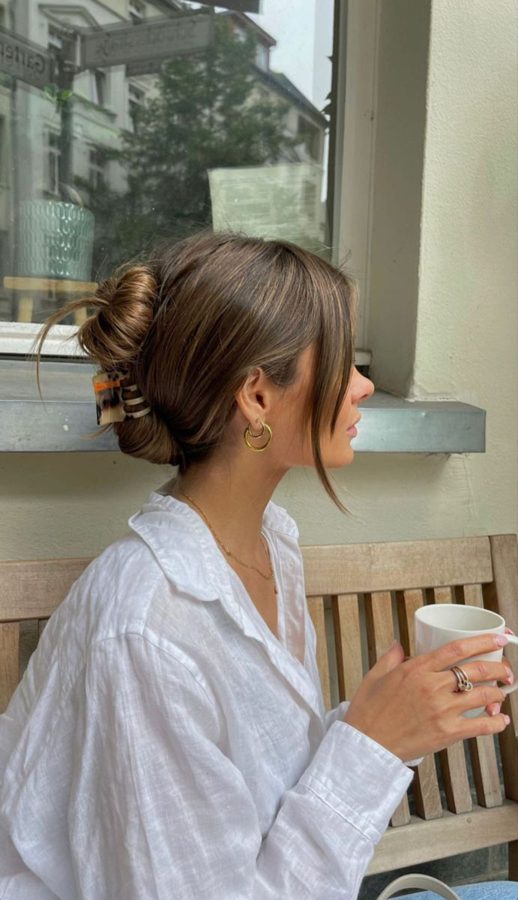
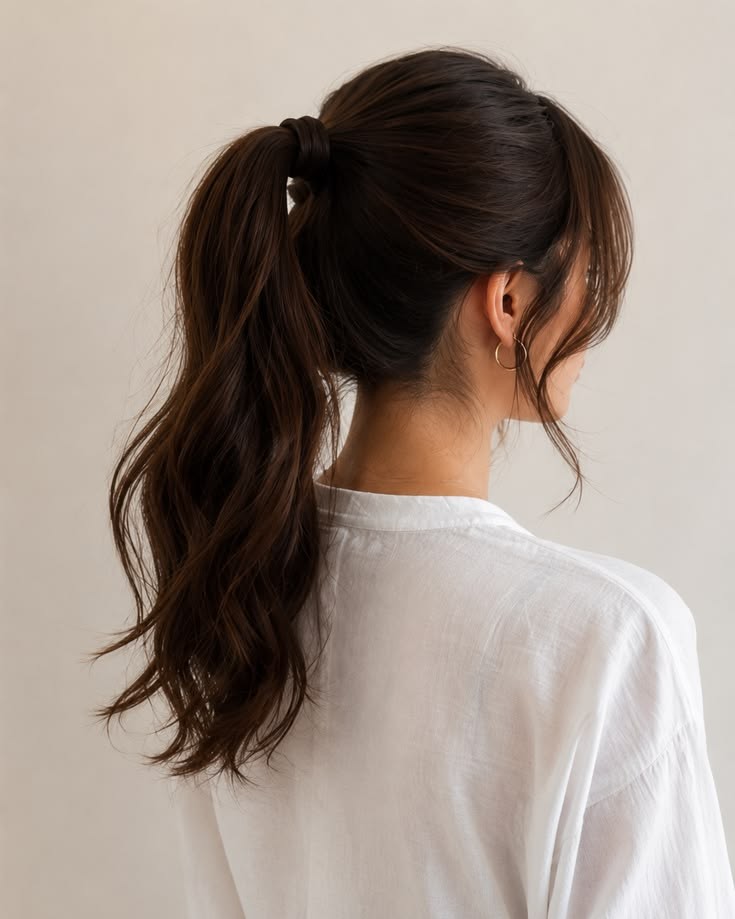
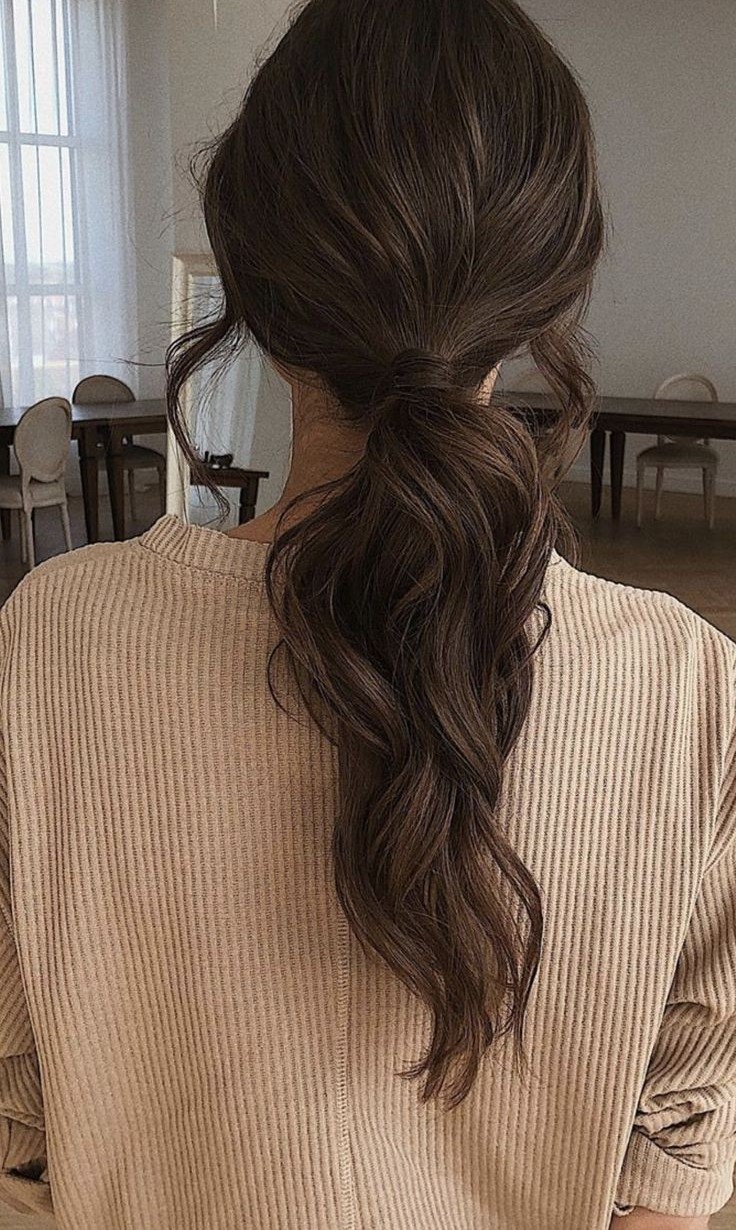
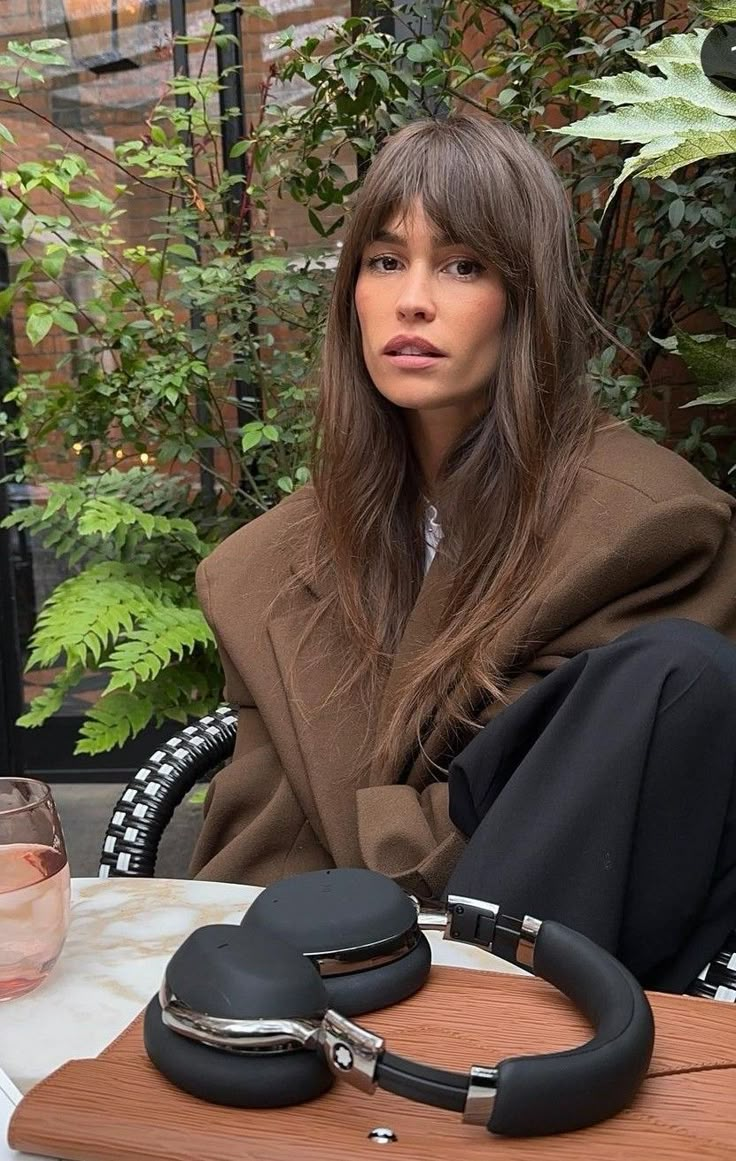
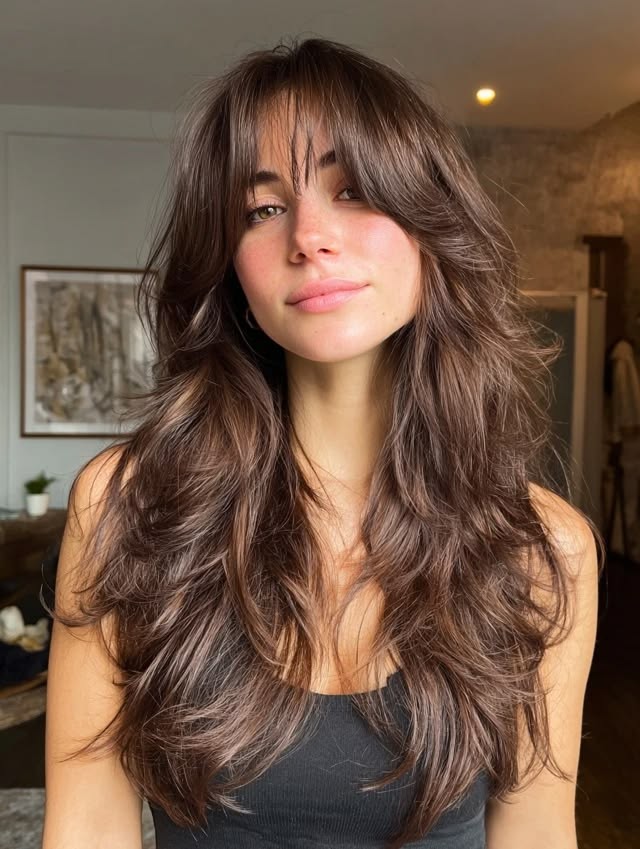
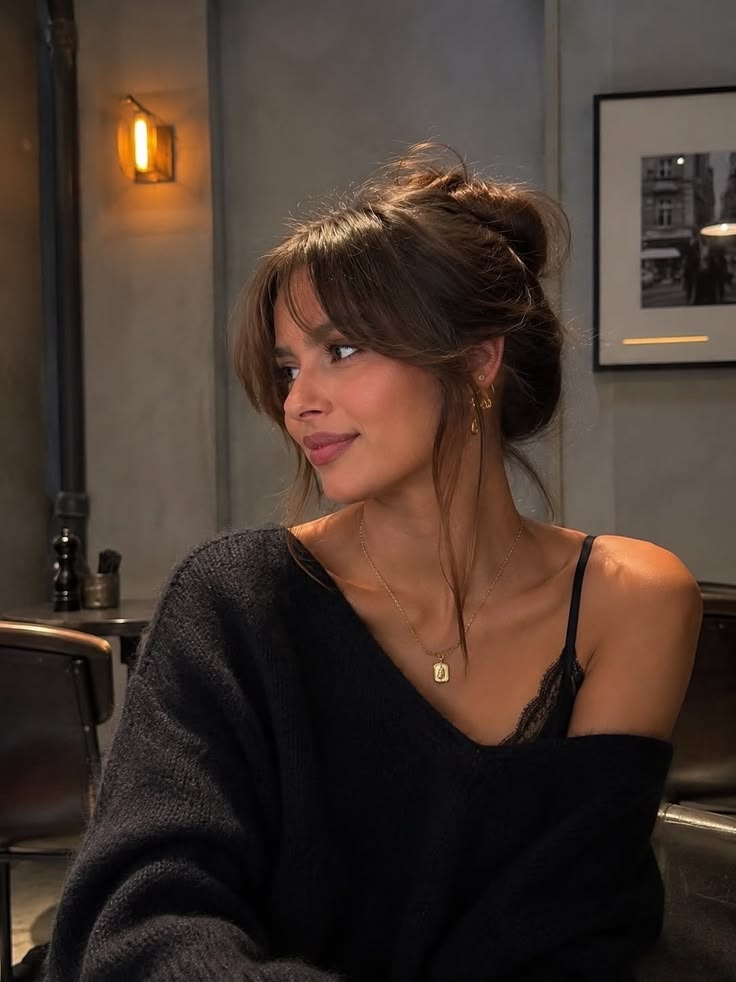
Noble-type hairstyles are simple and minimal, and there is always a little freedom in them. They balance neatness with a light ease: the bun is gathered loosely, with a soft, slightly fluffy texture and strands falling around the face. The wave is large and natural. The most flattering hairstyles look as if they happened on their own, on well-cared-for hair.
The most flattering cut and colour are natural, with soft, elegant lines. Colour can be a single tone or have a sun-kissed strand effect, and in depth it can range from dark shades to the very lightest. Creative cuts and colouring can compete with the softness of the noble type and draw attention to themselves. The most beautiful combination is a natural colour and well-cared-for hair.
Styling
- A large soft wave
- Curls brushed out after styling
- Simple low or mid-height buns
- A neat ponytail with natural volume
- A clean parting, little volume
- Loose strands, an ‘undone’ effect
- Natural shine or a matte finish
Colouring
- Single tone
- With a sun-kissed strand effect
- Shades from deep to the very lightest
- A natural result and well-cared-for hair
Fringe
- Soft, with textured ends
- Straight, with a soft edge
- Longer or asymmetric
This describes the overall character of the hairstyles. How a particular cut or style will look on you depends on the texture, thickness and density of your hair. So be sure to consult your hairdresser: they will tell you which of these options will suit your hair type best.
Makeup
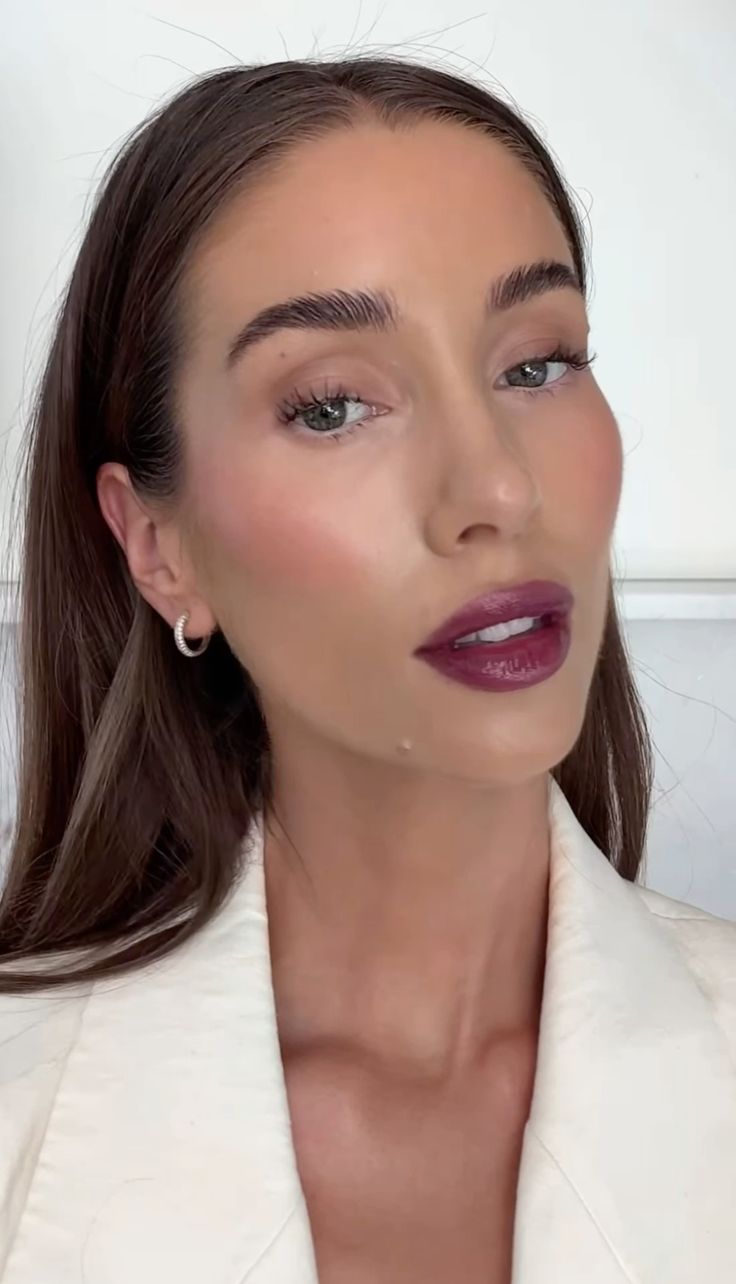
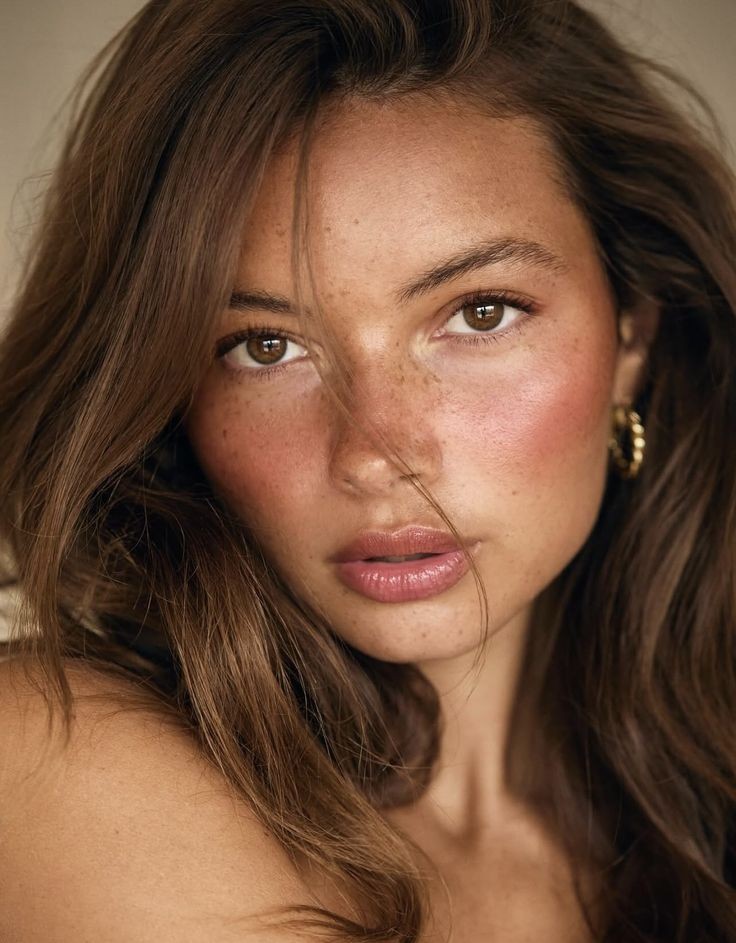
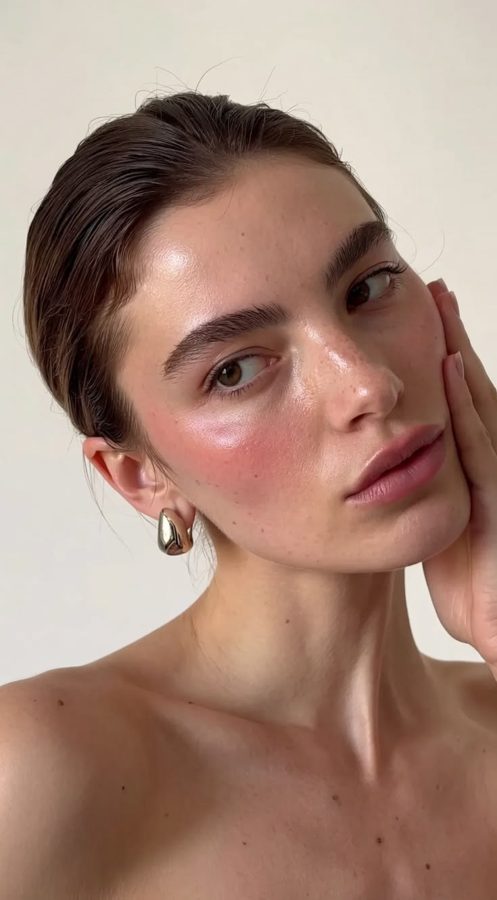
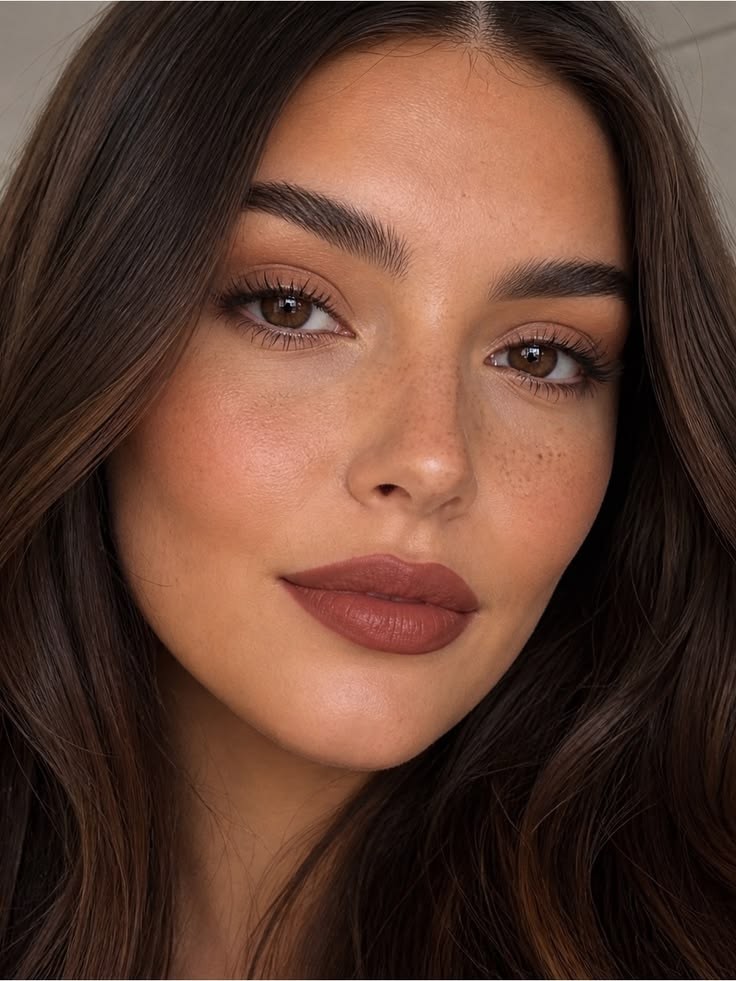
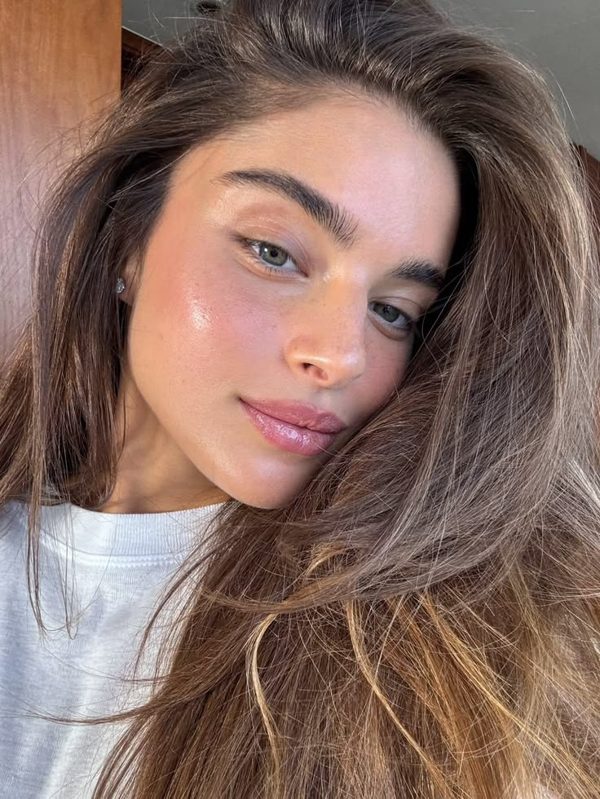
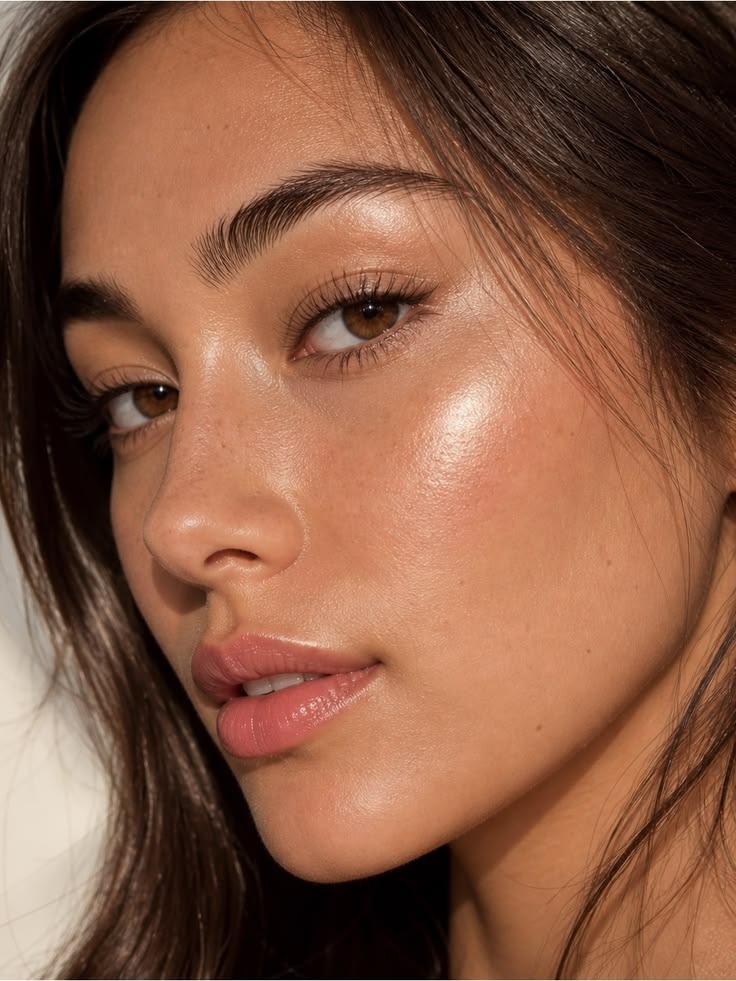
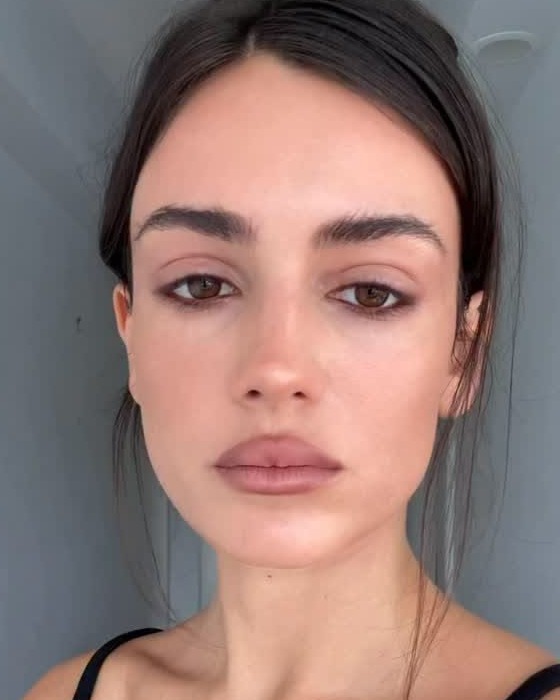
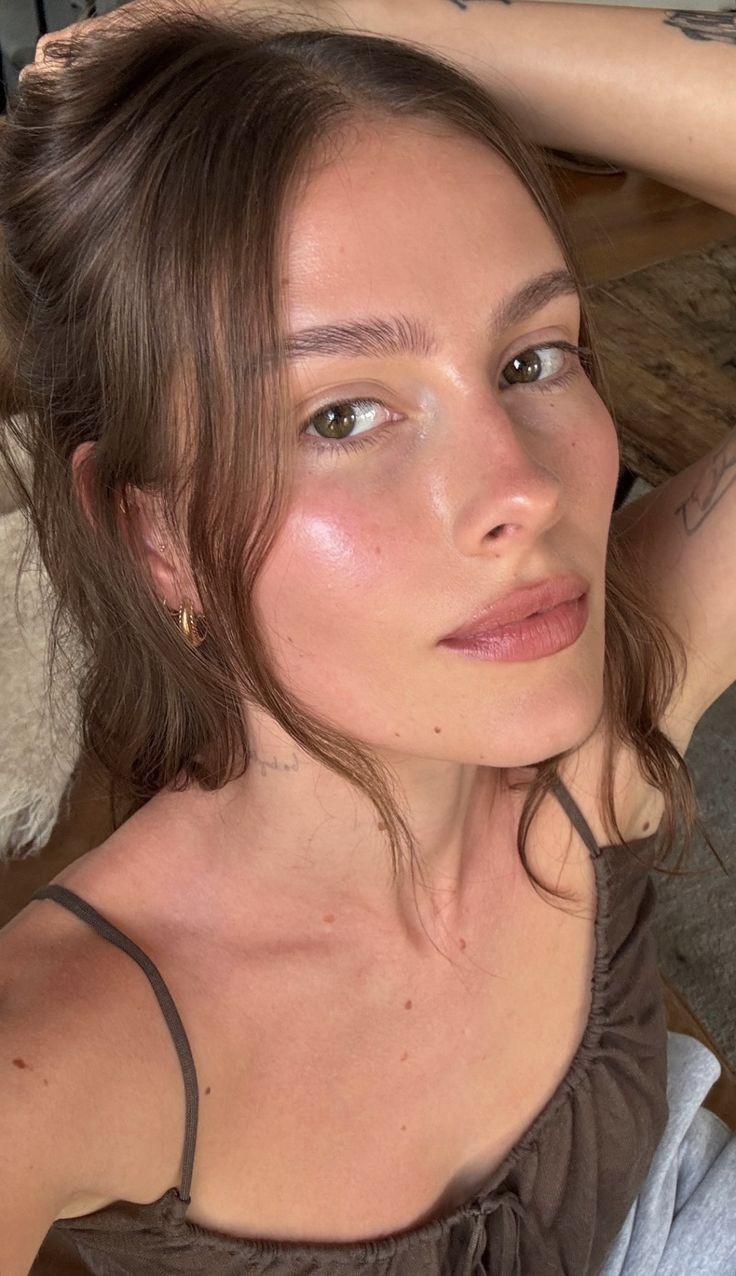
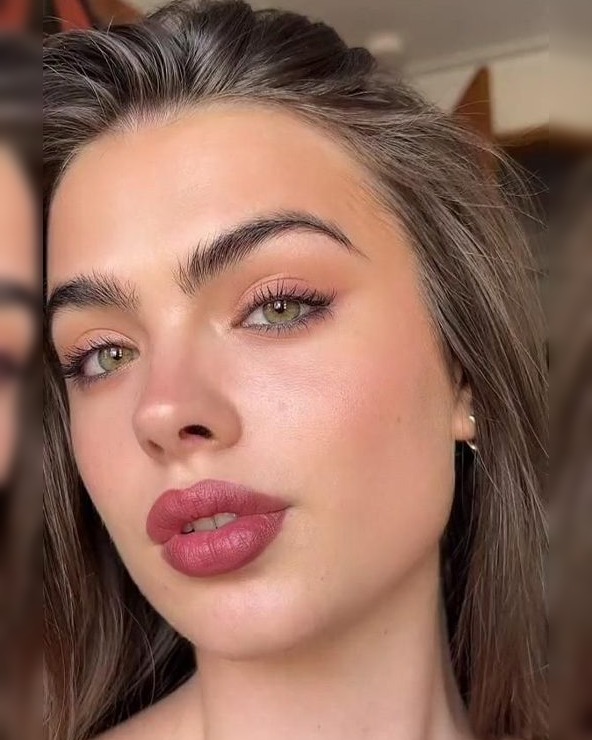
Noble-type makeup is almost invisible: it adds no new colours to the face but gently evens it out and brings out its own beauty. Everything rests on well-cared-for, radiant skin, a light flush as if after a walk, and a warm, barely-there tan. The makeup is visible, yet it stays subtle and calm, without showy techniques.
The eyes are defined with soft shades in your skin tone, from light beige to bronze and warm brown, sometimes with an olive or plum hint. Liner is short and smudged or a little neater, but never sharp. Brows look natural, their shape only lightly emphasised. Brows brushed strongly upwards can pull attention to themselves. Lips suit calm, natural shades, and for a special occasion a muted red. In the evening the makeup can become richer: a slightly deeper outer corner, more defined lashes, red lips, and the look still stays elegant.
Leather
- Healthy, glowing skin
- A fresh flush
- A delicate tan or bronzer
- A subtle highlighter
Eyes and brows
- Skin-tone shadows: beige, bronze, brown
- Olive or plum accents
- Soft smudged or neat liner
- A soft smoky eye in natural shades
- Brown, grey or black mascara
- Natural, soft brows
Lips
- Calm, natural shades
- A blurred or neat outline
- A muted red
Personal style map
Coloringand palette
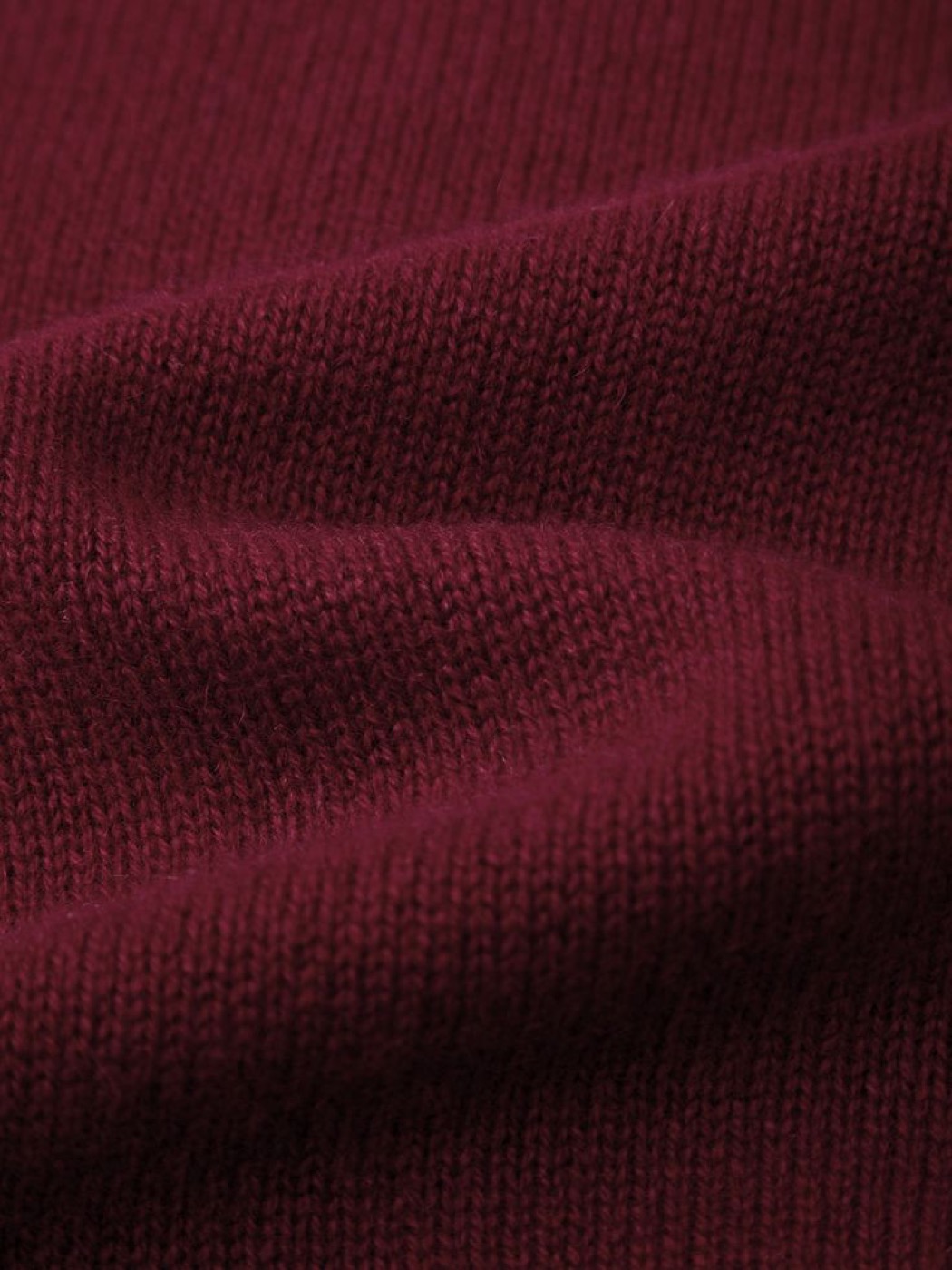
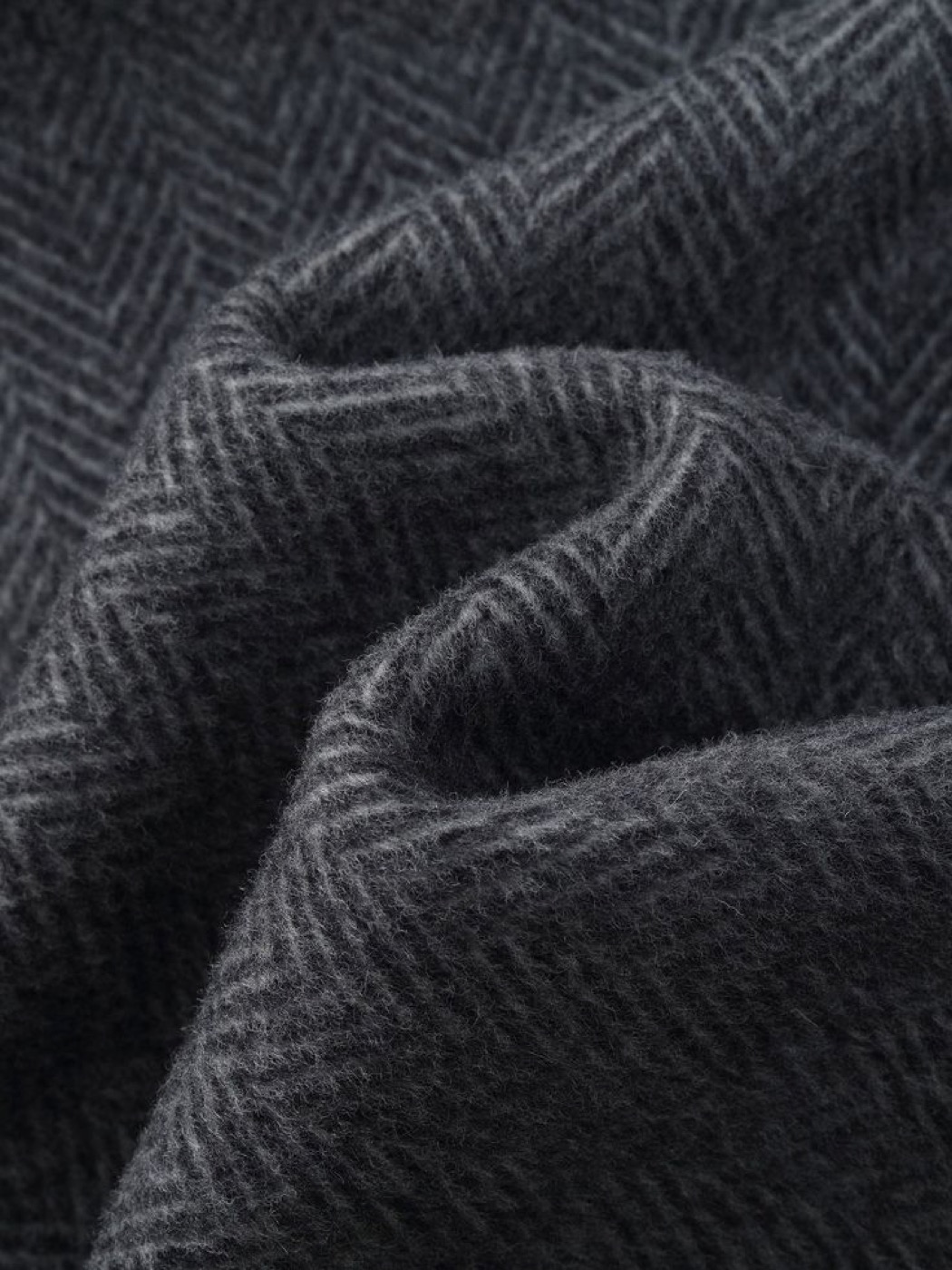
Medium contrast
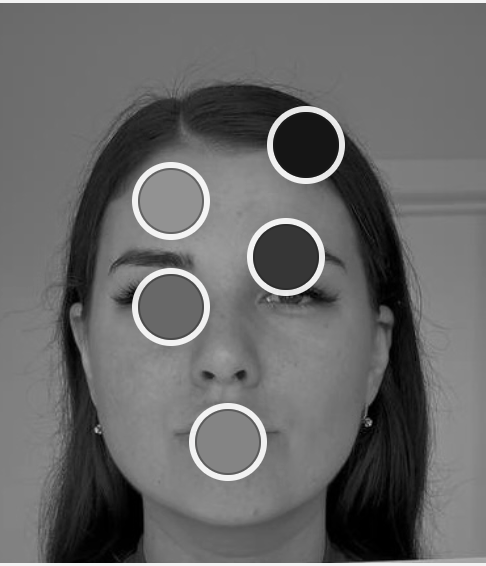

Contrast is the difference in lightness between the darkest and the lightest colours of the face: hair, brows, eyes, lips and skin.
Medium, leaning towards medium-high
What this means for your clothes
In clothes, the same contrast as in your face works best. The contrast of an outfit is the difference in lightness between colours placed side by side. Compare the three outfits. Under each one are its colours, and below them the same colours turned black and white. This shows most clearly how strong the contrast of the outfit is.
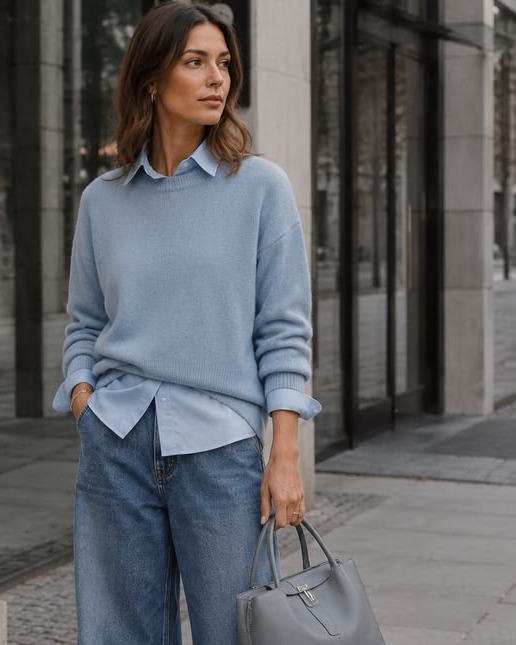
Low
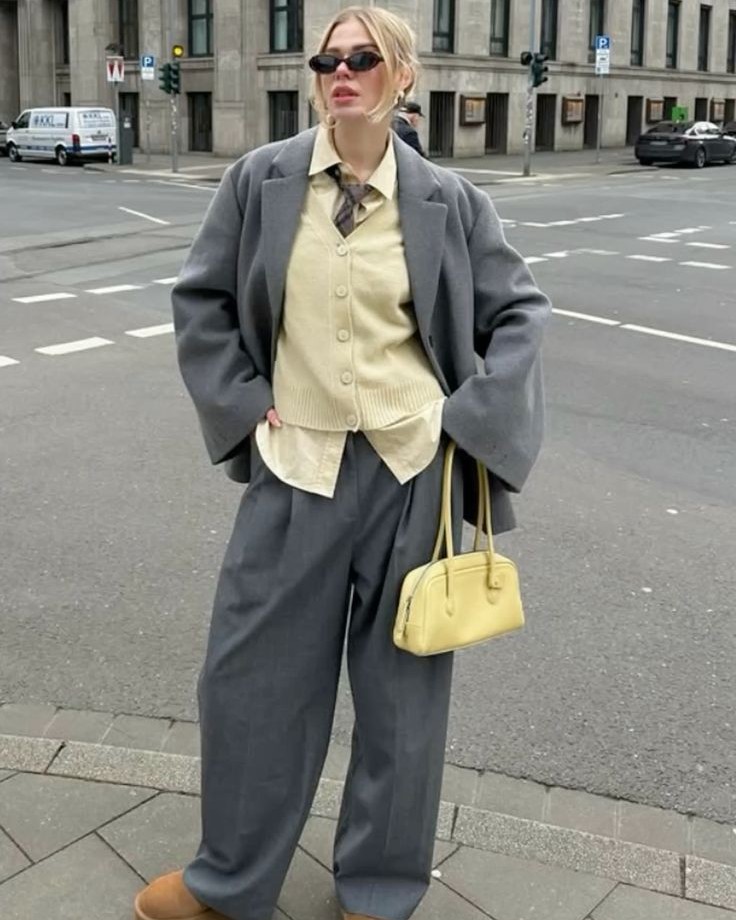
Medium · yours
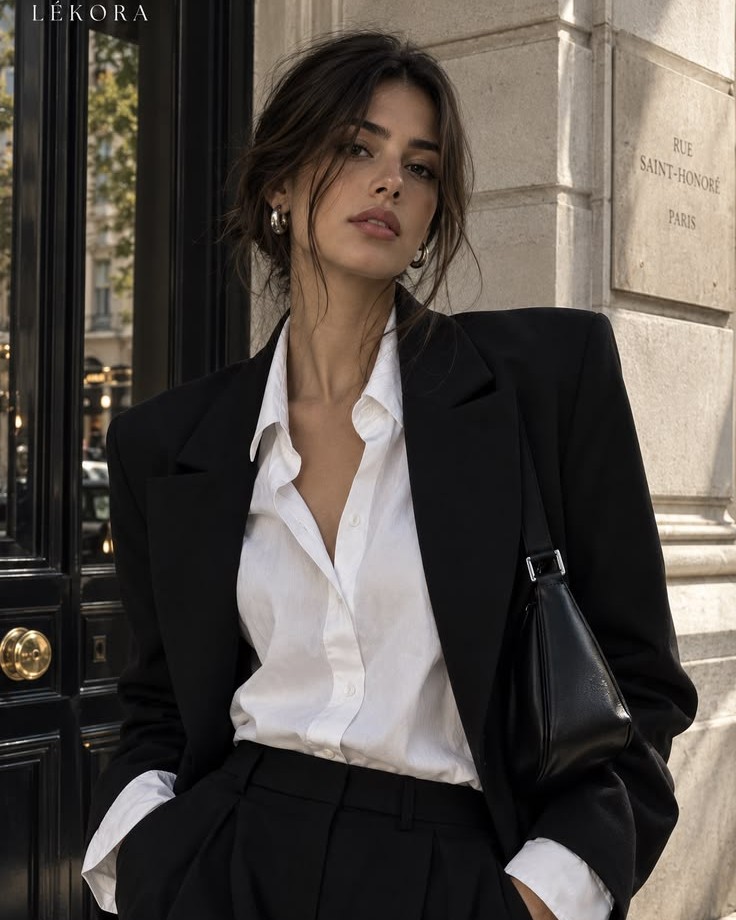
High
Deep, soft, cool
Deep
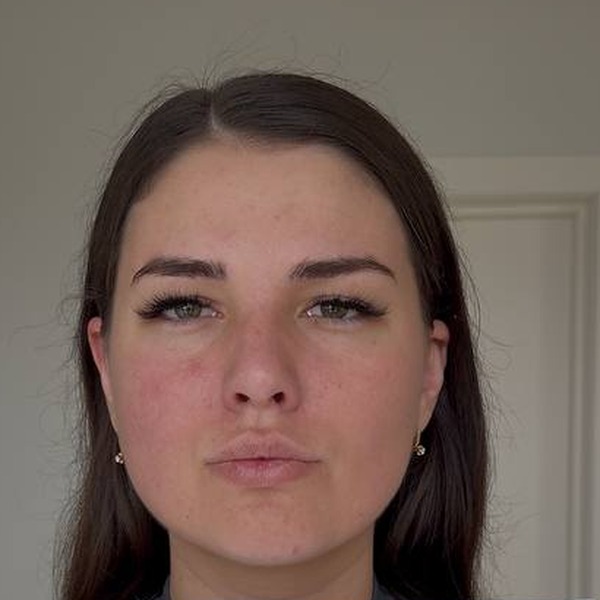
Depth is the main quality of your appearance. So always choose deep shades first.
You have a deep colouring. The colours of your appearance are rich and dark: dark hair and brows. So deep shades look best next to your face and make the look harmonious and whole. Very light colours are too weak and inexpressive for you. They are better worn away from the face or as a bottom layer under a blazer, cardigan or jacket.
Soft
You have a soft colouring. Soft colours are calm and muted, as if lightly dusted. Clear colours, on the contrary, are bright and vivid. Next to your face, clear colours pull attention to themselves, so people notice the colour first, not you. Soft colours merge with your appearance, and your face looks more harmonious.
Cool
You have a cool colouring. Every colour has warm and cool shades: warm ones lean towards yellow, cool ones towards blue. In every colour it is better for you to choose its cool version. Next to cool shades your skin looks more even and fresh, while warm ones can add yellowness to the face.
Your combine
Thirty of your colours
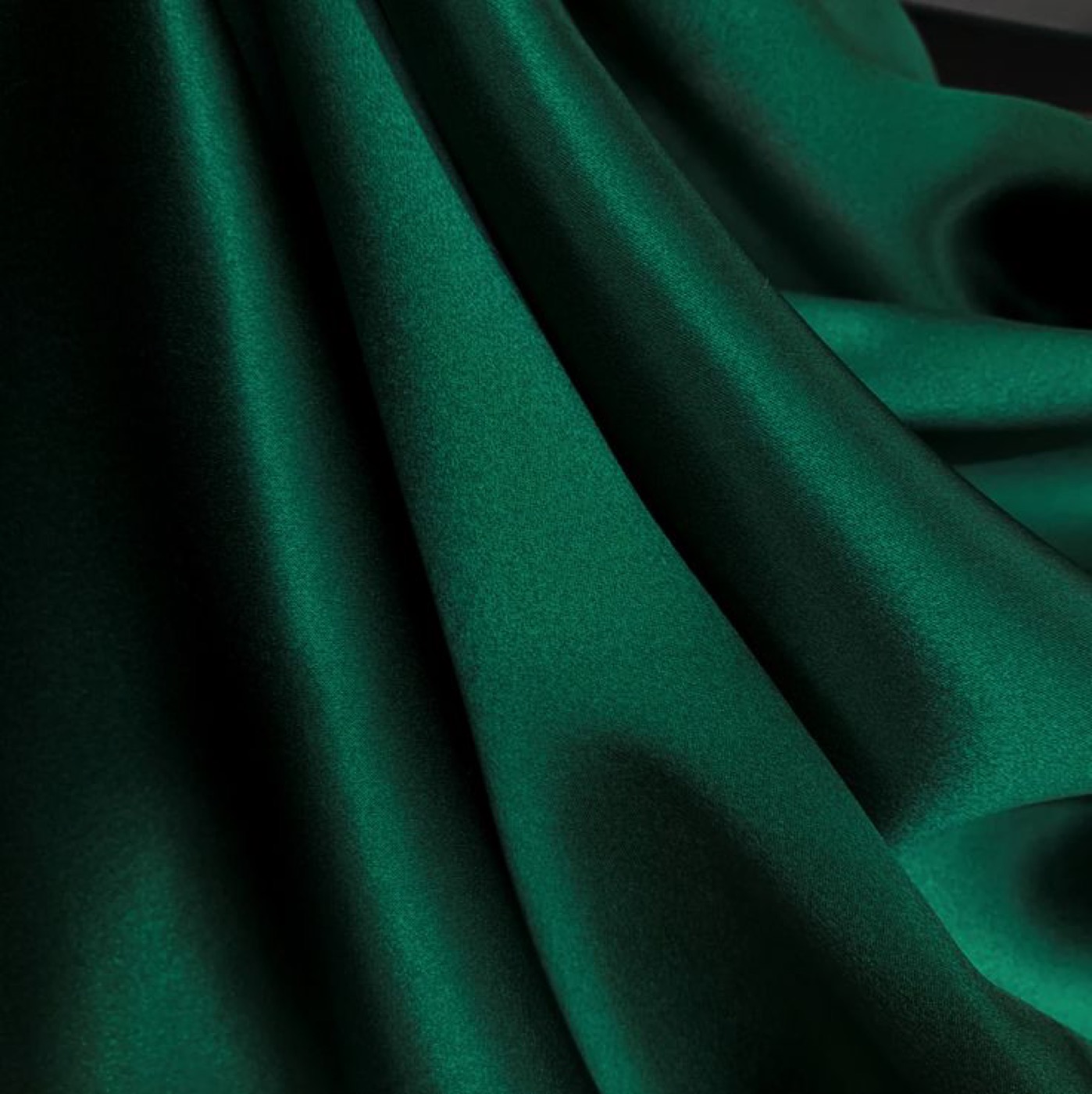
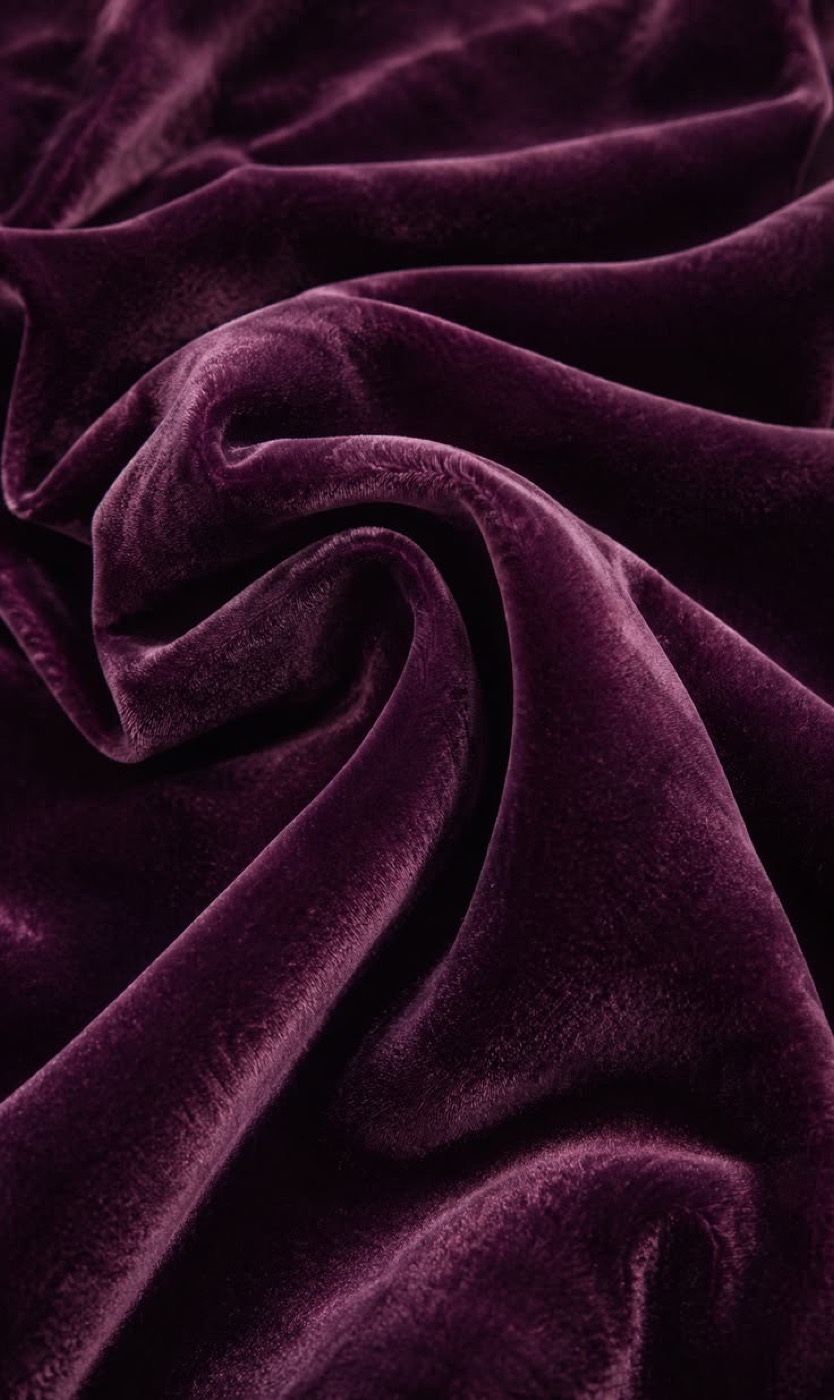
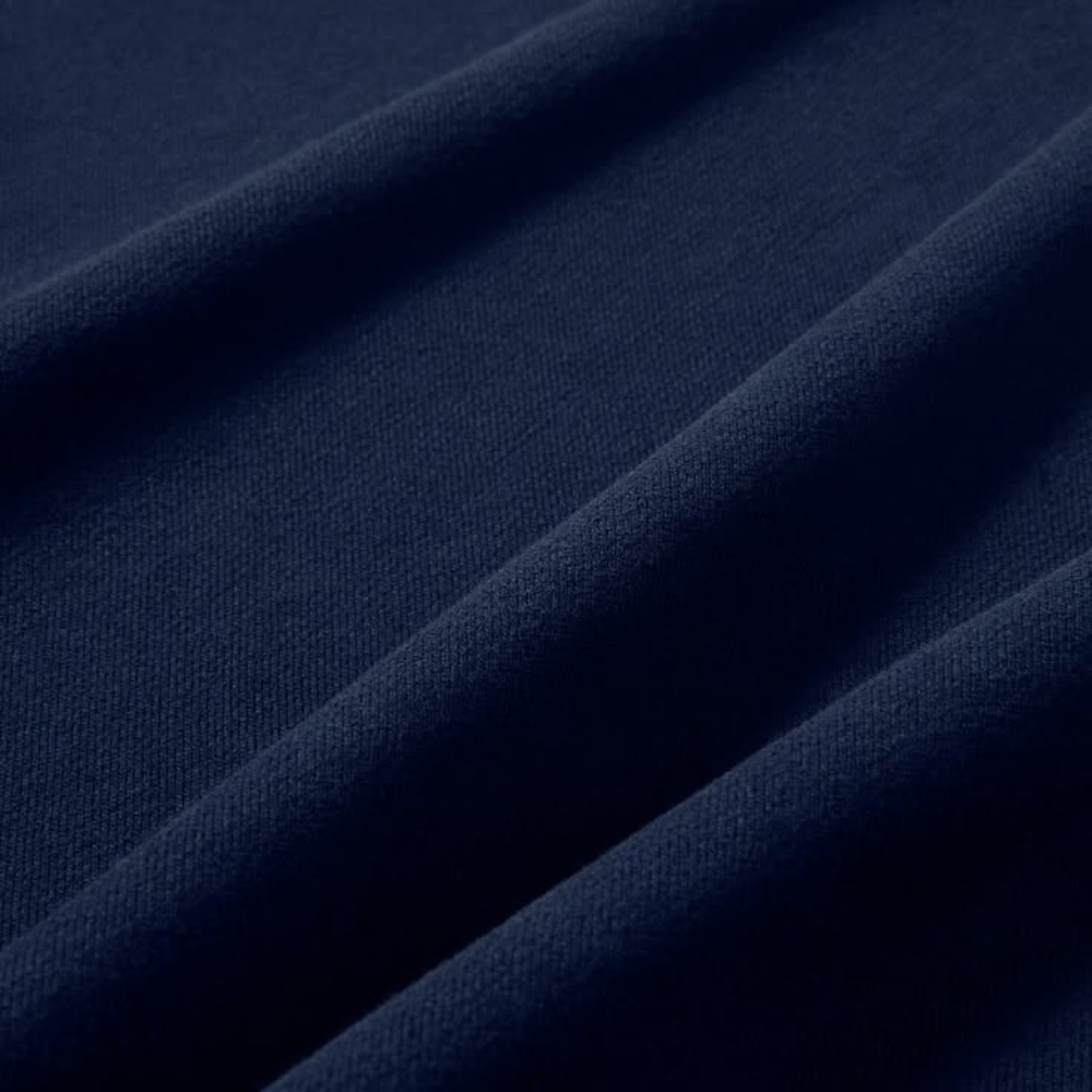
Your palette is built on the three qualities of your appearance: deep, soft, cool. These are rich, noble shades: forest and sea greens, ink blues, plums, berries and wines, dark chocolate and graphite. All of them are deep, slightly muted and cool, so next to your face they look natural and bring out your own colouring. The colours combine well with each other, making it easy to put outfits together.
More shades
The extended palette continues your personal one: it has more shades of each colour within the same colouring. It gives you more freedom of choice and helps you find pieces that don't match your thirty colours exactly but still stay within your range.
When working with colour, the portrait zone matters most: it is closest to your face, and the colours you wear there directly affect how your face looks. They can make it look fresh and rested or, on the contrary, tired and unwell. Colours in the lower part of an outfit have no direct effect on the face, so you can freely choose them outside your palette too.
If your personal palette doesn't match the palette of the noble type, you can freely use the type's colours in accessories and in the lower part of an outfit: trousers, skirts, shoes and bags.
Your best metal color
The temperature of your coloring is cool, so silver, white gold and platinum look most harmonious on you.
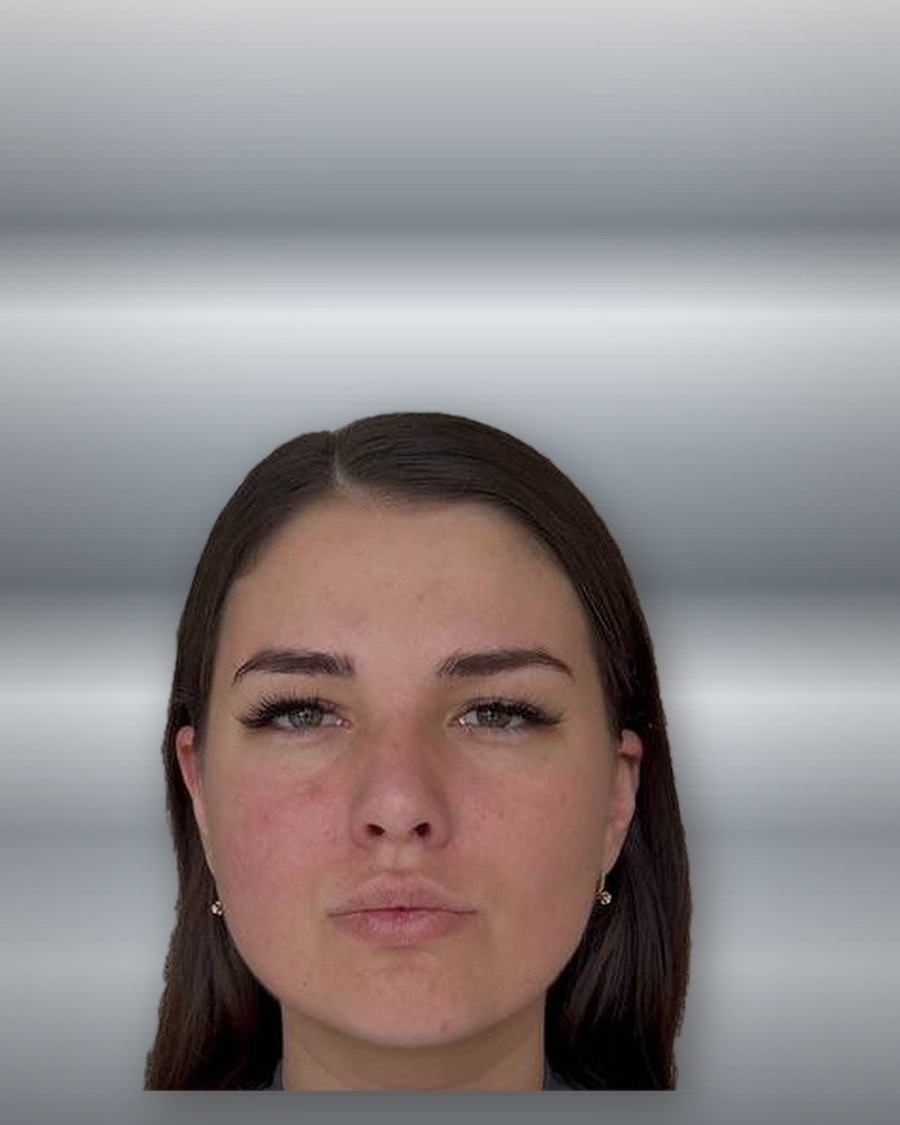
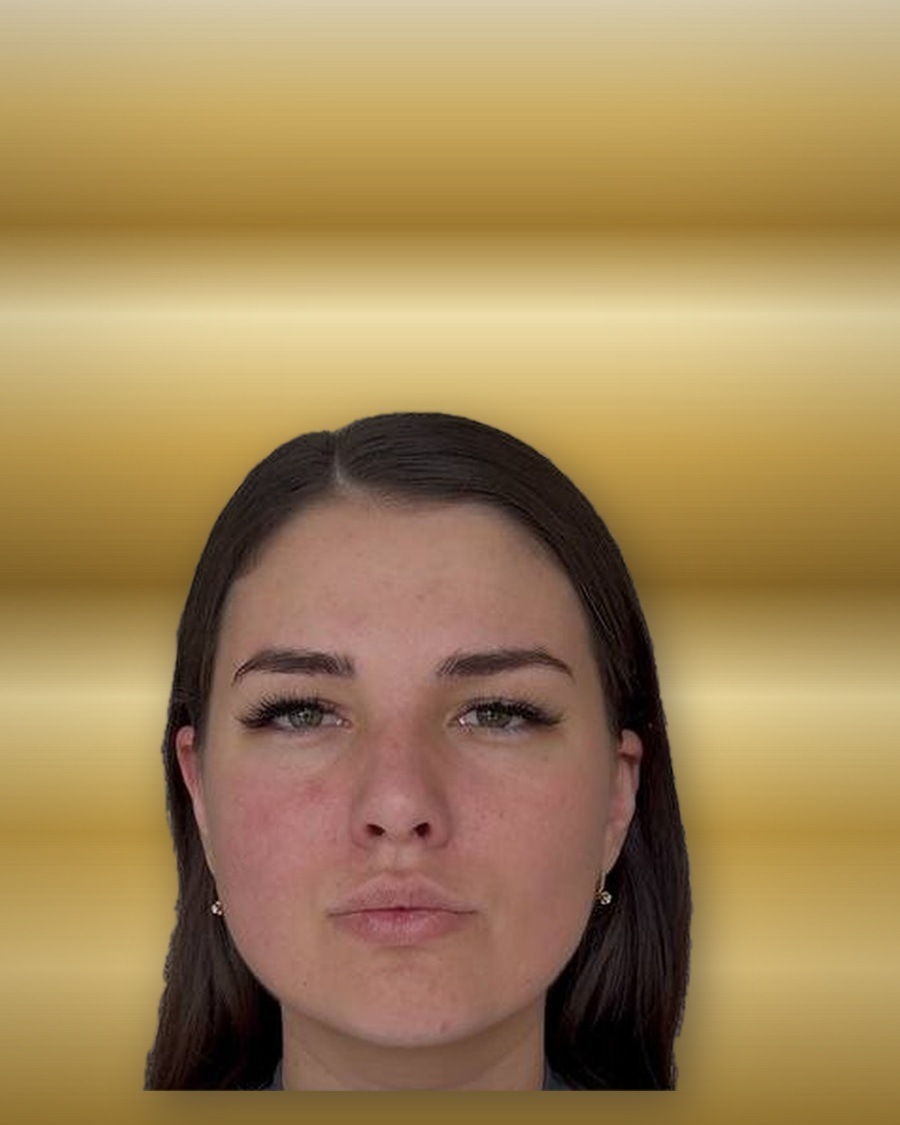
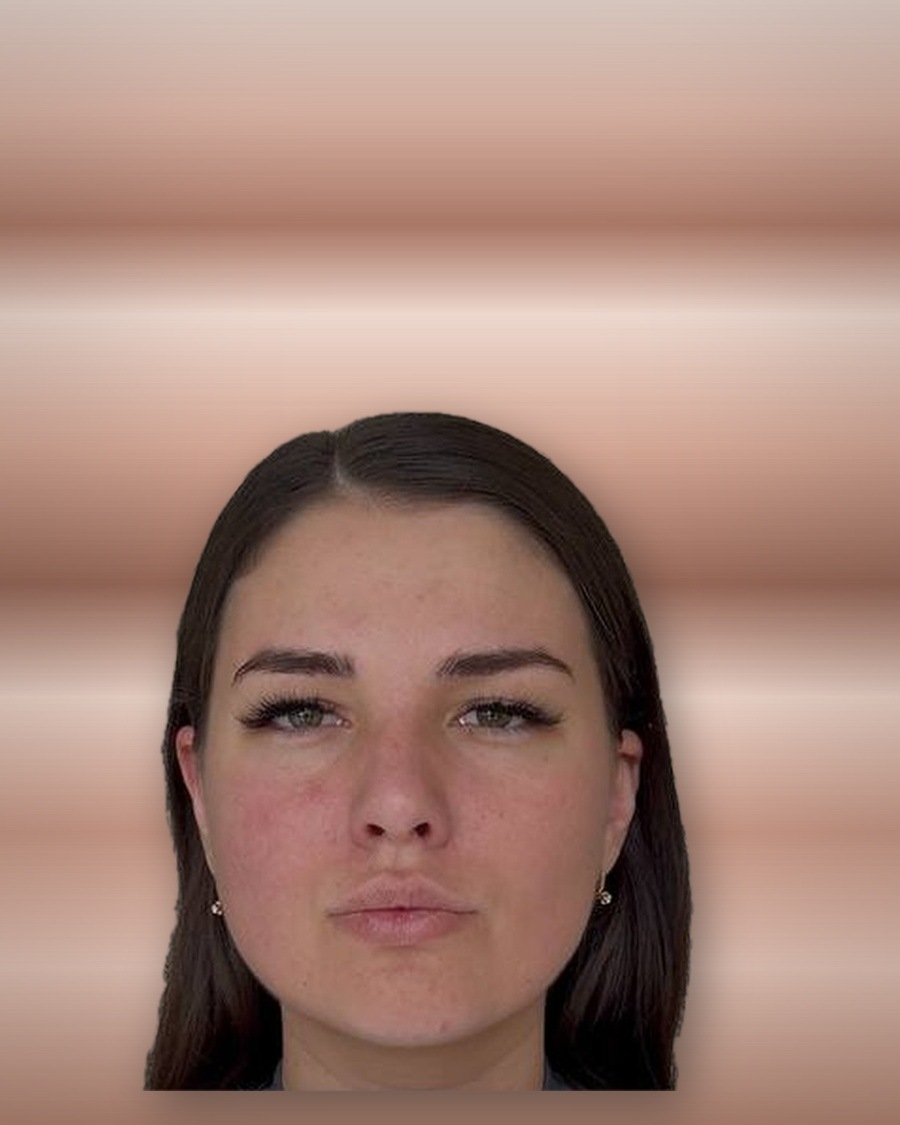
Rose gold is a universal metal of neutral temperature: it suits both warm and cool coloring. So wear it as freely as you wear silver. Metals can also be mixed: within one piece they sit together beautifully as long as the cool metal leads near the face and the warm one comes in as an accent.
Personal style map
Figureand proportions
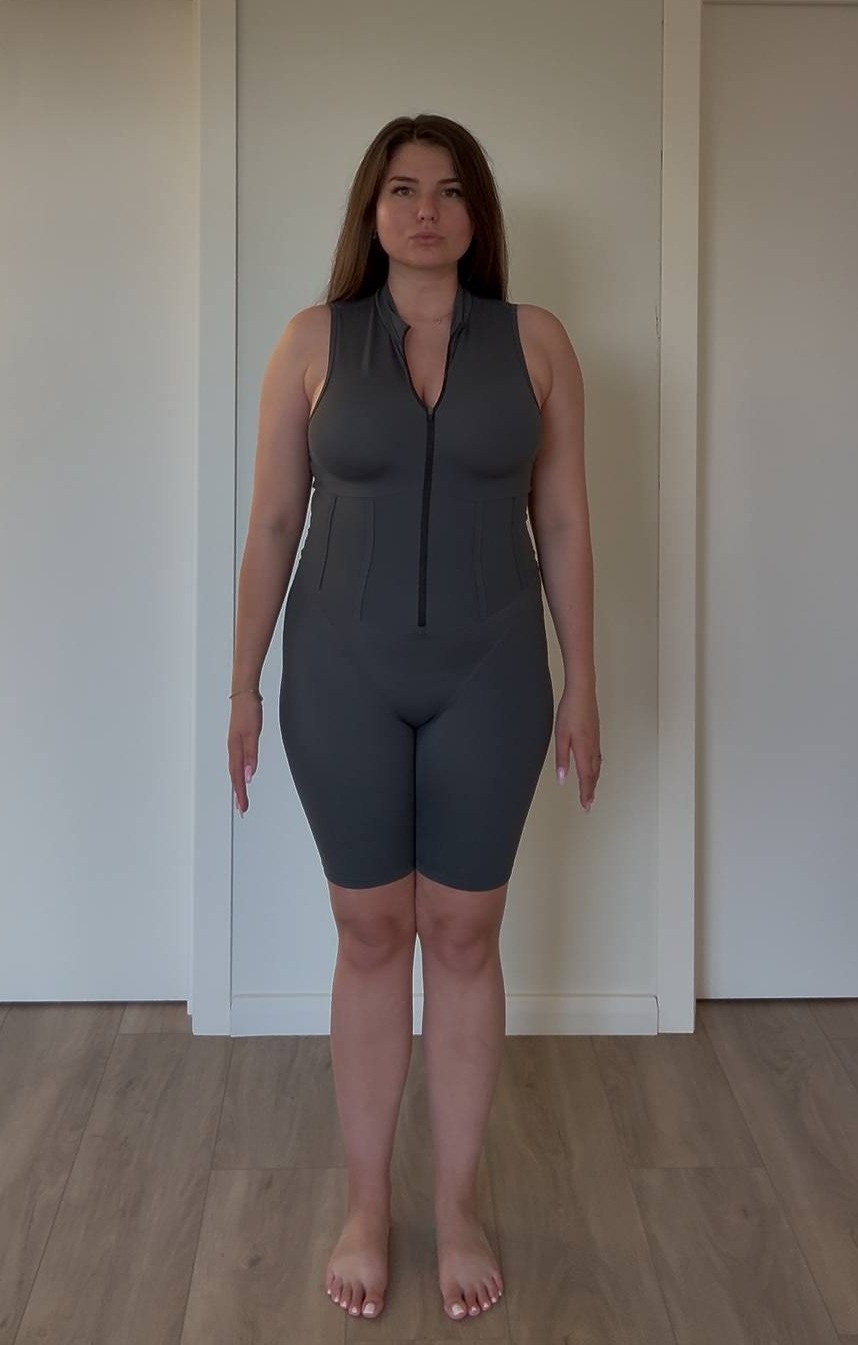
Soft hourglass
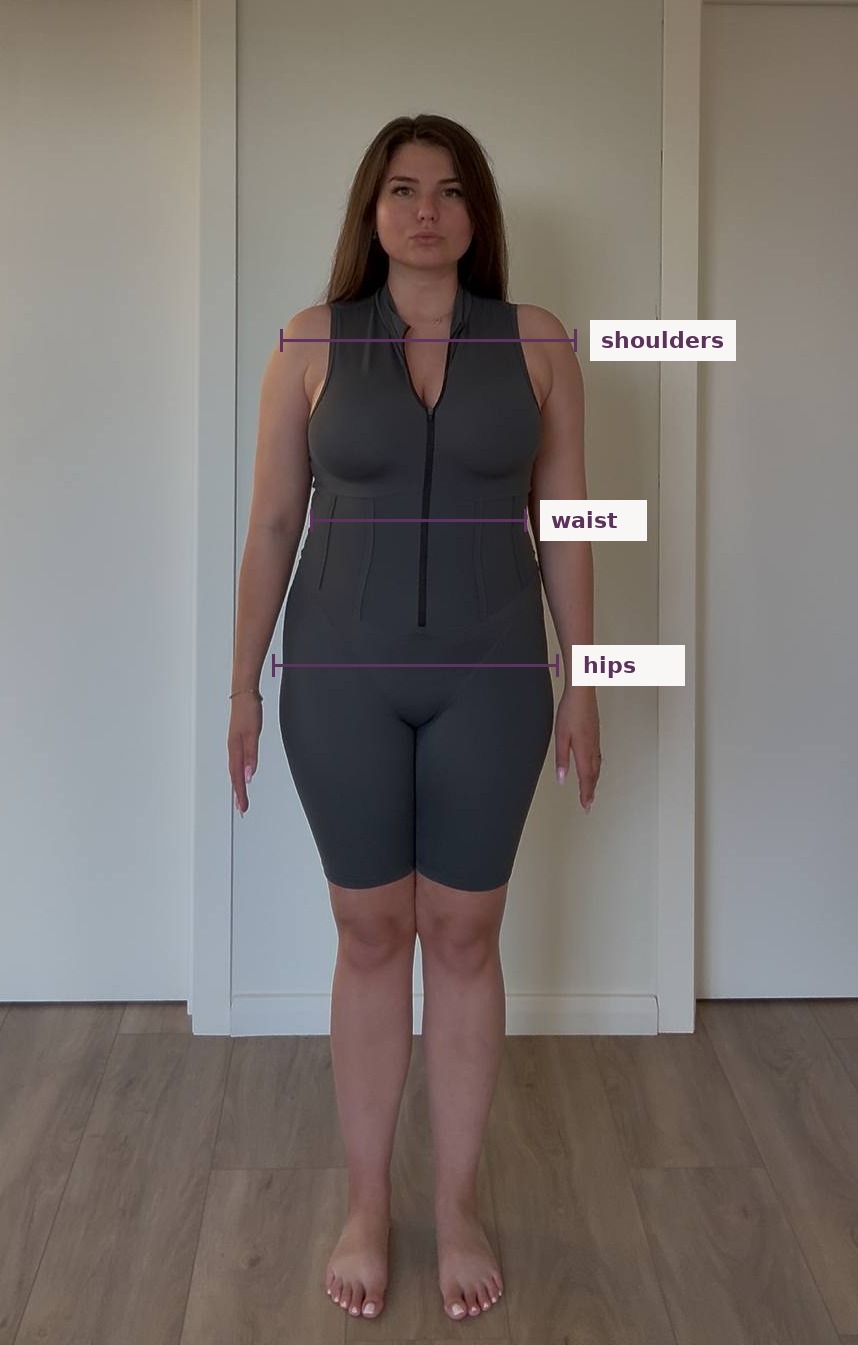
Your shoulders and hips are balanced: the girth at the shoulder line and at the hips is the same. Nothing needs to be added above or taken away below; horizontally the figure is already in balance.
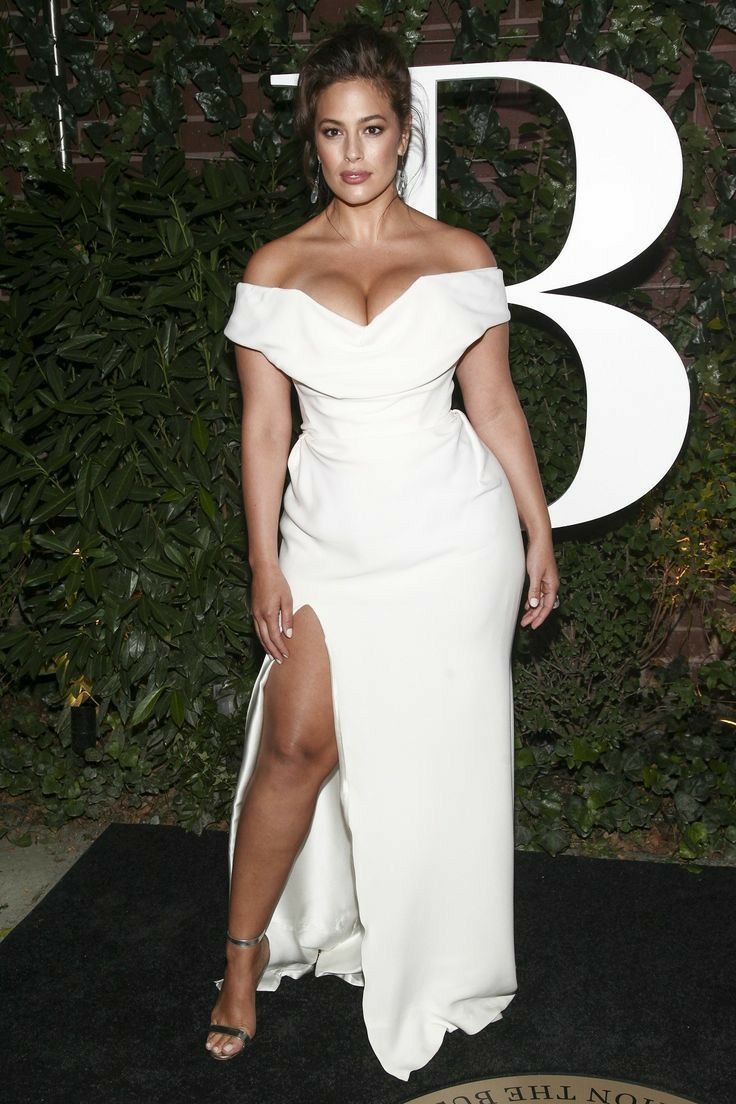
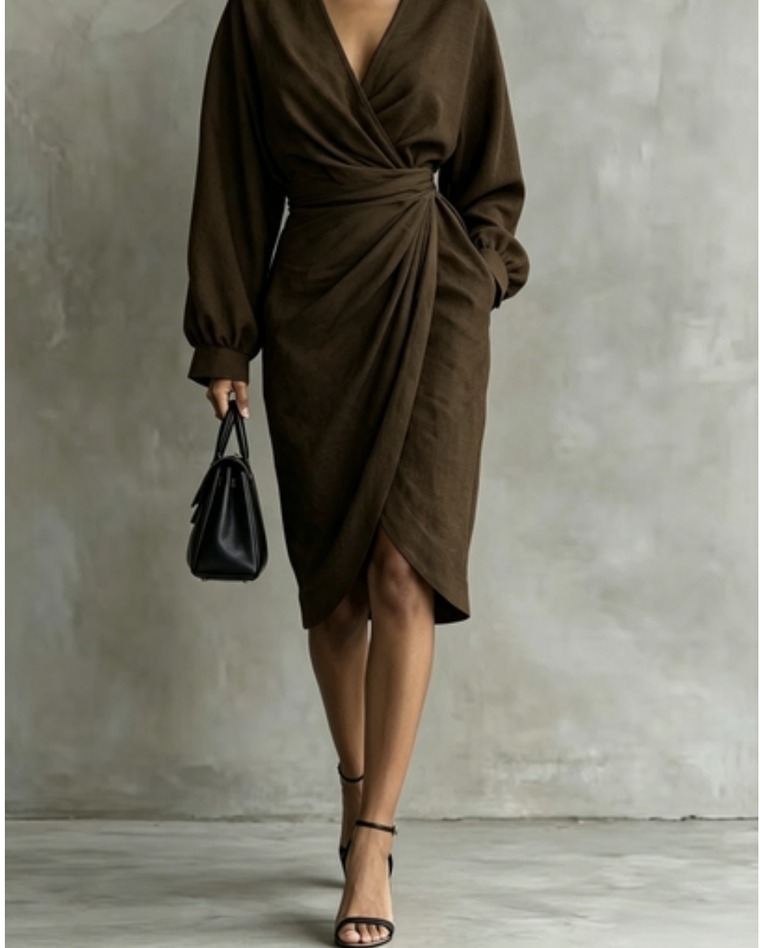
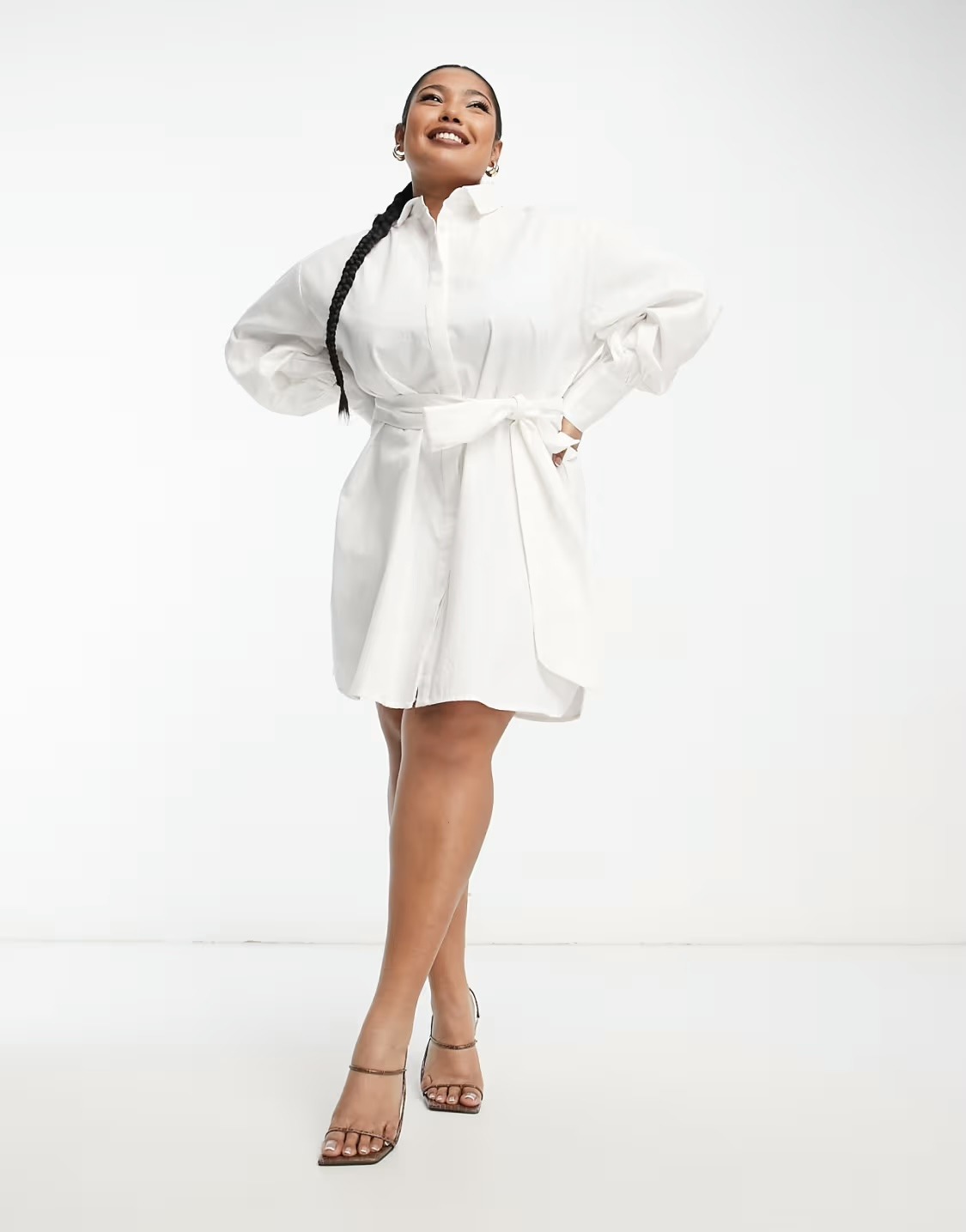
You do have a waist, but it is quiet, and the lines are soft and rounded. Hence the main rule of your wardrobe: the waist should be marked. In a straight, loose cut it disappears, and the silhouette reads heavier than it is.
Ways to balance the body
How to mark the waist
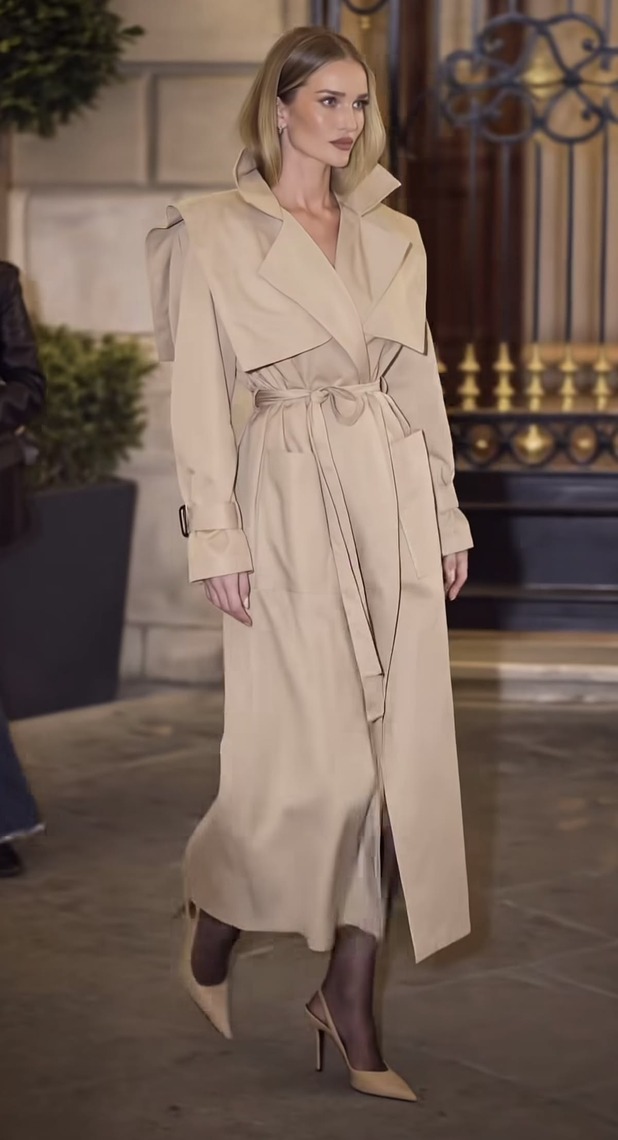
You do have a waist, and the whole job of clothing is not to lose it. There are several ways to do that: a firm dress that follows the body and draws the silhouette itself; a wrap, whose diagonal gathers the figure towards the centre; a belt at the narrowest point, including over a coat. A fitted cut and vertical darts do the same thing, only more gently.
How to look slimmer
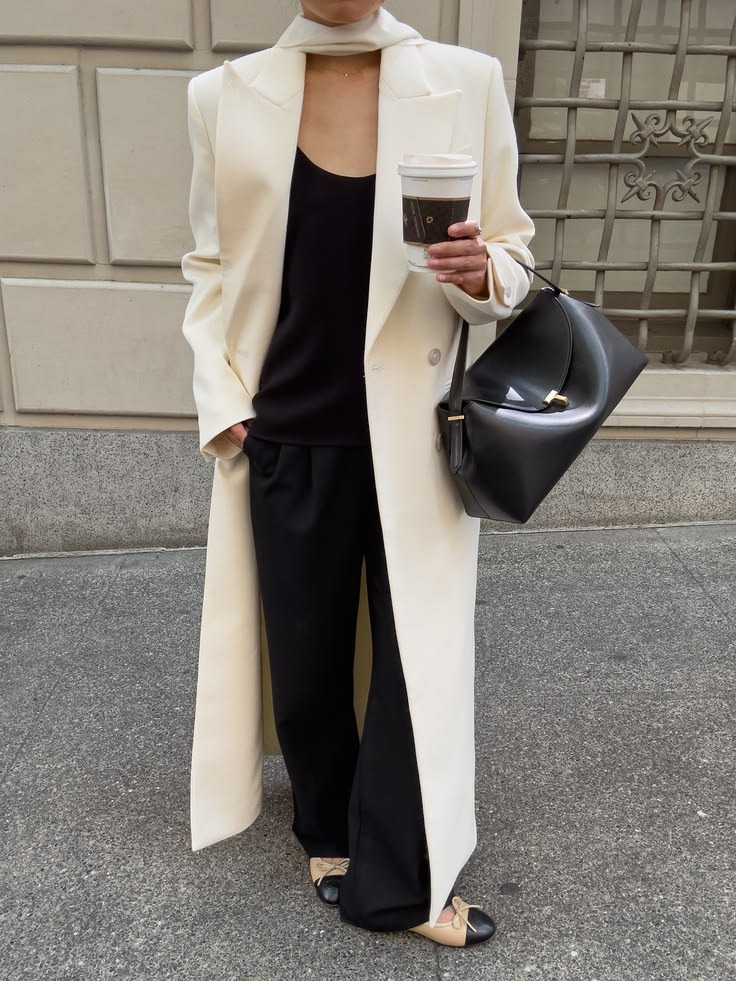
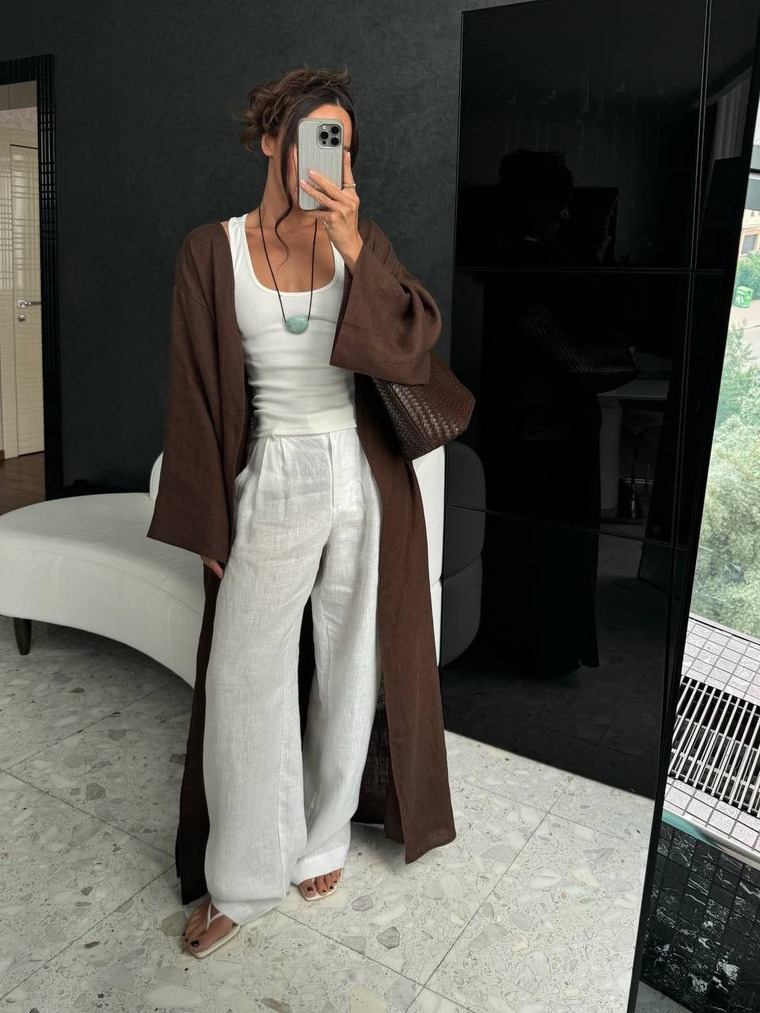
An open outer layer
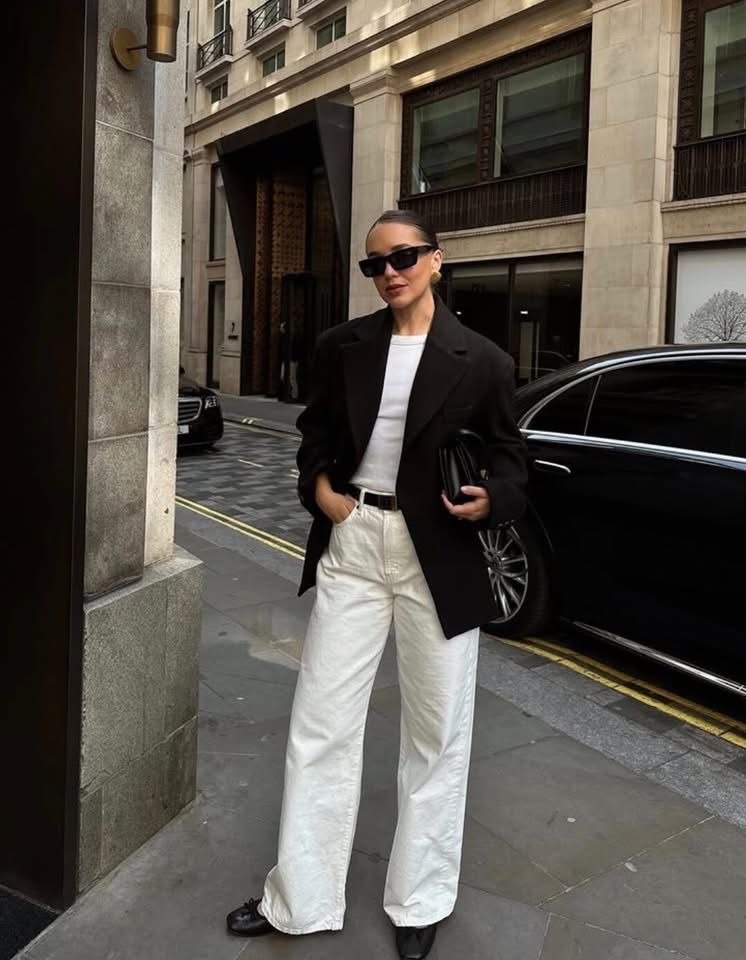
A jacket, a coat, a cardigan or even a shirt worn open creates two vertical lines down the centre of the figure. The eye travels along them and the silhouette reads narrower. The effect is strongest when the first layer is darker than the one on top. Just watch where the outer layer ends: it should not stop at the widest point of the hip, or it will visually widen the hips.
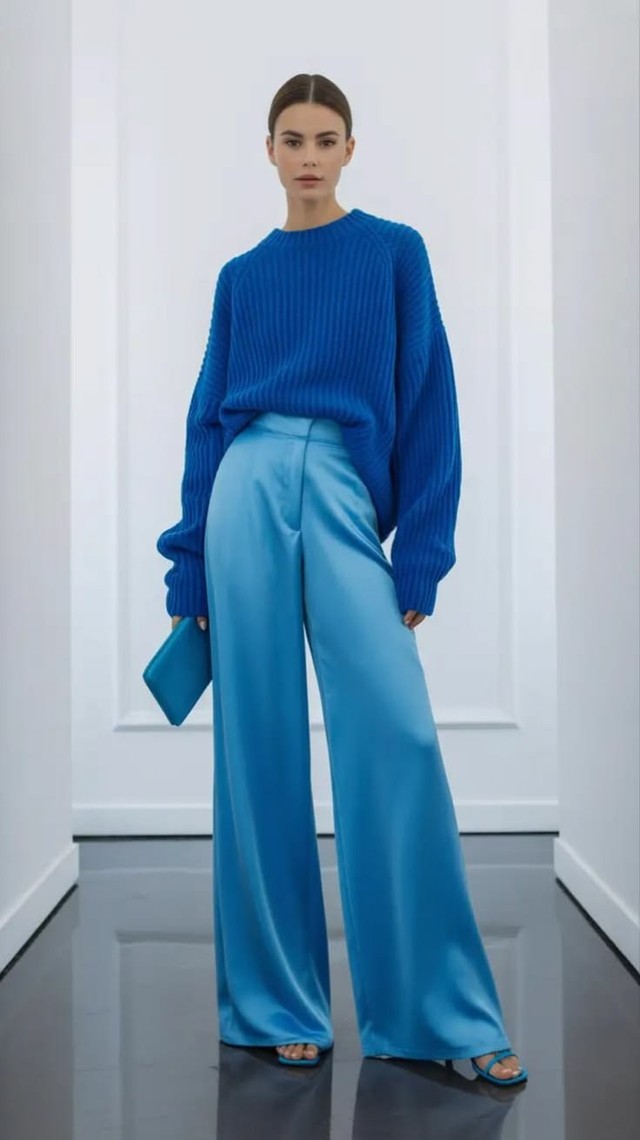
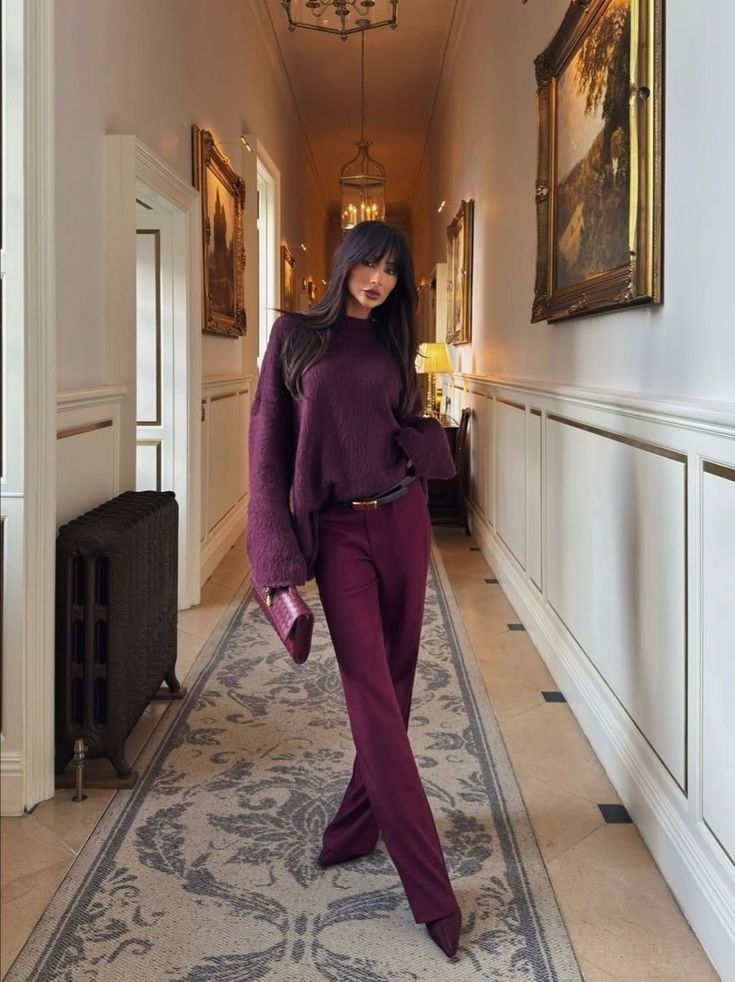
A vertical of colour
A vertical of one color, or of shades close to one another, visually lengthens the silhouette. That is why a monochrome look makes the figure look both slimmer and taller. Shoes and tights to match carry that vertical all the way to the floor.
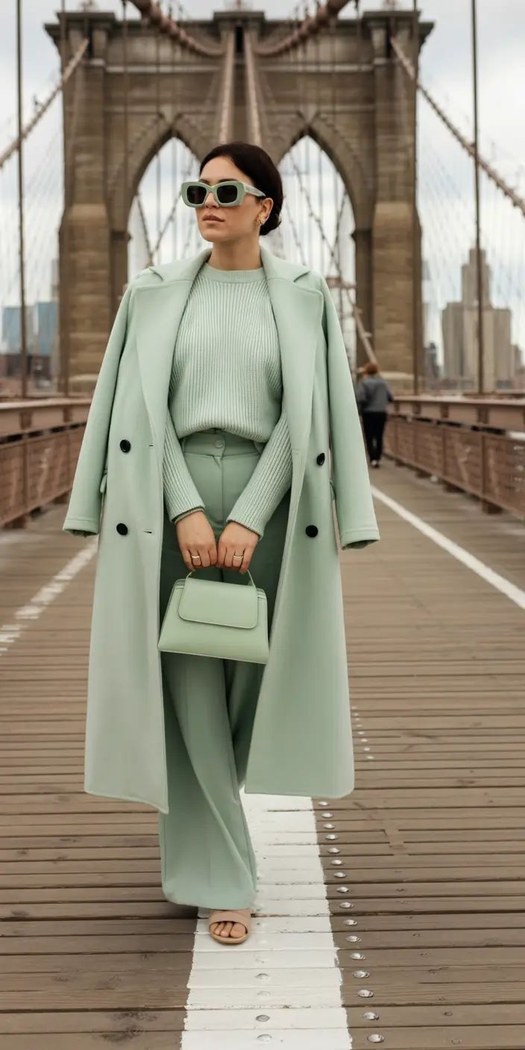
Showing the slimmest points
The eye judges a figure by its narrowest points: the neck, the ankles and the wrists. Open any one of them and the silhouette immediately reads lighter. The neck is handled by a V-neck or an undone top button, the ankles by a cropped trouser length, the wrists by a sleeve rolled to the elbow. A light bracelet on a bared wrist works well too: next to a fine detail the hand looks more delicate.
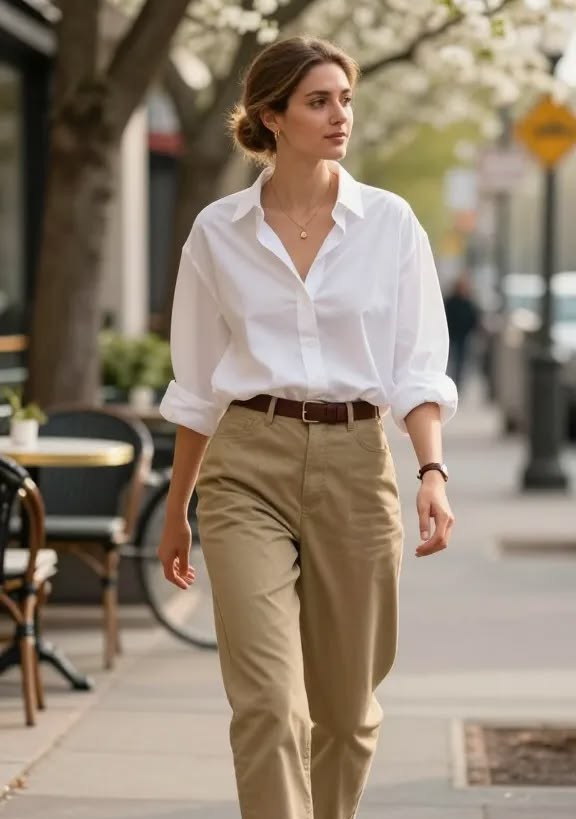
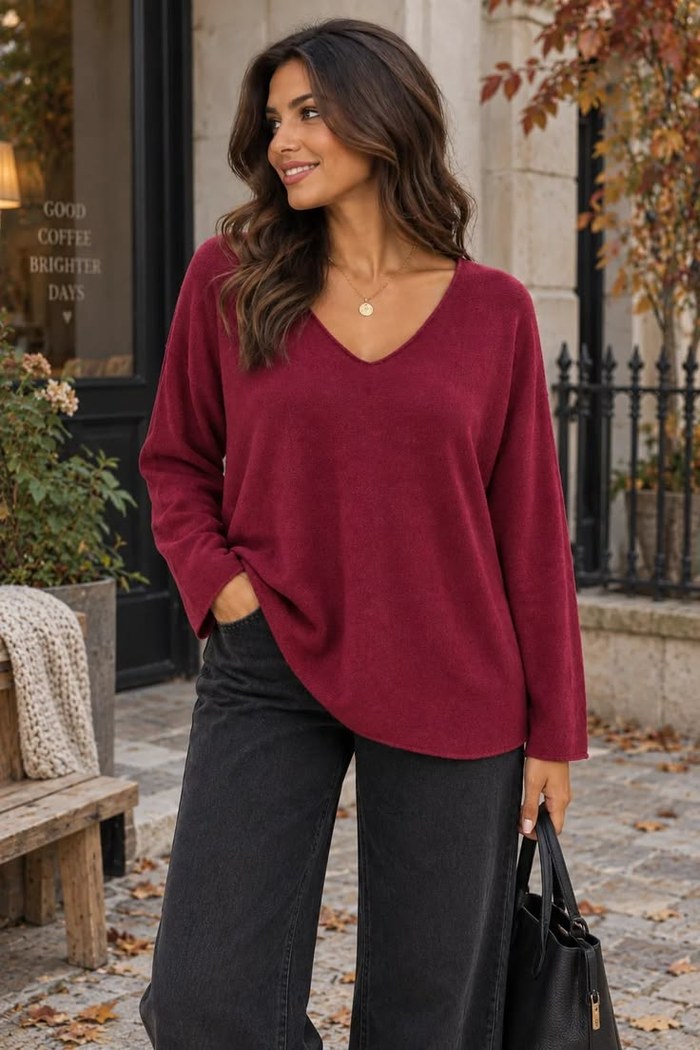
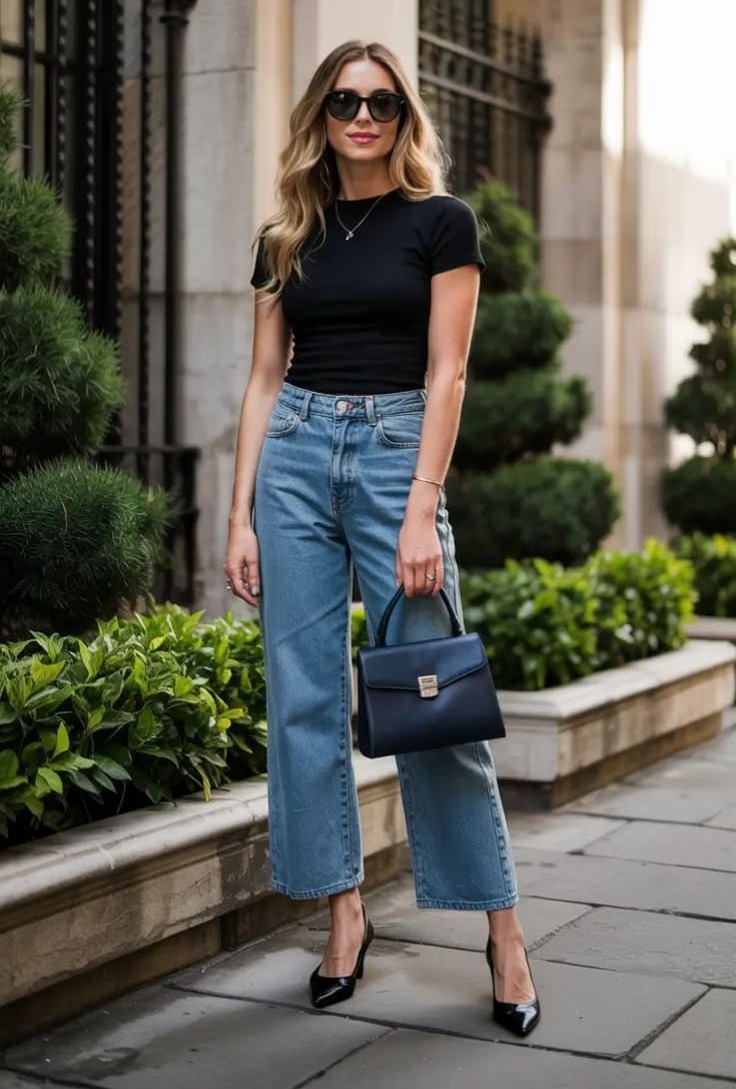
Sleeve length
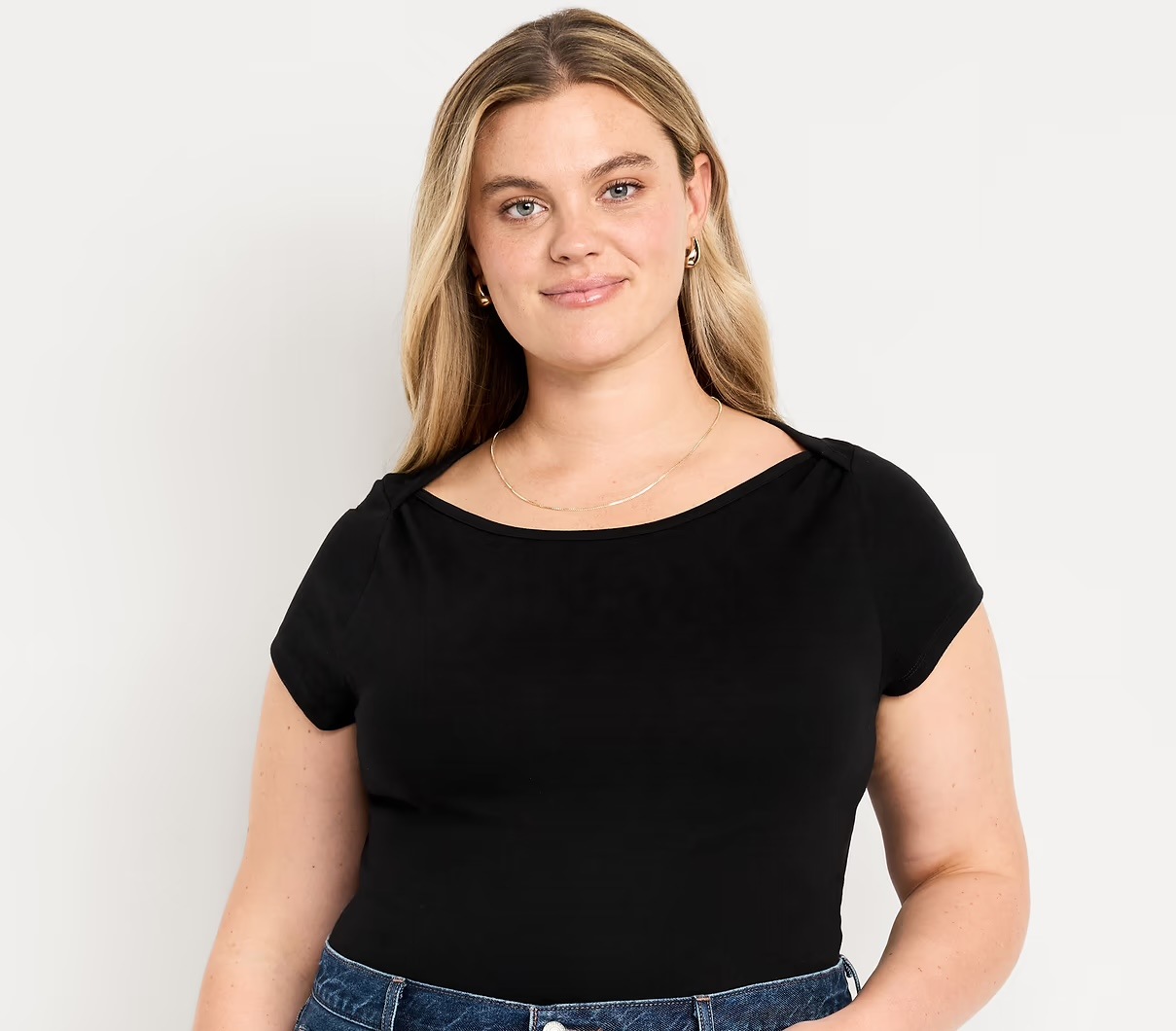
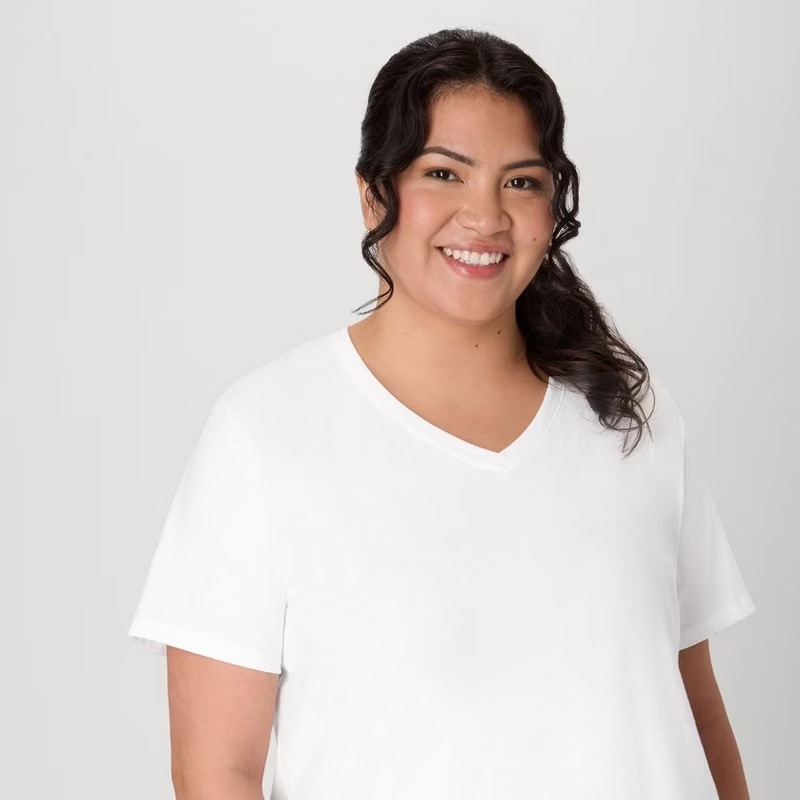
The hem of a sleeve is a horizontal line, and any horizontal visually widens. So if we want the arms to look slimmer, the sleeve should not end on the widest part of the arm, but a little below it.
Fabric weight
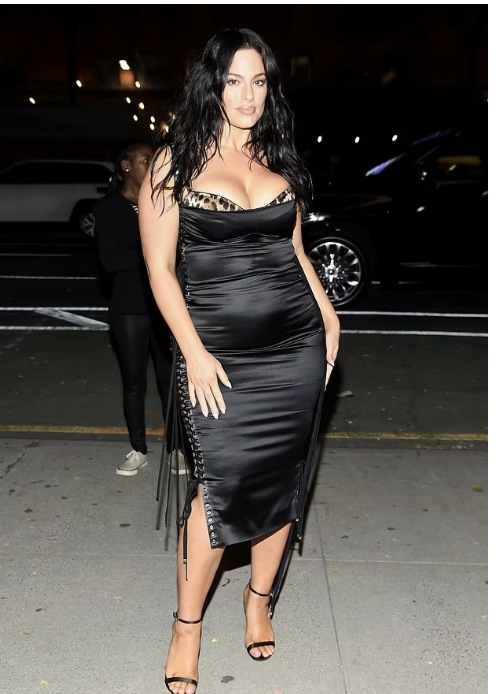
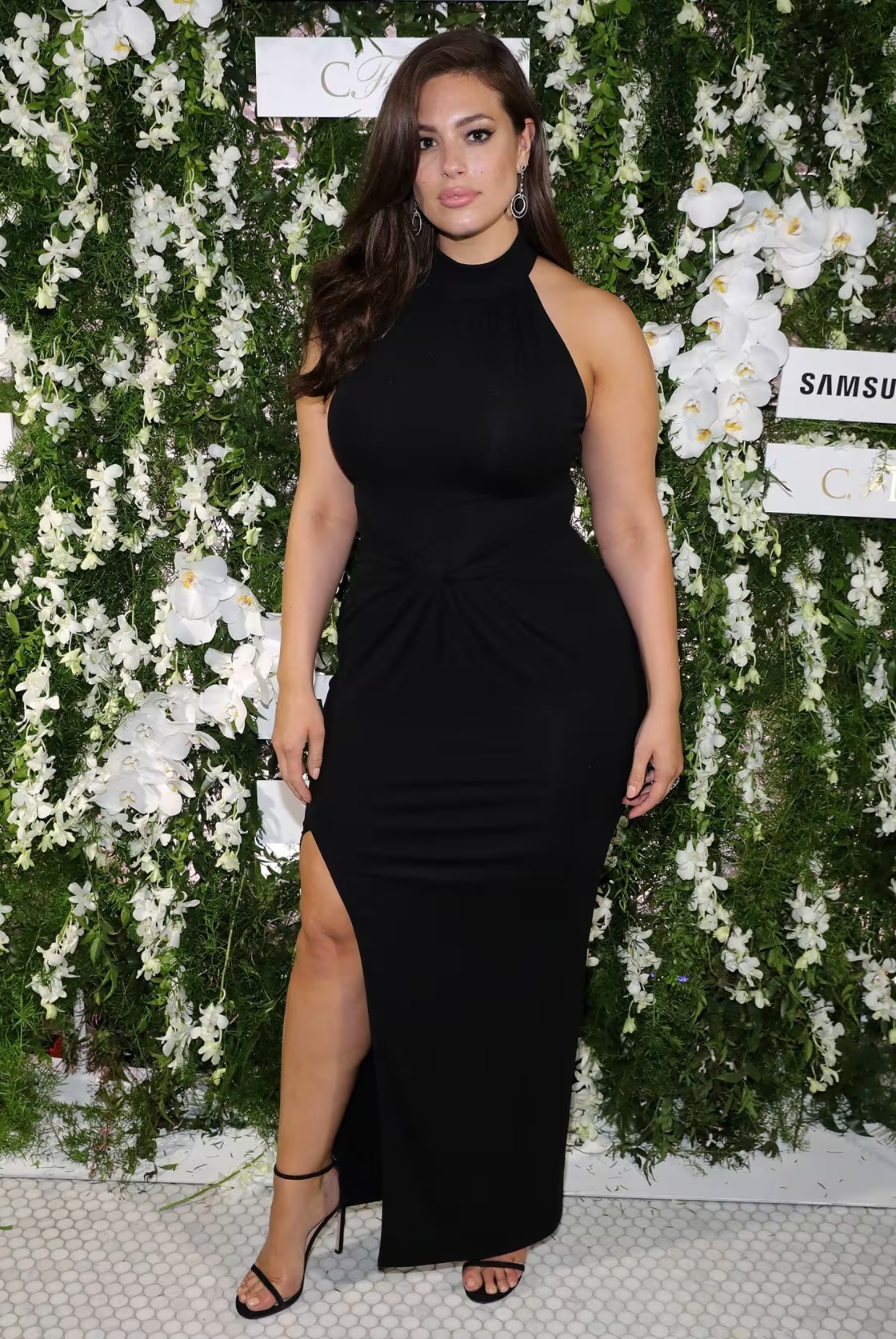
A firm, structured fabric holds its own shape and gathers the figure: the volumes stay under the cloth instead of showing through it. A thin, unstructured one settles onto the body and outlines everything beneath. Look at sheen separately: glossy fabrics emphasize and add extra volume, while matte ones conceal it.
How to balance the bust
A V-neck shows the neck and the bust and slims the upper body beautifully: it lengthens and narrows it. Small round high necklines and turtlenecks do the opposite, they accentuate and weigh down the upper body. Leave some room around the neckline.
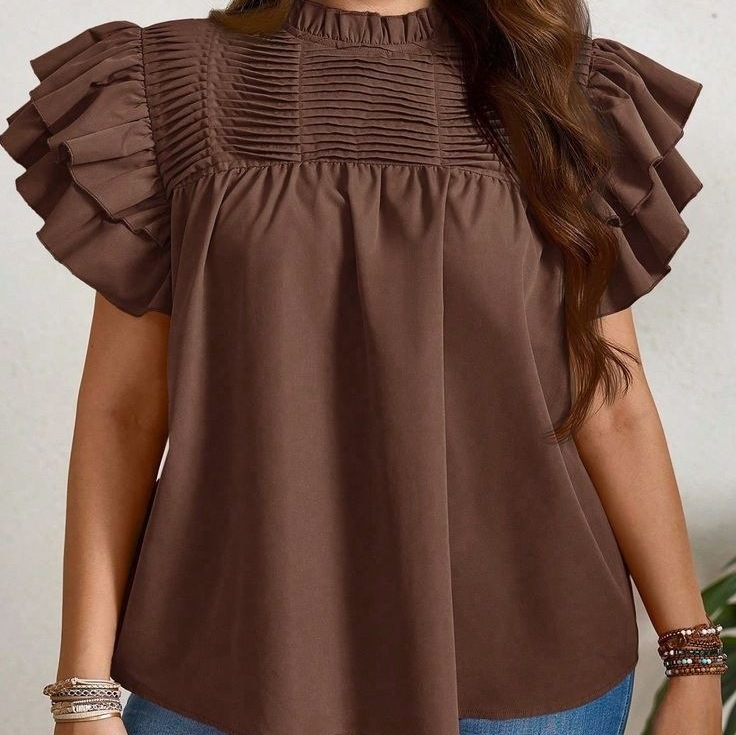
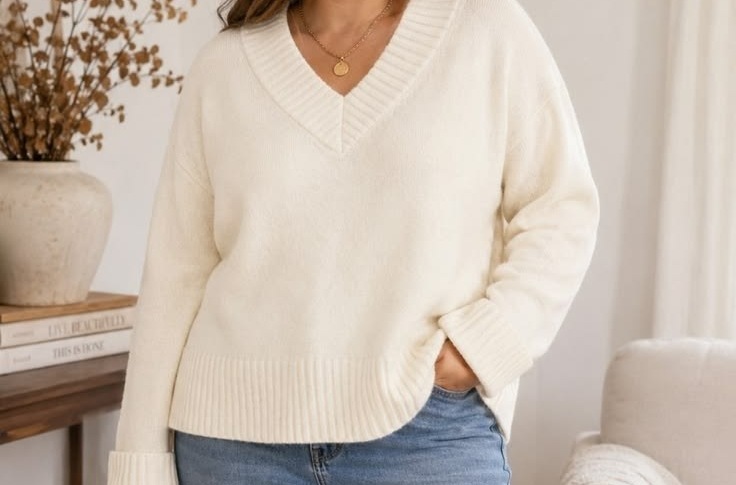
Skirt length
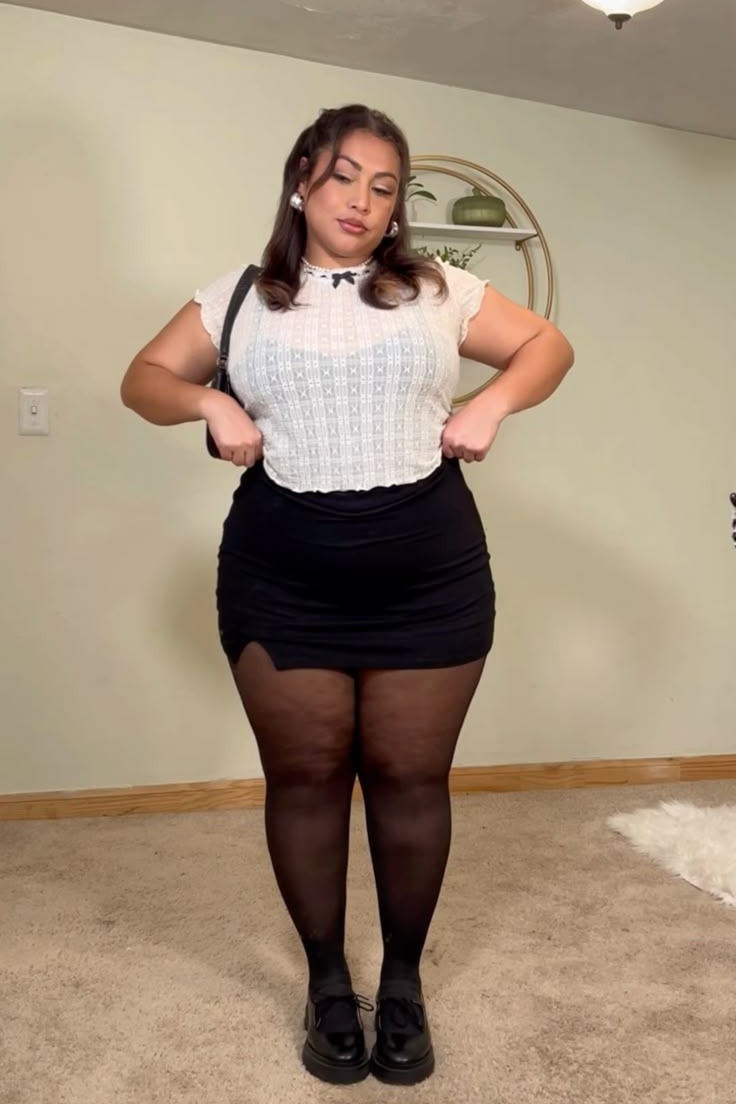
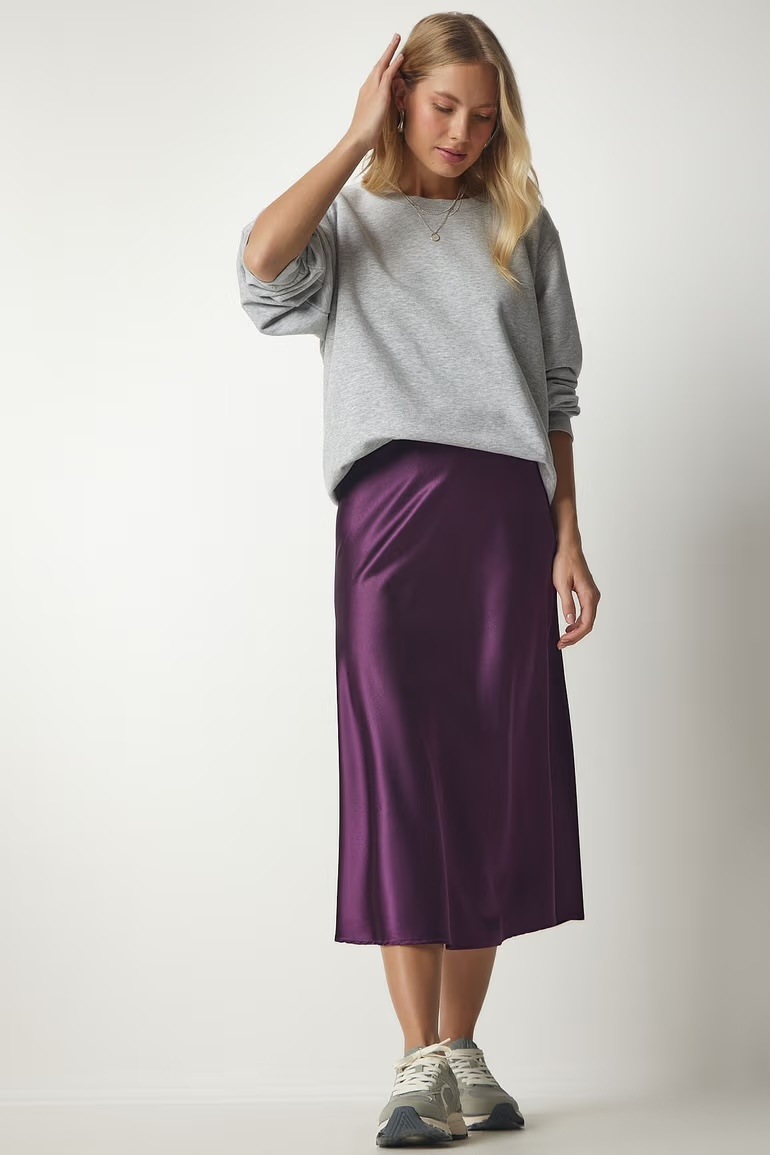
Skirt length can add a couple of kilos or, the other way round, make the silhouette lighter, and the difference between the two is a couple of centimetres. In the photo on the left the skirt ends at the widest part of the calf, creating a horizontal and making the figure look shorter and wider. The version on the right, where the skirt ends at the narrowest part of the leg, the ankle, shows our proportions to better advantage.
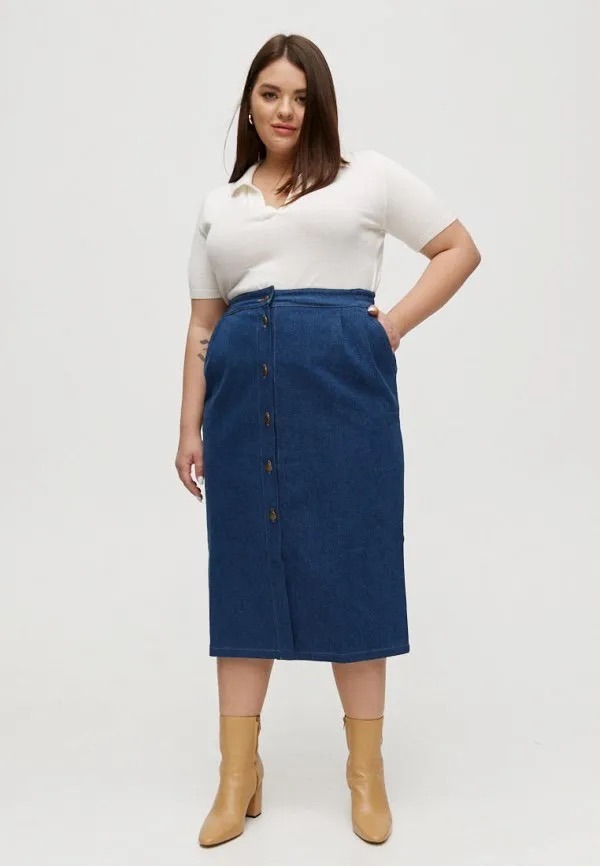
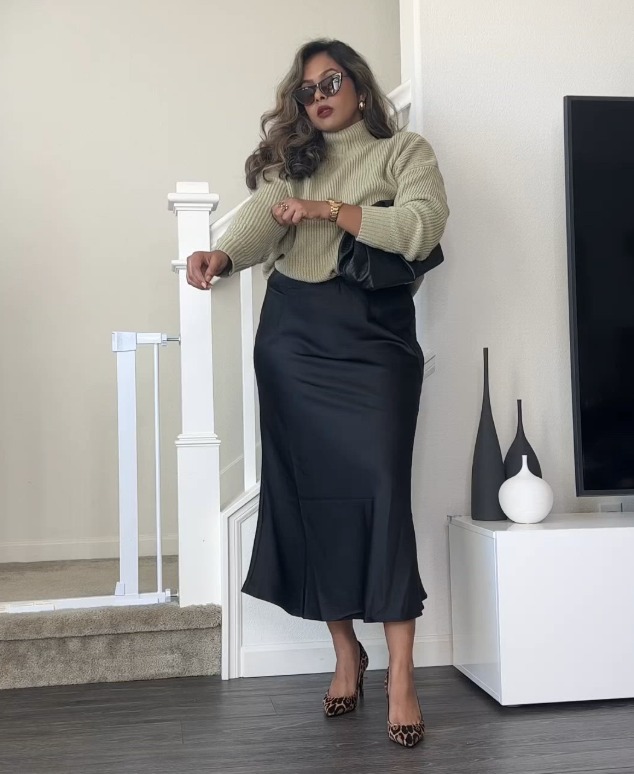
Skirt lengths that visually widen the legs: mid-knee, mid-thigh and mid-calf. Better to choose skirts and dresses that end just below the widest zones, so the silhouette looks more harmonious.
How to look visually taller
A high rise and a tucked top
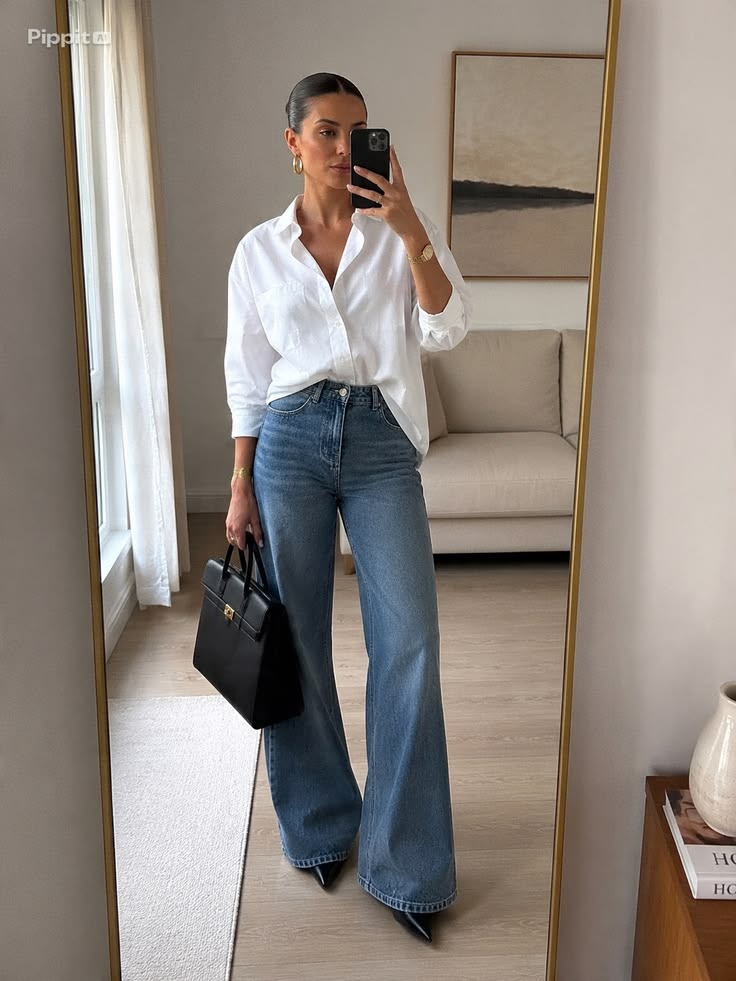
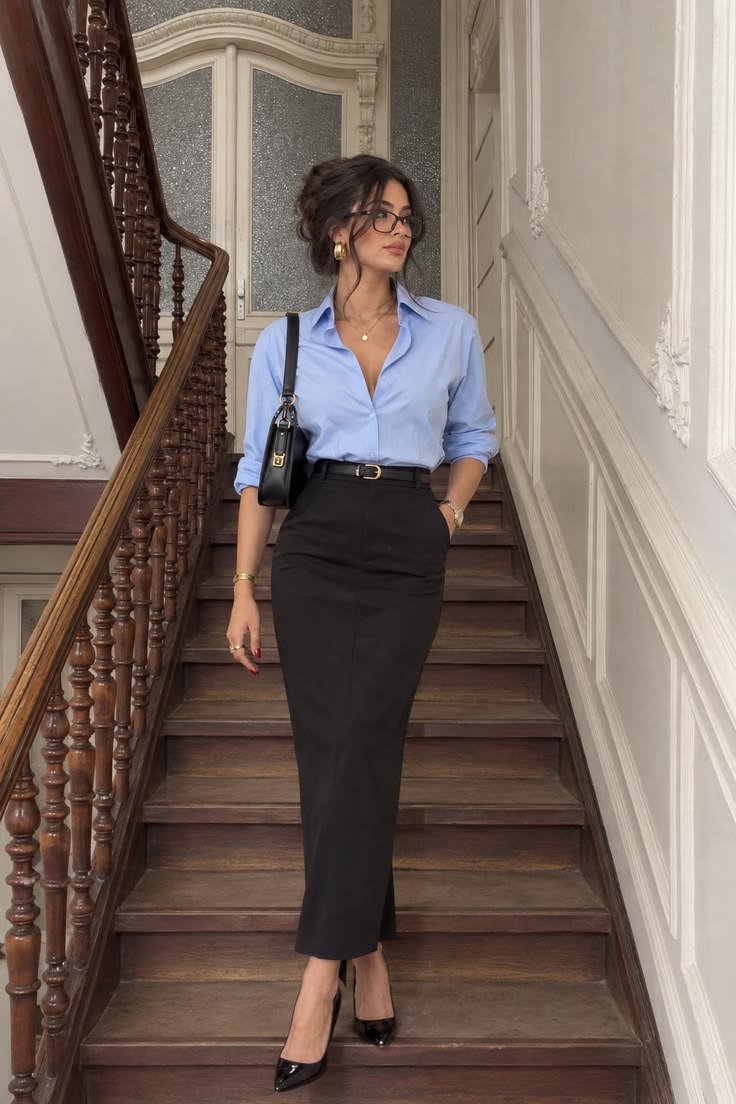
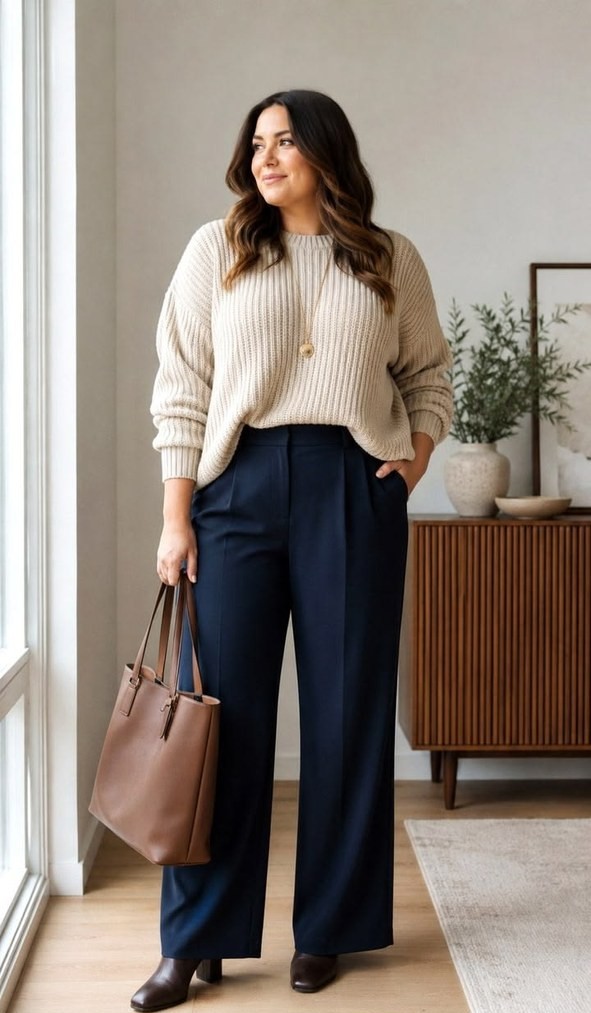
For the eye, the legs begin where the top ends. A high rise and a tucked-in or cropped top raise that line, and the legs look longer. A low rise and a long top do the opposite.
Shoes matching the bottom
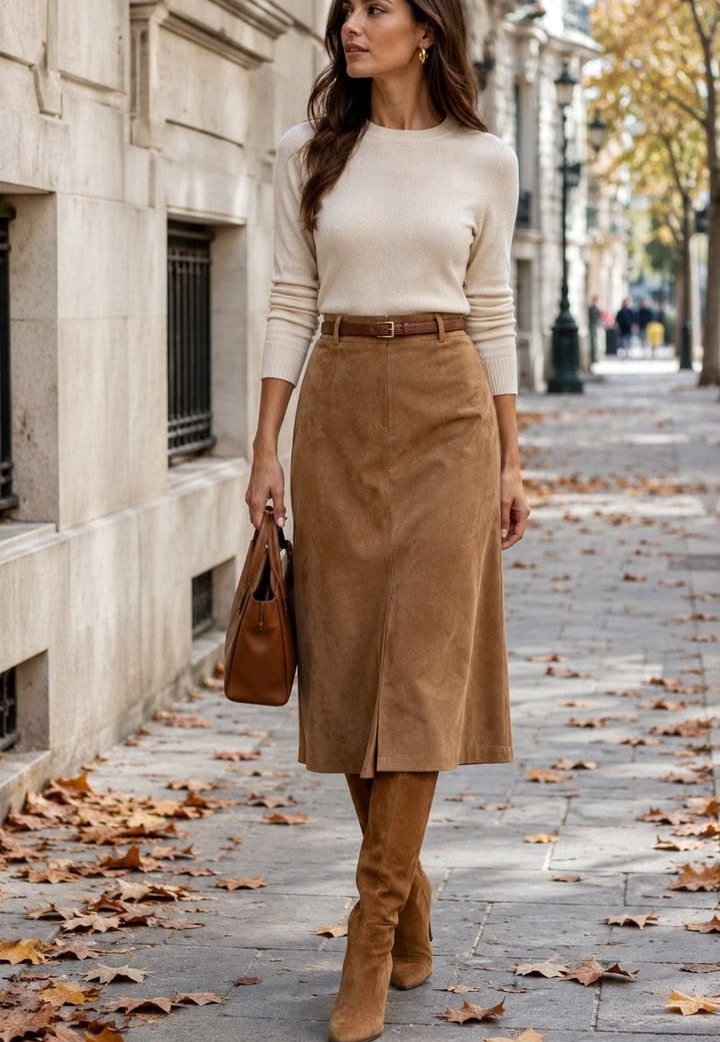
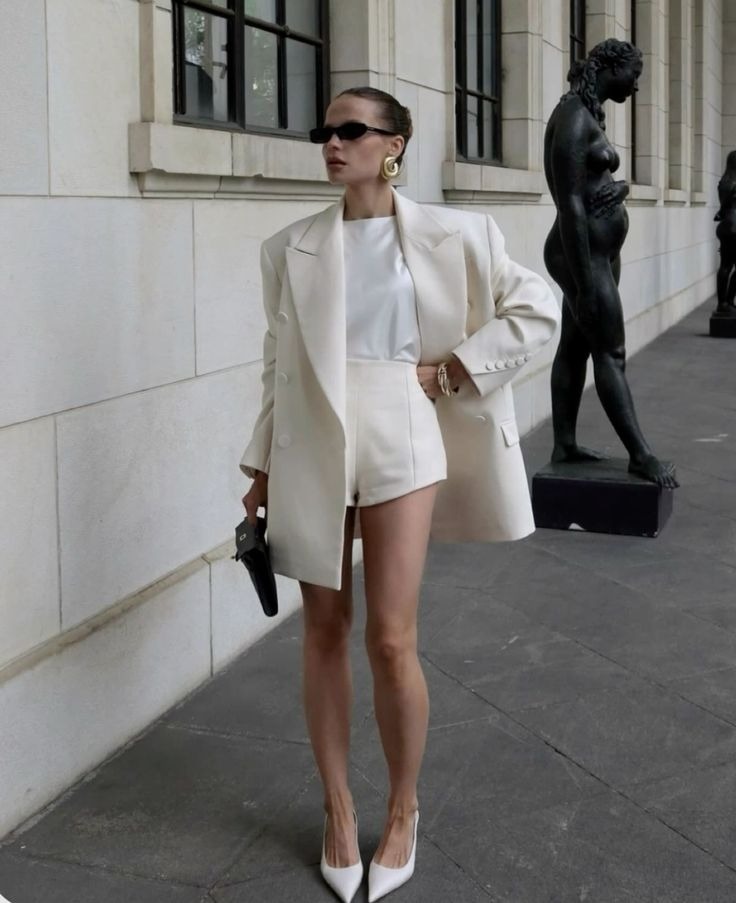
Contrasting shoes form a horizontal line and visually shorten the legs. Shoes close in color to the skirt, the trousers or the tights do the opposite: they carry the vertical all the way to the floor. A slightly elongated toe adds a couple more centimetres, and long trousers that cover the heel make the legs look endless.
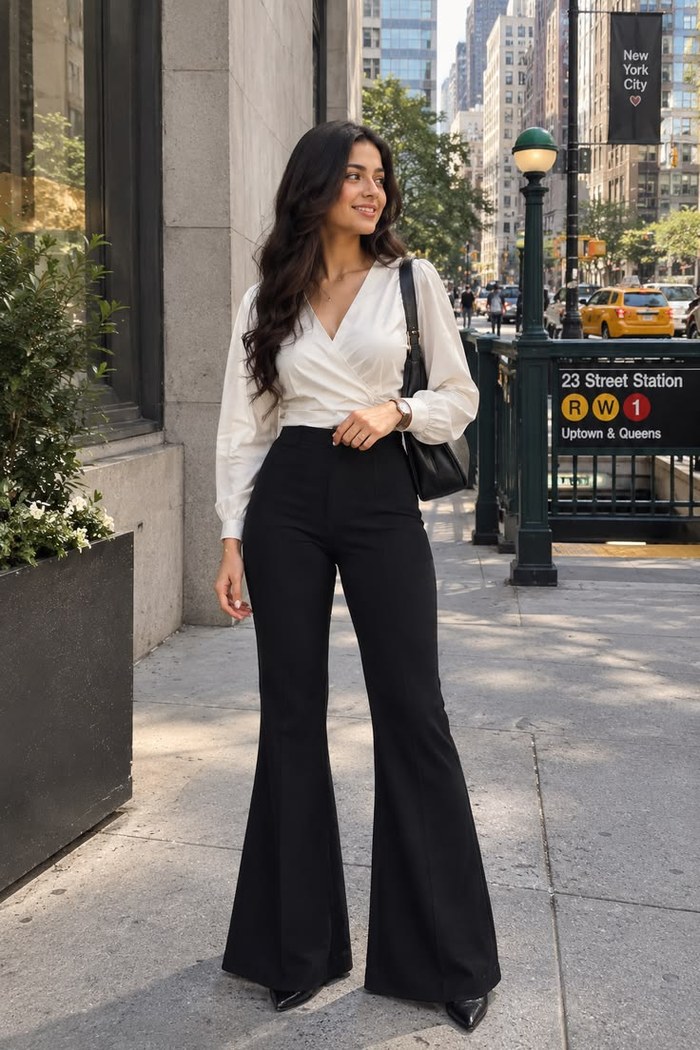
A vertical built into the garment
A vertical line carries the eye from top to bottom without letting it stop, so the figure reads longer and narrower. It is not only about stripes: a vertical row of buttons and pressed creases on trousers do the same. What matters is that the vertical stays single and runs as far as it can without a break.
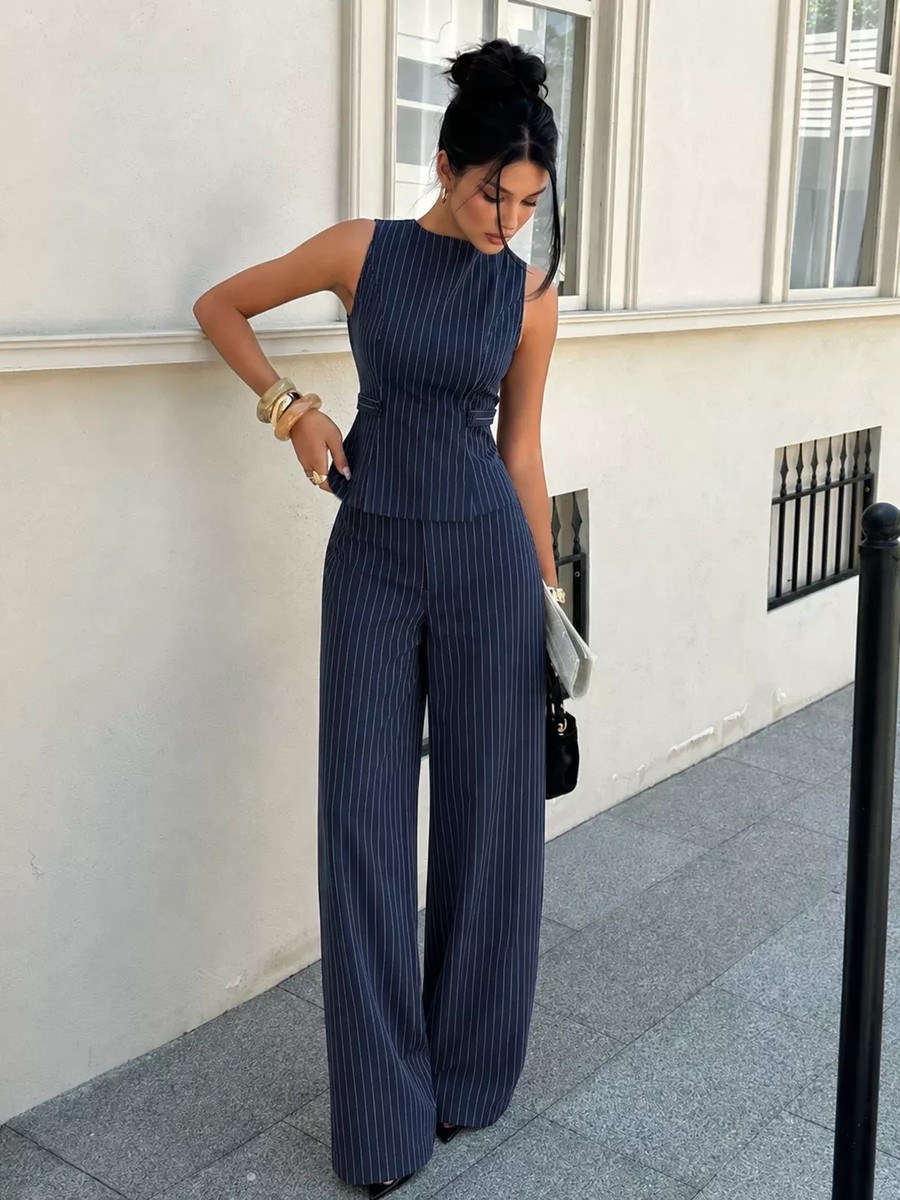
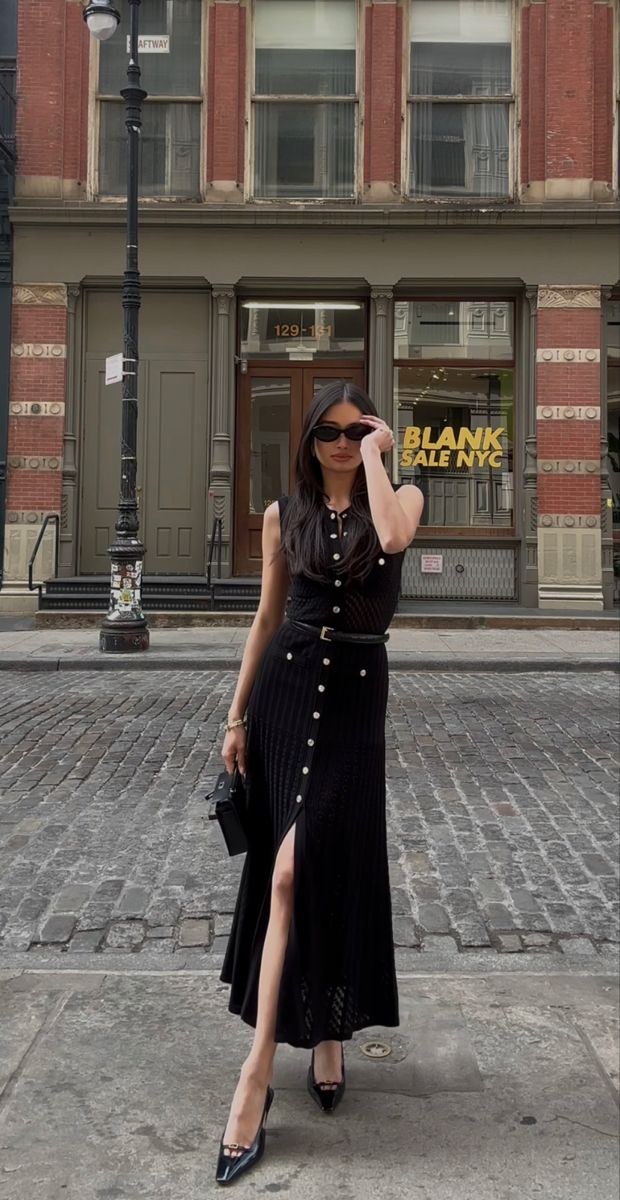
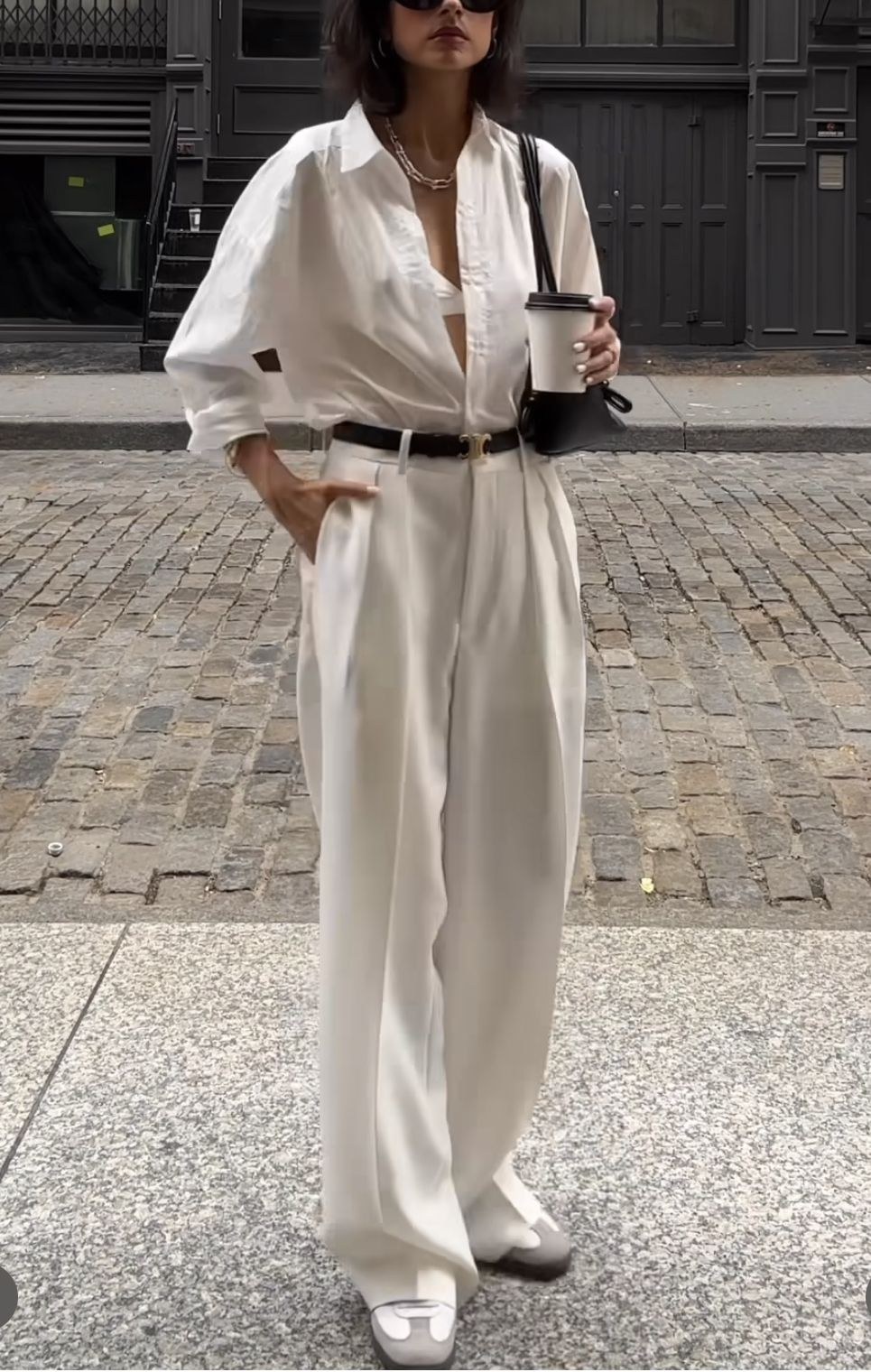
Leg to torso ratio
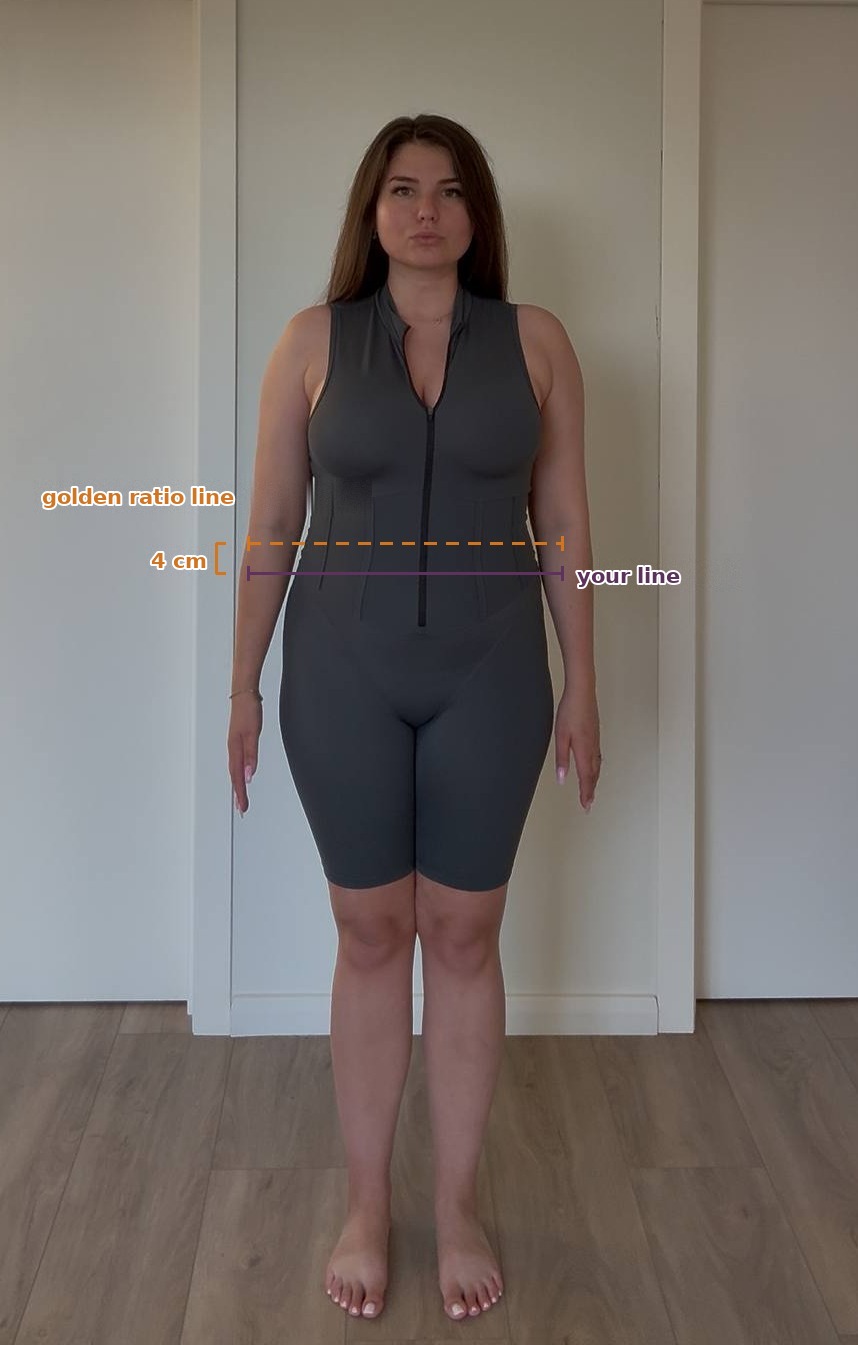
Your torso is a touch longer than the legs, but the difference is not critical at all and I would not set out to correct it. And if you do want to even the proportions out a little, here are three simple options.
- A high rise. Mid rise works too; a low rise shortens the leg the most.
- Tuck the top in, or at least mark the waist with a belt. Where the top ends, the eye begins the legs.
- Jackets and cardigans cropped.
A raised waistline
Where the top ends is where the legs begin for the eye. The higher the waistline, the longer the legs look and the shorter the torso. So take a high rise instead of a low or mid one, and mark the waistline itself with a belt or a tucked-in top.
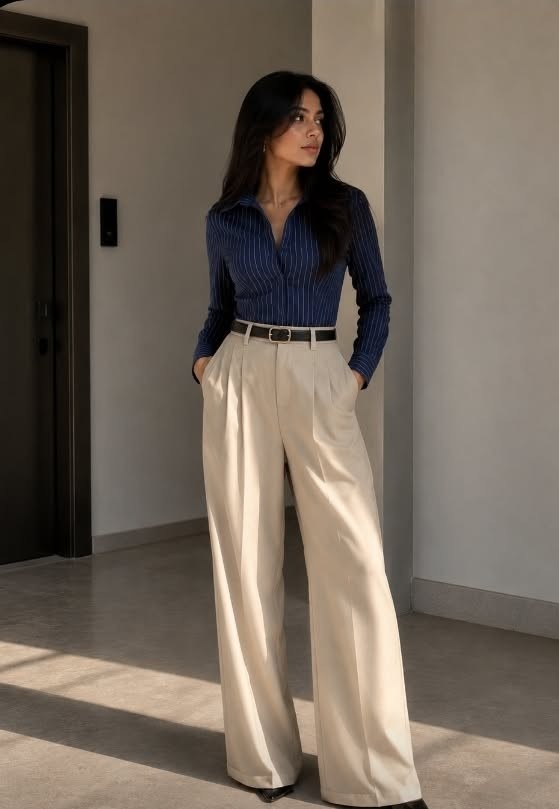
A short top
A cropped top, jacket or cardigan also shortens the torso. A long top with no waist marked does the opposite: the legs immediately look shorter.
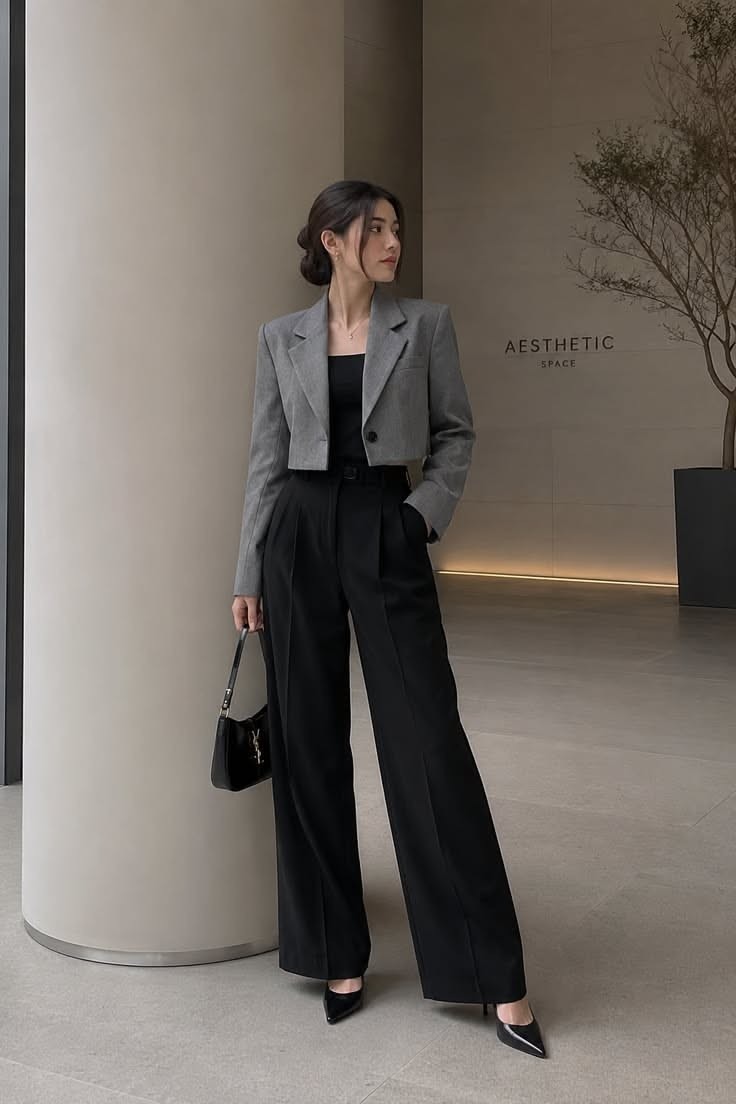
A belt
Belts emphasize the silhouette of your body and make your proportions more balanced.